English
  Español
  عربى
عربى 

Industry News
Content
- 1 Material Composition and Manufacturing Process
- 2 Visual Appearance and Light Interaction
- 3 Performance Comparison: Cutting, Printing, and Handling
- 4 Project Suitability: When to Choose Which
- 5 Frequently Asked Questions
- 5.0.1 Q1: Which material is better for intricate die-cutting?
- 5.0.2 Q2: Can I print on holographic cardstock with my home inkjet printer?
- 5.0.3 Q3: Does glitter cardstock shed and make a mess?
- 5.0.4 Q4: Which material is more durable over time?
- 5.0.5 Q5: Can I use holographic cardstock in my Cricut or Silhouette machine?
- 5.0.6 Q6: Is there a significant price difference between the two?
- 5.0.7 Q7: Which material is better for photography backdrops or props?
- 5.0.8 Q8: Can I use liquid glue on holographic cardstock?
When you stand in the specialty paper aisle or scroll through crafting supply pages, two finishes consistently catch the eye: holographic cardstock and glitter cardstock. Both deliver shimmer, both elevate projects, and both promise a level of visual impact that plain cardstock cannot match. Yet they are fundamentally different materials, engineered through distinct processes, with unique performance characteristics that matter immensely once you take them to your cutting machine, printer, or adhesive station.
Choosing between holographic cardstock and glitter cardstock is not merely a matter of aesthetics. It affects your die-cutting success, your printer's health, the longevity of your finished project, and even the tactile experience of the final piece. This guide breaks down the technical and practical differences so you can select the right material for your specific application.
Material Composition and Manufacturing Process
How Holographic Cardstock Is Made
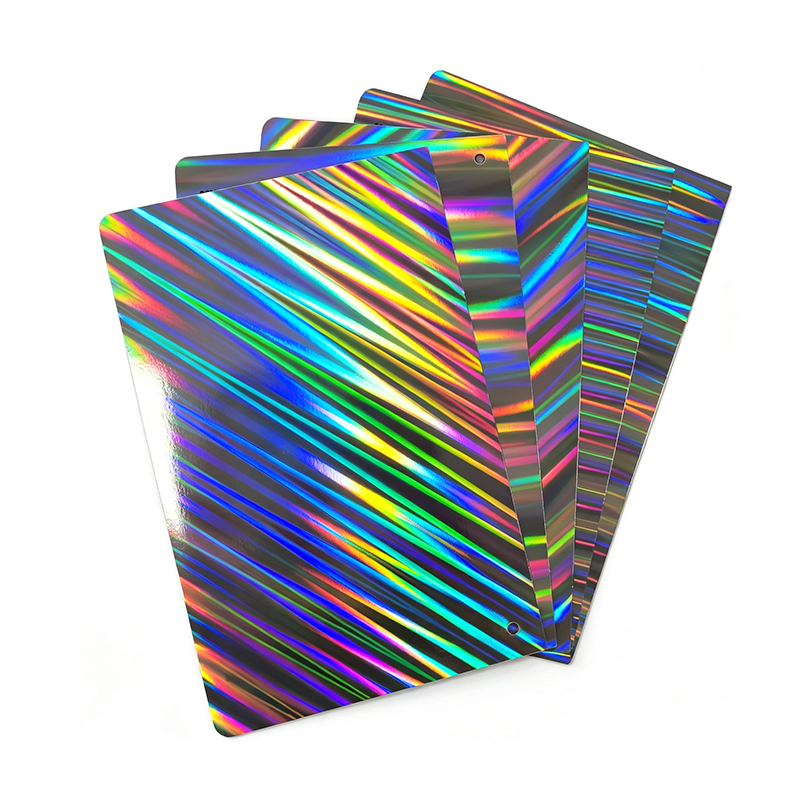
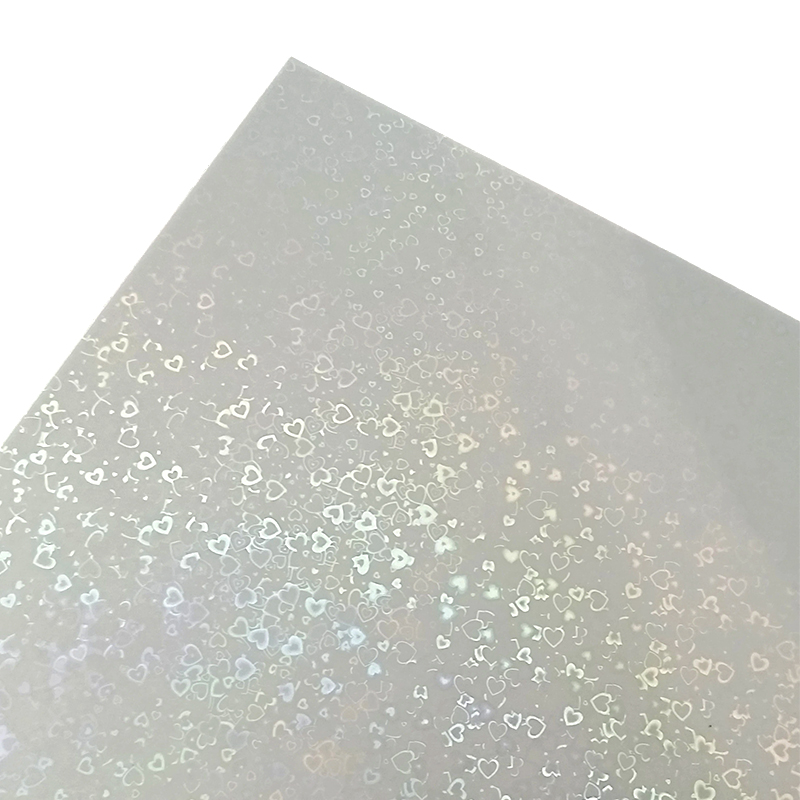
Holographic cardstock starts with a smooth paper base, typically weighing between 110 lb and 300 gsm, though lighter variants exist for specific uses. The signature rainbow effect is not printed onto the surface. Instead, manufacturers apply a thin layer of reflective metal or plastic film—often aluminium-based—onto the paper. This film is then embossed with a microscopic pattern of grooves and valleys. When light hits these tiny ridges, it diffracts and splits into the full visible spectrum, producing the characteristic colour-shifting effect.
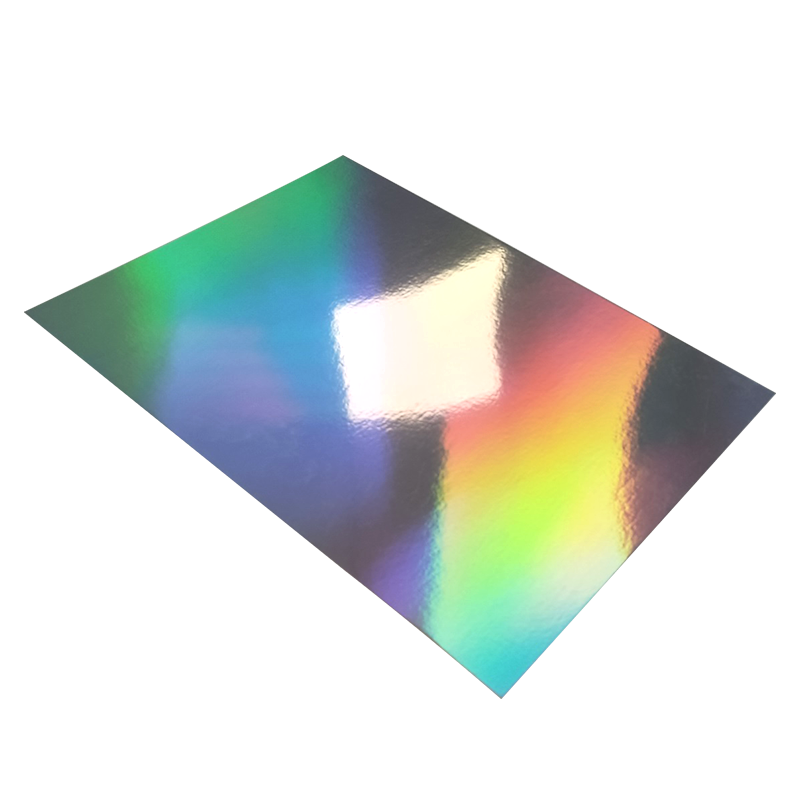
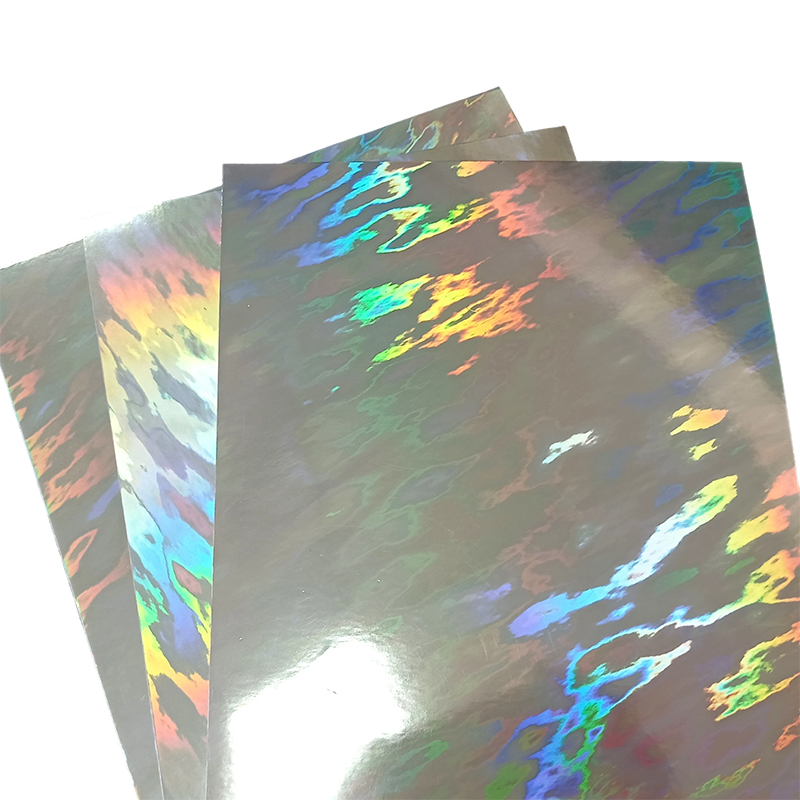
The result is a smooth, mirror-like surface that changes colour based on the viewing angle and light source. The holographic effect is integral to the material itself, not a surface coating that can wear away. This structural difference is critical: the effect will not flake, rub off, or diminish with normal handling.
How Glitter Cardstock Is Made
Glitter cardstock takes a fundamentally different approach. The base cardstock is coated with an adhesive layer, and then fine glitter particles—typically made from polyester, PET, or metalised film—are applied to the surface. In higher-quality products, the glitter is sealed with a clear coating to reduce shedding. In other cases, the glitter is bonded directly into the surface during manufacturing, creating a textured, sparkly finish.
Glitter cardstock comes in two primary constructions:
- Single-sided glitter cardstock: Glitter coating on one side, with a plain paper back. This is the most common type for general crafting.
- Double-sided glitter cardstock: Glitter on both sides, often used for projects where both faces are visible, such as hanging decorations or tags.
Weight for glitter cardstock ranges from 250 gsm for robust projects up to 110 lb cover stock. Some brands market "shed-free" or "no-shed" glitter cardstock, where the glitter is sealed in place more effectively, though no product is entirely immune to shedding under heavy abrasion.
Visual Appearance and Light Interaction
The most obvious difference lies in how each material interacts with light. This is not just about personal preference—it affects how your project reads in different lighting conditions and from different viewing angles.
Holographic Cardstock: Colour-Shifting, Mirror-Like Shine
Holographic cardstock projects a smooth, metallic sheen that shifts through multiple colours as the viewing angle changes. Under direct light, it can display a full spectrum from pink to gold to blue to green in a single sheet. The surface is mirror-like, with a liquid, flowing quality. This makes it particularly effective for:
- Backgrounds for die-cut sentiments where the colour shift adds depth
- Layering under vellum or translucent elements
- Projects that need a futuristic, ethereal, or high-end feel
Glitter Cardstock: Sparkle and Texture
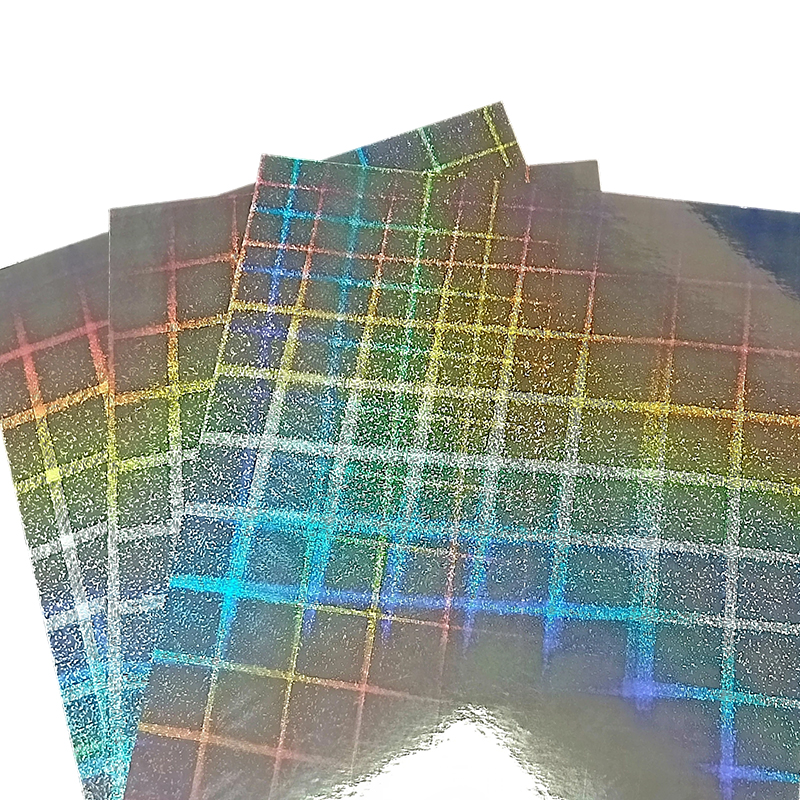
Glitter cardstock delivers a more traditional sparkle effect. Instead of a smooth, colour-shifting surface, it features thousands of tiny reflective particles that catch light individually. The result is a scattered, multi-directional glint rather than a unified mirror finish. Glitter cardstock does not change colour with the viewing angle; it simply sparkles from fixed hues, such as silver, gold, or any custom colour.
This texture gives glitter cardstock a more pronounced tactile presence. It feels rough or sandy to the touch (unless heavily sealed), which can be desirable or problematic depending on the application.
Practical observation: Holographic cardstock photographs beautifully because the colour shift adds dynamic interest. Glitter cardstock photographs well but tends to read as "sparkly" rather than "colourful" unless the glitter is particularly vibrant. For social media posts or product photography, holographic finishes often outperform standard glitter.
Performance Comparison: Cutting, Printing, and Handling
This is where the difference between the two materials becomes operationally significant. Your machine settings, blade wear, and final assembly will vary considerably depending on which material you choose.
Die-Cutting and Machine Performance
Both materials can be cut using manual or electronic die-cutting machines, but the experience differs markedly.
Holographic cardstock cuts cleanly because its surface is smooth. There is no abrasive coating to dull blades. It behaves similarly to metallic cardstock, requiring standard cutting settings with perhaps a slight adjustment for the reflective coating. For Cricut machines, users typically select the "Metallic Cardstock" or a custom setting with moderate pressure. Blades last significantly longer when cutting holographic materials compared to glitter counterparts.
Glitter cardstock is notorious for dulling blades rapidly. The abrasive glitter particles act like fine sandpaper against the blade edge. For intricate dies or detailed Cricut cuts, this is a critical consideration. Many crafters report needing to change blades more frequently after cutting glitter cardstock. Some recommend using a deep-point blade or a dedicated blade solely for glitter materials. Cutting settings often require higher pressure, and even then, intricate designs may not cut through completely due to the density of the glitter coating.
Printing: Inkjet vs. Laser
Printing on holographic cardstock is challenging. Most holographic cardstock is not designed for home printer use. The smooth, non-porous surface repels ink. Inkjet printers are prone to smearing, and the ink may not dry properly, leading to smudged results. Laser printers can work, but the heat can warp or dull the holographic finish.
Glitter cardstock is equally problematic for printing. The textured surface prevents even ink adhesion, and the glitter particles can interfere with print heads. For both materials, printing is generally not recommended unless the product is specifically marketed as "printable."
For any application requiring text or detailed images, consider alternative methods:
- Use a separate printed layer on plain cardstock and adhere it to the holographic or glitter base
- Apply vinyl lettering on top of the material
- Use heat transfer foil for customisation
Handling and Fingerprints
Holographic cardstock is highly susceptible to fingerprints. The smooth, mirror-like surface shows every mark. Handling requires care—use gloves or handle by the edges. Glitter cardstock hides fingerprints well due to its textured surface, making it more forgiving during assembly.
Adhesive Performance
Both materials present adhesion challenges, but for different reasons. Holographic cardstock's smooth surface requires a strong adhesive. Some glues and tapes struggle to bond effectively, and liquid glues may warp the paper. Double-sided tape or strong liquid adhesives like Ranger Multi-Medium are recommended.
Glitter cardstock's textured surface can also reject adhesive, but the primary issue is the glitter layer itself. If the glitter is not sealed, the adhesive may bond to the glitter particles rather than the paper, creating a weak hold that can fail over time. A strong, permanent adhesive is essential. Some crafters lightly sand the back of glitter cardstock to improve adhesive grip.
| Characteristic | Holographic Cardstock | Glitter Cardstock |
| Surface texture | Smooth, mirror-like | Rough, sandy, or textured |
| Light effect | Colour-shifting, rainbow diffraction | Fixed-colour sparkle |
| Blade wear | Minimal | High, abrasive |
| Printer compatibility | Poor (ink smears; heat may warp) | Poor (texture prevents adhesion) |
| Fingerprint resistance | Low; shows marks easily | High; hides marks well |
| Shedding | None | Possible; varies by quality |
| Typical weight range | 110 lb – 300 gsm | 250 gsm – 110 lb cover |
Project Suitability: When to Choose Which
The choice between these two materials should be guided by your specific project requirements. Here is a practical breakdown.
Scrapbooking and Card Making
For card making, holographic cardstock is often used as a background layer or for die-cut elements that need to stand out. Its smooth surface allows for precise cuts, making it suitable for intricate die designs. Glitter cardstock is also popular for card making, particularly for sentiments, shaped elements, or as the base layer for celebratory themes. However, the blade wear issue means that for high-volume card production, holographic options may be more cost-effective in the long run.
In scrapbooking, both materials add visual interest. Holographic cardstock is excellent for photo mats, borders, or embellishments where colour shift adds depth. Glitter cardstock works well for themed pages—birthday, holiday, or celebrations—where the sparkle supports the narrative.
3D Projects and Party Decorations
For 3D projects such as gift boxes, paper lanterns, or cake toppers, the material's structural integrity matters. Glitter cardstock, often available at 250 gsm, holds its shape well, making it suitable for structural elements. Holographic cardstock can also be used for 3D projects but may require additional reinforcement if the weight is lower.
A critical factor for edible-adjacent projects like cake toppers: glitter cardstock is often sealed to prevent shedding, making it safer around food. Holographic cardstock is generally smooth and does not shed, which is equally suitable.
Wedding and Event Stationery
Holographic cardstock is increasingly used for contemporary wedding invitations, place cards, and signage. Its sophisticated, high-end appearance complements modern wedding aesthetics. Glitter cardstock is more traditional, often used for bridal shower invitations, birthday party décor, or festive signage.
Commercial and Retail Displays
For point-of-sale displays, promotional signage, or gift packaging, the decision often hinges on durability. Glitter cardstock can be more durable in high-traffic environments because its textured surface hides scuffs and wear. Holographic cardstock, while visually stunning, is more prone to visible scratches and fingerprints, which may be a liability in retail settings.
Frequently Asked Questions
Q1: Which material is better for intricate die-cutting?
Holographic cardstock is better for intricate die-cutting because its smooth surface allows for clean, precise cuts without rapidly dulling your blades. Glitter cardstock's abrasive texture can cause fraying on intricate patterns and will significantly reduce blade lifespan.
Q2: Can I print on holographic cardstock with my home inkjet printer?
Printing on holographic cardstock is generally not recommended. The smooth, non-porous surface prevents ink from drying, leading to smearing. Laser printers may work but the heat can damage the holographic finish. For best results, print on plain cardstock and adhere it to the holographic layer.
Q3: Does glitter cardstock shed and make a mess?
This depends on the quality of the glitter cardstock. High-quality "shed-free" or "no-shed" glitter cardstock is sealed to prevent glitter from coming off. Lower-quality products may shed significantly, especially when cut or folded. Always test your material before committing to a large project.
Q4: Which material is more durable over time?
Holographic cardstock is generally more durable because the effect is integral to the material. Glitter cardstock can lose its sparkle over time if the sealing coating wears away, and the glitter may rub off with handling. For projects that require longevity, holographic cardstock is the superior choice.
Q5: Can I use holographic cardstock in my Cricut or Silhouette machine?
Yes. Select the "Metallic Cardstock" or similar setting, or use the custom setting with moderate pressure. Because the surface is smooth, the material cuts cleanly without excessive blade wear. Always test a small cut first.
Q6: Is there a significant price difference between the two?
Both materials are premium products and are priced higher than standard cardstock. Holographic cardstock tends to be more expensive due to the complex manufacturing process. Glitter cardstock is generally more affordable, especially in bulk. However, factor in blade replacement costs when calculating the total cost of using glitter cardstock.
Q7: Which material is better for photography backdrops or props?
Holographic cardstock is often preferred for photography because its colour-shifting properties add visual interest and depth to images. Glitter cardstock can create unwanted reflections and may appear less sophisticated on camera. Holographic materials photograph particularly well under studio lights.
Q8: Can I use liquid glue on holographic cardstock?
Liquid glue can be used, but it may warp the paper if applied too heavily. Use a thin layer and allow it to dry completely. Tape runners or double-sided adhesive sheets often provide better results without the risk of warping.