English
  Español
  عربى
عربى
Home / News / Industry News / What Is Metallic Cardstock Used For? A Comprehensive Application Guide
Industry News


Content
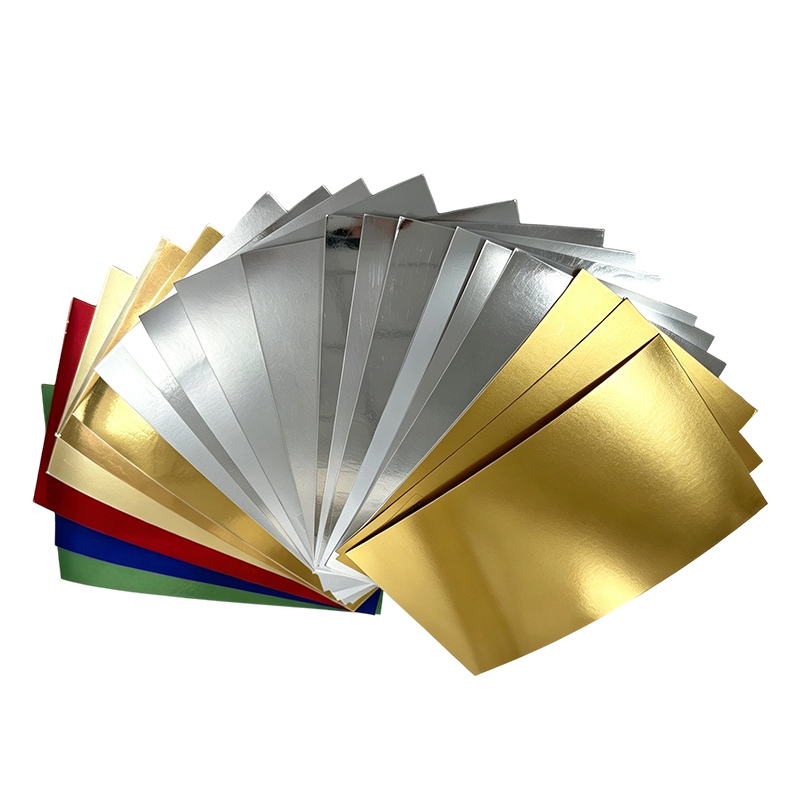
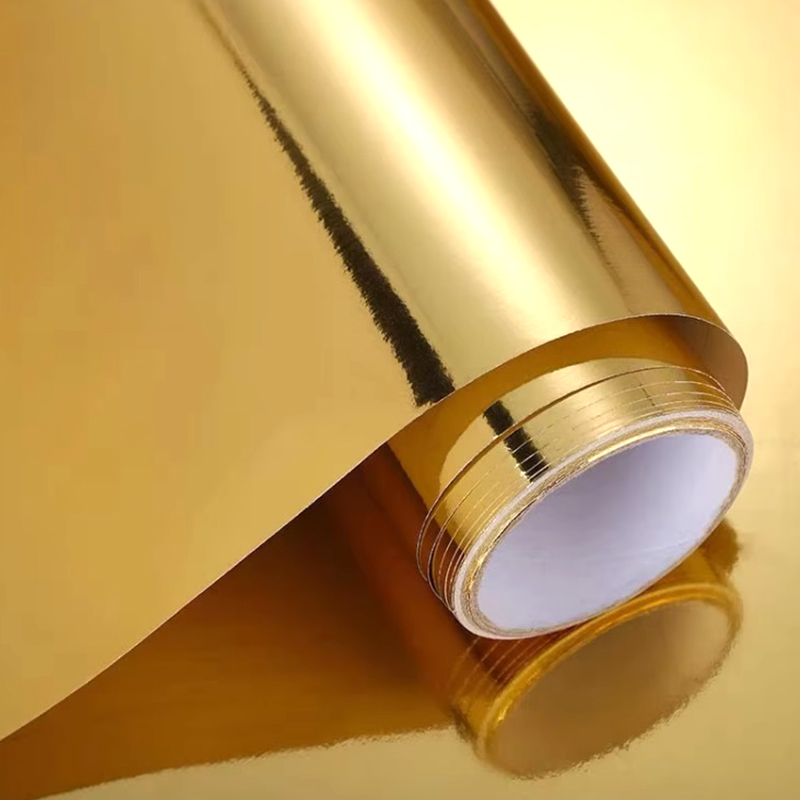
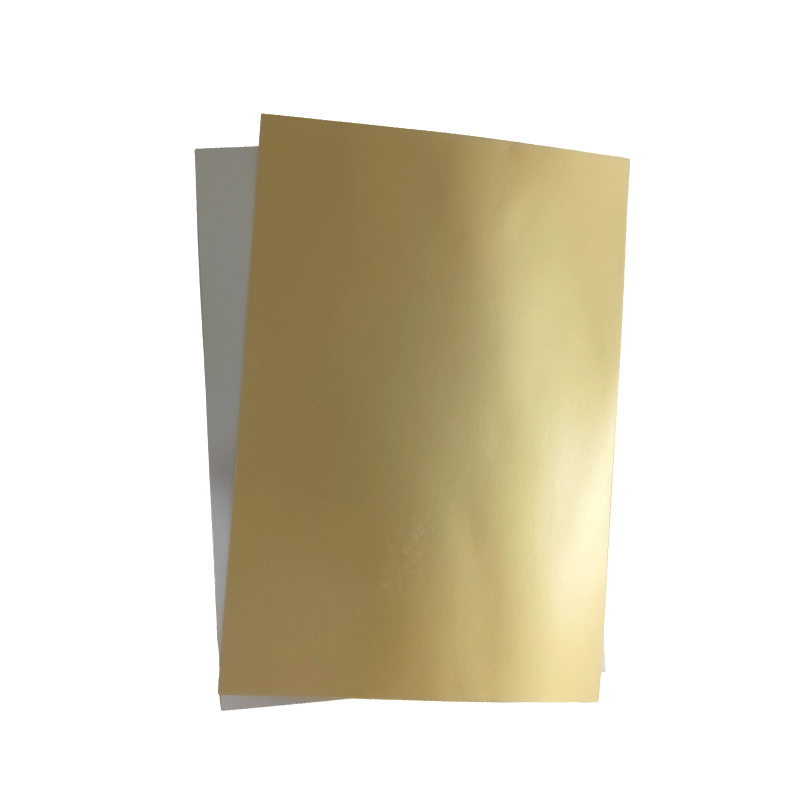
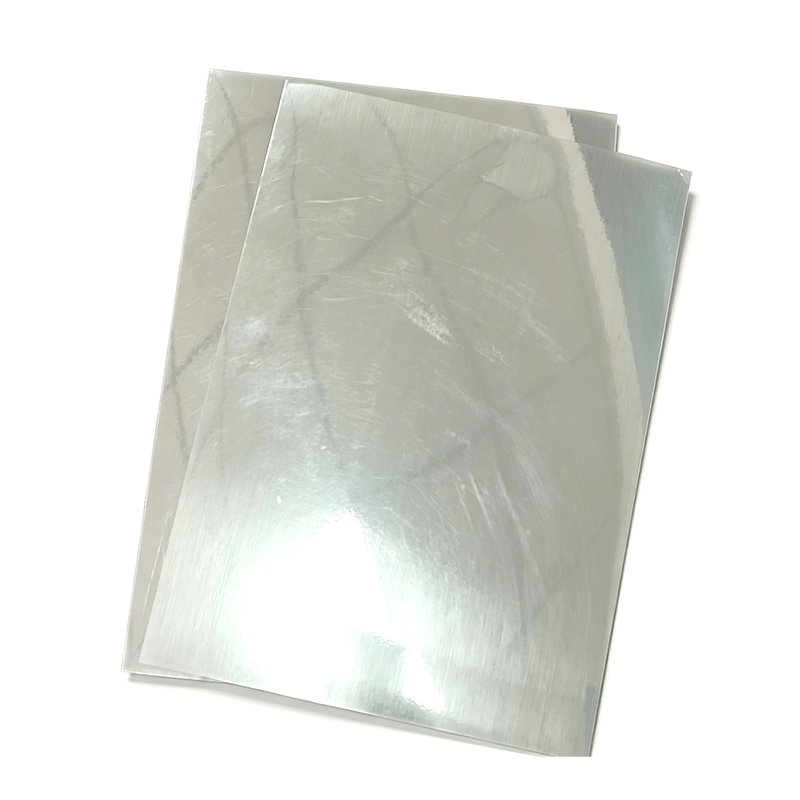
When standard paper does not convey the intended message, designers and crafters turn to materials that add dimension and visual interest. Among these specialty substrates, Metallic Cardstock stands out as a versatile medium that blends durability with a distinctive shimmer. Its unique composition—a base paper coated or laminated with a metallic pigment or film—creates a reflective surface that transforms ordinary prints into eye-catching pieces. From high-end packaging to personal stationery, the applications are wide and varied. This guide breaks down the primary uses of metallic cardstock, offering practical insights into why it is chosen for specific projects and how to work with it effectively.
One of the most common applications for metallic cardstock is in the creation of high-end invitations and stationery. The material's inherent elegance elevates the perceived value of the item, making it a favorite for milestone events.
Wedding invitations often use metallic cardstock to create a sense of occasion. The shimmering surface catches light beautifully, mimicking the effect of foil stamping without the associated tooling costs. The weight of the cardstock, typically ranging from 105 lb to 120 lb cover, provides a substantial feel that communicates importance and care. When guests hold a metallic invitation, the tactile and visual experience signals a premium event, setting expectations before the celebration even begins[citation:1][citation:2].
For personal correspondence, metallic cardstock adds a thoughtful touch. A thank you note printed on a pearl white or soft gold sheet stands out in a mailbox full of standard white envelopes. It conveys that the sender invested extra thought into the presentation. Many stationery enthusiasts appreciate that metallic cardstock accepts a variety of writing instruments, though they often prefer gel pens or fine-tip markers for best results on the smooth, coated surface[citation:6].
The packaging industry extensively uses metallic cardstock to create a premium unboxing experience. The material's strength and visual appeal make it ideal for products where presentation directly influences perceived value.
Key Insight: In retail, the unboxing experience has become a critical brand touchpoint. A study of consumer behavior indicates that nearly 70% of customers share their unboxing experiences on social media when packaging feels premium. Metallic cardstock triggers this response effectively due to its photogenic qualities.
High-end cosmetic brands frequently select metallic cardstock for folding cartons and display packaging. The reflective surface complements the sleek, modern aesthetic associated with luxury beauty products. Different finishes—such as matte metallic for a subtle glow or mirror metallic for a bold, high-shine look—allow brands to match the cardstock to their specific identity. For instance, skincare lines often favor soft-touch metallic finishes that feel luxurious without being overly flashy[citation:3].
Rigid gift boxes often use metallic cardstock for wrapping or as a decorative sleeve over a standard cardboard box. The metallic sleeve acts as an outer shell that catches the eye on the shelf. For example, a jewelry box wrapped in metallic cardstock signals value even before the contents are revealed. Similarly, belly bands—strips of metallic cardstock wrapped around a standard box—serve as an affordable way to upgrade the presentation of a product without the expense of printing the entire package in metallic[citation:3].
In the art world, metallic cardstock is prized for its ability to transform a standard print into a collectible piece. Artists and publishers use it to create limited editions that justify higher price points and attract discerning collectors.
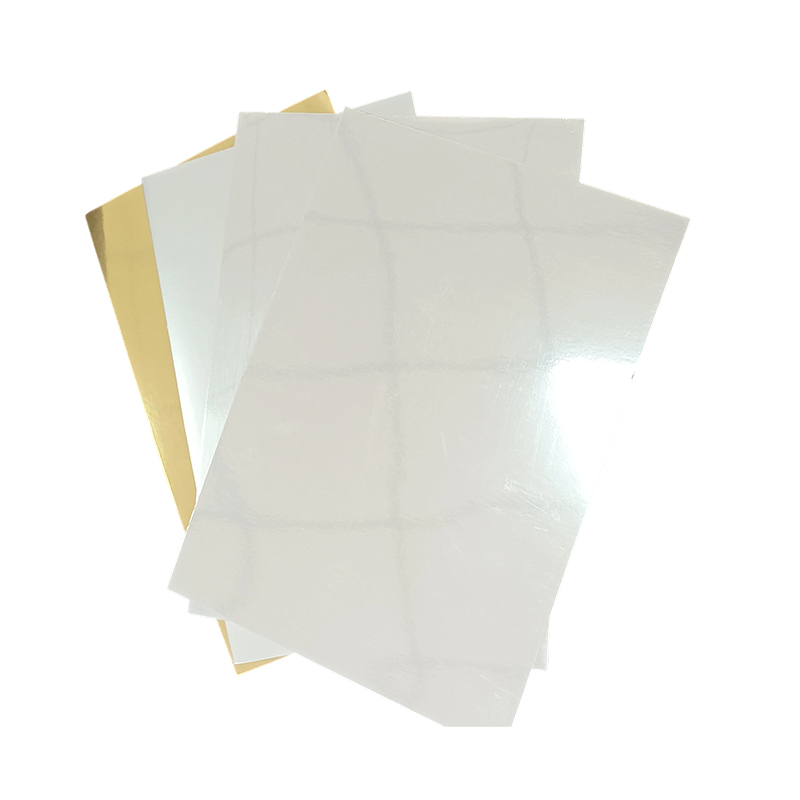
The convention circuit and online art market have seen a rise in "variant" prints—alternative versions of a standard artwork printed on specialty paper. Metallic cardstock is a top choice for these variants because it creates a distinct visual difference. A metallic gold finish, for instance, makes the whites of an artwork appear as metallic gold, introducing an intentional color shift that adds warmth. Silver pearl finishes offer a more subtle shimmer, preserving the original color palette while adding a luminous quality. This exclusivity gives collectors a tangible reason to purchase a print they might already own in standard form[citation:5].
For photographic reproductions, metallic cardstock adds an iridescent quality to the printed image. The reflective underlayer makes blacks appear deeper and highlights more vibrant. This works particularly well for landscape and abstract art, where the play of light and shadow is central to the composition. Professional photographers often select metallic cardstock for gallery-ready prints, noting that the paper itself contributes to the story of the image[citation:5].
Marketers understand that physical materials must compete for attention in a crowded space. Metallic cardstock provides a tangible differentiation factor that digital ads and standard paper cannot replicate.
| Material Type | Perceived Value | Retention Rate | Best Use Case |
|---|---|---|---|
| Standard Matte Cardstock | Standard | Low | Bulk mail, internal memos |
| Glossy Cardstock | Medium | Medium | Flyers, brochures |
| Metallic Cardstock | Premium | High | Event invites, VIP promos |
For high-profile events such as galas, product launches, or fashion shows, promotional materials printed on metallic cardstock are far less likely to be discarded. The thickness of the cardstock—often described in points rather than pounds—adds durability, so the flyer feels substantial in the hand. In a stack of standard flyers, the metallic version consistently draws the eye first, making it a strategic choice for brands that need to cut through the noise[citation:7].
A business card printed on metallic cardstock instantly communicates a modern, design-forward brand identity. The reflective surface makes logo colors appear more dynamic, and the weight of the paper prevents the card from feeling flimsy. For industries like real estate, interior design, and high-end consulting, where first impressions are critical, metallic business cards are a standard tool. The cards are often finished with spot UV on specific elements—like a logo or a name—to create further contrast between the metallic background and the glossy highlights[citation:1][citation:2].
The crafting community has enthusiastically adopted metallic cardstock for its versatility. The material cuts cleanly, holds folds well, and adds a professional finish to handmade items.
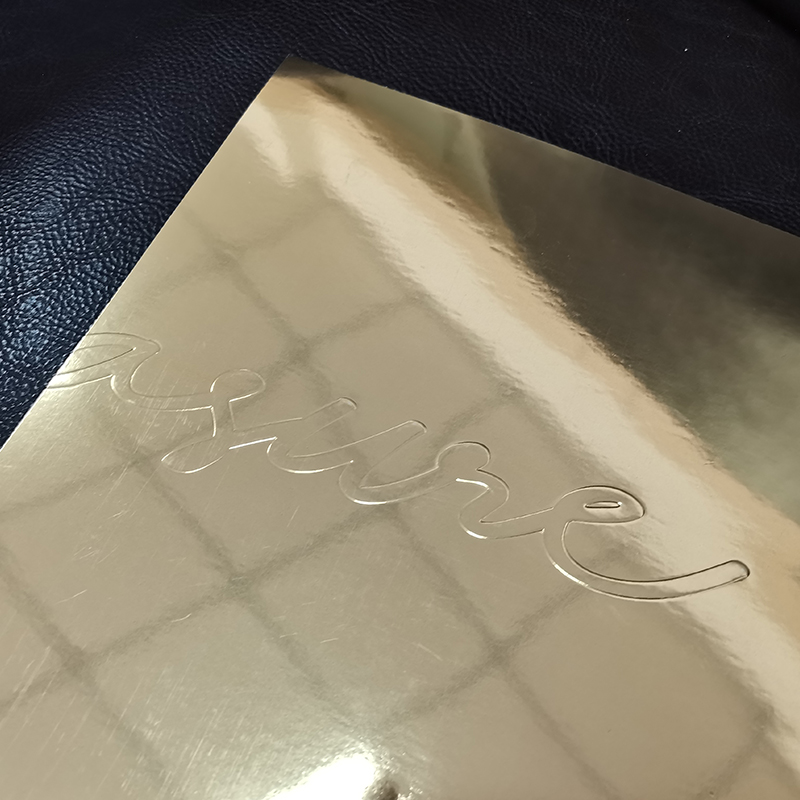
Crafters frequently use metallic cardstock with die-cutting machines like the Cricut or Big Shot. The material's density allows it to hold intricate shapes without tearing, making it ideal for delicate flowers, filigree, and custom titles. One commonly noted consideration is that the metallic surface can pick up impressions from cutting mats or plates. Experienced users often place a sacrificial piece of standard cardstock between the die and the metallic sheet to prevent unwanted marks on the mirror finish[citation:8].
In scrapbooking, metallic cardstock serves as a striking backdrop for photographs. A pearl white or soft gold sheet provides a neutral yet luminous base that makes photos pop without competing for attention. The cardstock is also used to create custom photo corners, journaling spots, and title blocks. The archival quality of most metallic cardstocks ensures that these pages will not discolor or degrade over time, preserving memories for generations[citation:6].
Beyond the realms of art and marketing, metallic cardstock has practical applications in technical fields, particularly where durability and visual clarity are required for presentation materials.
The large-format sizes of metallic cardstock, often available in 13 x 19 inch sheets, make it suitable for architectural presentations. When layered with technical drawings, the metallic base adds a professional sheen that highlights the precision of the lines. This is particularly useful for client presentations, where the quality of the materials reflects the quality of the work. The durability of the 105 lb cover stock also means the drawings can be handled repeatedly without damage[citation:1][citation:4].
Metallic cardstock is often used as backing for framed items or as a display board in retail settings. Its rigidity ensures that the board remains flat, and its reflective surface creates an attractive border that draws attention to the displayed item. For example, a jewelry display might use a metallic cardstock backing to make silver or gold pieces appear more luminous[citation:1].
Working with metallic cardstock requires adjusting standard practices to account for the material's unique properties. Understanding these technical aspects ensures the best possible results.
One of the most critical factors in printing on metallic cardstock is the color shift. Because the surface is reflective, standard CMYK inks appear differently than they would on white paper. The metallic underlayer warms or cools all colors. To achieve accurate, predictable color, professional printers often use a white ink underbase. This opaque layer covers the metallic effect in the printed area, creating a neutral surface for the CMYK inks. This selective approach allows designers to combine solid-color graphics with metallic shimmer on the same sheet[citation:3].
Users frequently report issues with ink smearing on metallic surfaces. This is due to the low absorbency of the coated paper. To mitigate this, it is recommended to use inks designed for non-porous surfaces and to allow extended drying time. In some cases, using a heat gun or a drying rack can speed up the process. For home printing, selecting a printer with pigment-based inks rather than dye-based inks can improve adhesion[citation:8].
The thickness of metallic cardstock requires robust cutting tools. In die-cutting machines, users might need to increase pressure or run the material through multiple times to ensure a clean cut. For scoring, a dedicated scoring tool prevents cracking along the fold lines. The orientation of the grain—the direction of the paper fibers—is also a factor; scoring against the grain can cause the material to crack, so test pieces are always recommended for important projects[citation:8].
To understand the specific utility of metallic cardstock, it is helpful to compare it with other popular specialty papers.
| Feature | Metallic Cardstock | Foil Cardstock | Pearlescent Cardstock |
|---|---|---|---|
| Reflectivity | High, mirror-like | Very high, metallic layer | Low, soft shimmer |
| Color Shift | Moderate, warms/cools colors | Minimal, targeted application | Minimal, preserves original color |
| Printing Ease | Requires careful ink selection | Difficult, usually hot-stamped | Similar to standard cardstock |
| Typical Thickness | 105 lb - 120 lb cover | 100 lb - 130 lb cover | 80 lb - 110 lb cover |