English
  Español
  عربى
عربى 

Industry News
Content
Paper & Cardstock Guide
Matte Gold Cardstock: What It Is, How It's Made, and Where It Shines
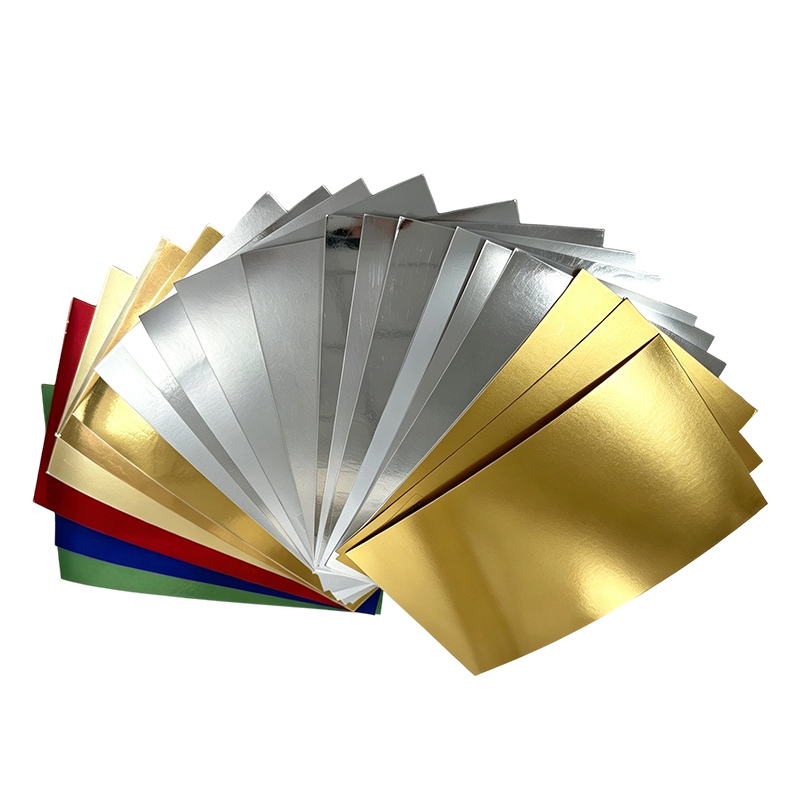
Matte gold cardstock has become a go-to material for invitations, packaging, and handmade crafts that need a warm metallic finish without the glare of foil or glossy paper. Below is a complete breakdown of what it is, how it's produced, and how to choose the right sheet for your project.
What Is Matte Gold Cardstock?
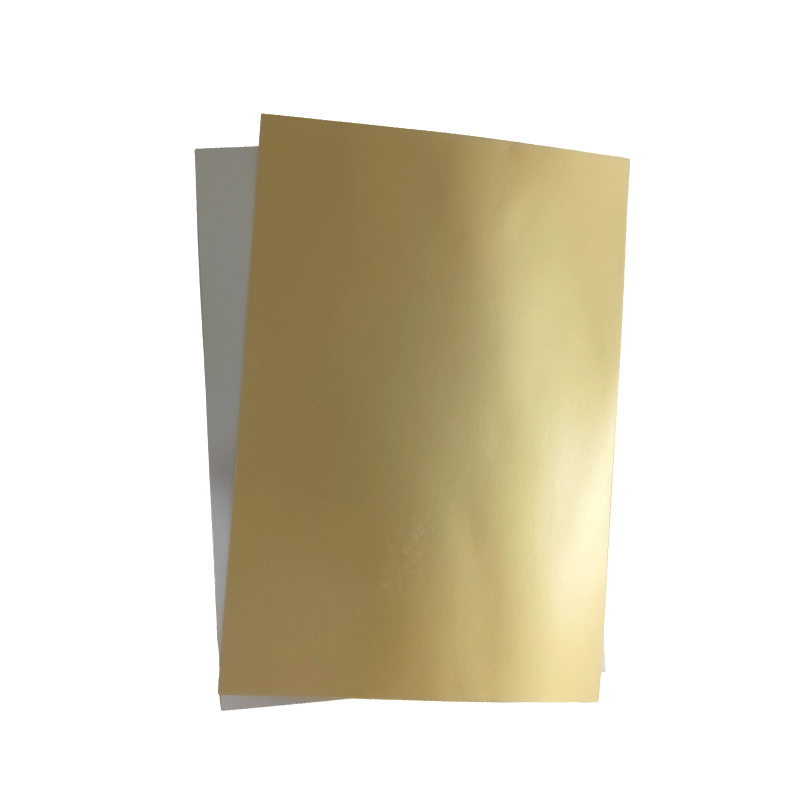
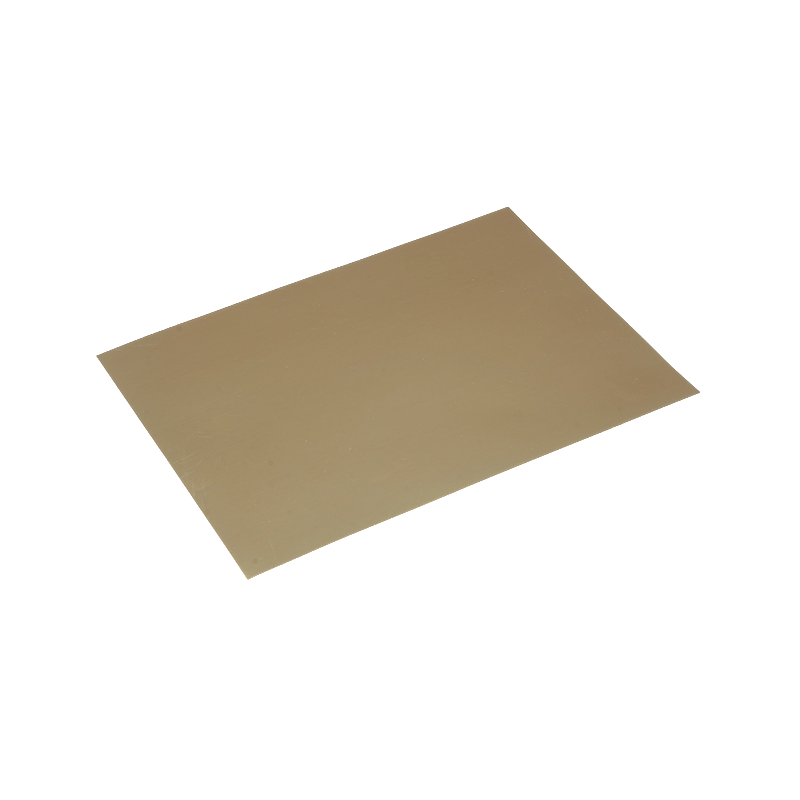
Matte gold cardstock is a heavyweight paper stock — typically between 80lb and 110lb (215–300 gsm) — that carries a gold pigment or metallic coating applied to one or both sides, finished without the reflective sheen found in glossy or foil-laminated papers. The "matte" finish is achieved by controlling the surface coating during manufacturing so light diffuses evenly across the sheet rather than bouncing off a single point, which gives the gold color a soft, low-glare, almost brushed-metal appearance.
This distinguishes it from two related products people often confuse it with: glossy gold cardstock, which uses a reflective coating for a mirror-like shine, and gold foil paper, which applies a thin metallic film over a base paper rather than integrating color into the stock itself. Matte gold cardstock sits in between — richer and more dimensional than a printed gold color, but softer and more paper-like than foil.
Quick definition: Matte gold cardstock = heavyweight paper + gold pigment/coating + non-reflective surface finish.
How Is Gold Cardstock Made?
Gold cardstock production generally follows one of three manufacturing routes, each producing a slightly different look and price point:
- Pigment-coated base paper — a heavyweight base sheet is coated with a gold-toned pigment layer, then calendered (pressed through rollers) to set the finish as matte or gloss.
- Pearlescent/metallic coating — mica-based particles are blended into the coating layer, giving a subtle shimmer that reads as "metallic matte" rather than flat color. This is the most common method for premium invitation-grade stock.
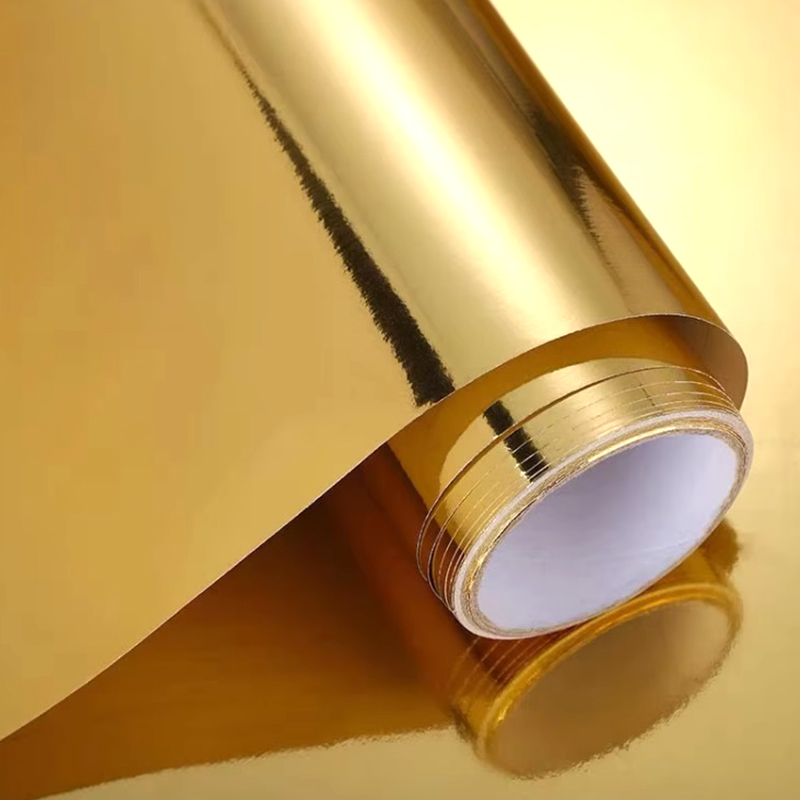
- Foil or film lamination — a thin metallic polyester film is bonded to a paper base. This produces the most reflective, true "metallic" look and is technically a different product category from coated gold cardstock, though it's often marketed under the same name.
The matte effect itself comes down to surface texture at a microscopic level. Manufacturers add micro-fine texture or reduce the calendering pressure so the surface has millions of tiny irregularities that scatter light instead of reflecting it in one direction — the same principle that separates matte from glossy photo paper.
What Can You Make With Gold Cardstock?
Because it combines rigidity with a premium finish, gold cardstock is used well beyond simple stationery. Common applications include:
Invitations & Stationery
Wedding invites, save-the-dates, place cards, menu cards
Gift Packaging
Gift boxes, tags, ribbon wraps, retail inserts
Paper Crafts
Scrapbooking, card-making, paper flowers, origami accents
Signage & Décor
Table numbers, banners, party backdrops, cake toppers
The matte finish in particular is favored for pieces that will be handwritten on, photographed under bright lighting, or handled frequently — all situations where a glossy or foil surface tends to show fingerprints, glare, or ink-adhesion problems.
Matte Gold Cardstock Uses for Crafts
For hands-on craft work, matte gold cardstock offers a few practical advantages that glossy stock doesn't:
- Better adhesive bonding — glue, double-sided tape, and adhesive dots grip a matte surface more reliably than a slick glossy one, which matters for layered card-making and 3D paper crafts.
- Cleaner die-cutting and scoring — the surface coating on matte stock is less prone to cracking or flaking along fold lines compared to heavily laminated glossy or foil sheets.
- Ink and marker compatibility — matte surfaces accept gel pens, markers, and stamped ink far better, which is why it's the preferred choice for hand-lettered place cards and personalized tags.
- Softer photographic look — for flat-lay product photography or social content, matte gold avoids the harsh light reflections that make glossy stock difficult to photograph indoors.
Crafters commonly pair matte gold cardstock as an accent layer against a white, cream, or deep-color base cardstock, using it for die-cut shapes, borders, or small foiled-look details rather than as the entire surface — this keeps material cost down while still delivering a premium visual.
Matte vs. Glossy Cardstock
The choice between finishes comes down to how the piece will be used, not just how it looks in isolation:
| Property | Matte Gold Cardstock | Glossy Gold Cardstock |
|---|---|---|
| Light reflection | Low, diffused | High, mirror-like |
| Writability (pen/marker) | Excellent | Poor to fair |
| Fingerprint/smudge visibility | Minimal | Noticeable |
| Best for | Invitations, crafts, photography | High-impact packaging, statement pieces |
| Printer compatibility | Better ink absorption | Can cause ink smearing/drying issues |
Benefits of Matte Cardstock Paper
Beyond the gold-specific comparison above, matte cardstock as a category offers several general advantages over glossy or coated alternatives:
- Easier to print on — inkjet and laser printers both handle matte surfaces more predictably, with less risk of smudging or toner offset.
- More forgiving under lighting — no hotspots or glare when photographed or scanned, which matters for anything going into a product listing or portfolio.
- Perceived as more premium in certain contexts — matte finishes are often associated with understated, high-end design (think boutique packaging) rather than the more commercial feel of high-gloss coatings.
- Less prone to visible wear — small scuffs and scratches are far less noticeable on a matte surface than on a glossy one, where any imperfection catches the light.
Cardstock vs. Regular Paper: What's the Difference?
The core difference is weight and rigidity. Standard printer or writing paper typically runs 20lb–24lb (75–90 gsm), while cardstock starts around 65lb (176 gsm) and can go up to 130lb (350 gsm) or more. That added thickness changes how the material behaves:
- Cardstock holds its shape when standing upright (place cards, tent cards), while regular paper flops over.
- Cardstock survives folding, scoring, and die-cutting without tearing as easily as thin paper.
- Cardstock is opaque enough to prevent printed text or color showing through from the other side — a common problem with lightweight paper.
- Cardstock is the standard base for coated or metallic finishes (like gold) because it holds the coating layer without warping.
In short: if a project needs to be handled, folded, mailed, or displayed on its own without support, cardstock is the appropriate category — regular paper is meant for pages that stay flat and get bound, stapled, or filed.
How to Choose Cardstock for Printing
Whether you're printing invitations, packaging inserts, or craft templates, a few specs determine whether a sheet will perform well:
| Spec | What to Check |
|---|---|
| Weight (lb/gsm) | 80–100lb for cards/invites; 100lb+ for standalone signage |
| Finish | Matte for writing/printing; gloss or foil for visual impact only |
| Printer type | Confirm inkjet/laser compatibility — some coatings resist toner fusing |
| One-sided vs. two-sided coating | Two-sided needed if both faces will be visible (e.g., folded cards) |
| Cut size | Standard A4/Letter for home printers; pre-cut sizes for bulk card projects |
Practical tip: Always print a single test sheet before running a full batch — metallic and coated cardstocks vary more between brands than standard white paper, and printer settings often need adjusting for ink absorption.