English
  Español
  عربى
عربى 

Industry News
Content
- 1 How to Print on Gold Cardstock
- 2 What Printer Works With Cardstock Paper?
- 3 Cardstock Paper Weight Guide
- 4 How to Choose Cardstock Thickness (and What GSM You Should Use)
- 5 Best Cardstock for Invitations
- 6 Gold Cardstock for Wedding Invitations
- 7 Gold Cardstock for Packaging Design
- 8 Metallic Cardstock vs. Matte Cardstock
- 9 Matte Gold Cardstock for Business Cards
Paper & Cardstock Guide
Printing on Gold Cardstock: Weight, Finish, and Printer Compatibility Explained
Getting a clean, professional result from gold cardstock depends less on the design and more on matching the right weight, finish, and printer settings to the project. Here's how to make those decisions correctly the first time.
How to Print on Gold Cardstock
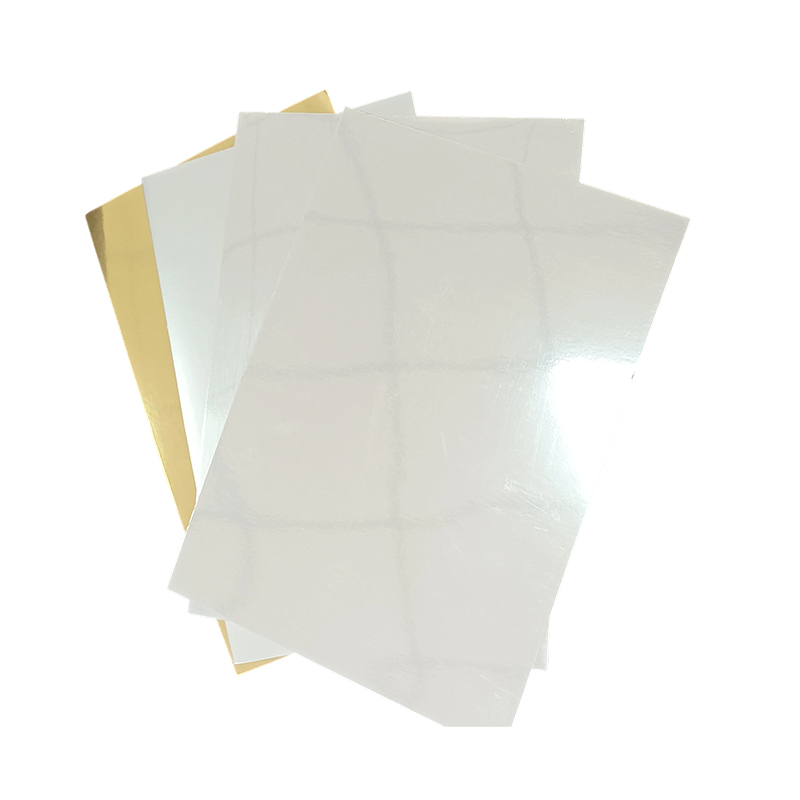
Gold cardstock prints differently from plain white cardstock because the metallic or pigment coating changes how ink sits on the surface. A few adjustments make the difference between a clean result and smudged, uneven output:
- Set the paper type manually. Most printers default to plain paper settings, which apply too much ink for a coated sheet. Select "cardstock," "heavyweight matte," or the closest equivalent in your printer driver.
- Feed from the manual/rear tray. Cardstock is too rigid for most standard paper trays and front-loading rollers; a straight-path rear feed avoids jams and creasing.
- Reduce ink saturation for dark designs. Because the gold base already carries color, dark or heavily saturated designs can oversaturate and take longer to dry — lowering print density settings helps.
- Allow extra drying time. Inkjet ink absorbs more slowly into coated stock than plain paper. Let sheets sit flat for several minutes before stacking or handling.
- Test before a full run. Coating consistency varies by brand and batch, so a single test print catches feed or saturation issues before they affect the whole project.
What Printer Works With Cardstock Paper?
Both inkjet and laser printers can handle cardstock, but they behave differently and suit different cardstock types:
| Printer Type | Best Suited For | Watch Out For |
|---|---|---|
| Inkjet | Matte-coated cardstock, richer color depth | Slower drying, possible smudging on glossy/metallic coatings |
| Laser | Sharp text, fast dry, high-volume runs | Toner may not fuse well to heavily coated or foil-laminated stock |
Most home and small-office printers — inkjet models from major consumer brands, as well as office laser printers — support cardstock up to around 110lb (300 gsm), as long as it's fed manually. Beyond that weight, a dedicated card printer or professional print shop is usually needed, since standard rollers can't grip or feed heavier stock reliably.
Cardstock Paper Weight Guide
Weight is listed either in pounds (lb) — the U.S. system, based on the weight of 500 sheets at a base size — or in gsm (grams per square meter), the international standard. Here's how common weights map to typical uses:
| Weight | Feel | Typical Use |
|---|---|---|
| 65lb (176 gsm) | Light cardstock, still flexible | Flyers, simple cards, craft layering |
| 80lb (215 gsm) | Firm, holds a fold cleanly | Greeting cards, standard invitations |
| 100–110lb (270–300 gsm) | Rigid, substantial in hand | Wedding invitations, business cards, premium packaging |
| 130lb+ (350 gsm+) | Board-like, self-supporting | Standalone signage, rigid packaging inserts |
How to Choose Cardstock Thickness (and What GSM You Should Use)
Thickness selection comes down to how the finished piece will be handled:
- Will it be folded? Go with 80–100lb — thick enough to hold a crisp fold, but not so rigid it cracks along the score line.
- Will it be mailed? Check postal weight and thickness limits before going above 110lb, since overly rigid or thick cards can trigger extra postage.
- Will it stand on its own? Place cards, table numbers, and freestanding signage need 100lb or higher to avoid drooping.
- Will it go through a home printer repeatedly? Stay at or below your printer's max-weight spec (usually printed in the manual) to avoid jams.
Quick rule: When unsure, 100lb (270 gsm) is the safest middle ground — substantial enough to feel premium, light enough to run through most home printers without issue.
Best Cardstock for Invitations
For invitations specifically, three factors matter more than any others: weight, finish, and print compatibility.
- Weight: 100–110lb gives invitations a substantial, high-end feel without becoming difficult to fold or insert into envelopes.
- Finish: Matte is the safer default for text-heavy invitations because it takes ink and handwriting cleanly; glossy or metallic accents work well as borders or secondary layers rather than the full surface.
- Print compatibility: Confirm the stock is rated for your printer type before ordering in bulk — this is the single most common cause of wasted invitation batches.
Gold Cardstock for Wedding Invitations
Gold cardstock is one of the most requested materials for wedding stationery, and it typically shows up in three ways:
- As the full invitation base — matte gold works best here for its readability with dark or foil-stamped text.
- As a backing layer — a slightly larger gold sheet placed behind a white or cream invitation card creates a visible metallic border effect.
- As accent elements — envelope liners, belly bands, and RSVP card backing, where a small amount of gold adds cohesion without dominating the design.
Couples ordering in bulk should request a physical sample before committing to a full print run — gold tones vary noticeably between suppliers, and screen colors rarely match the finished paper exactly.
Gold Cardstock for Packaging Design
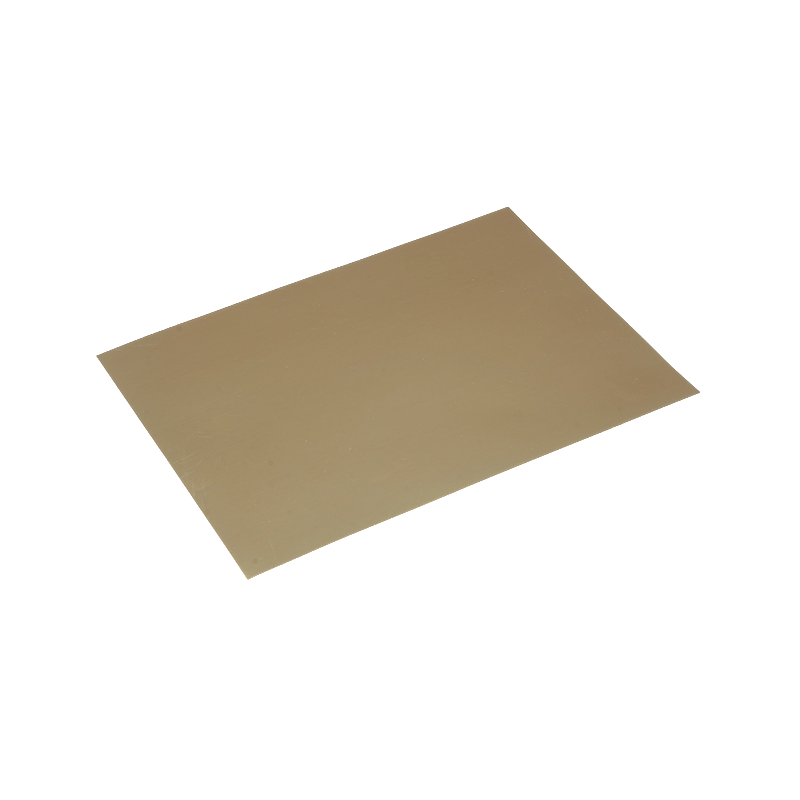
In packaging applications, gold cardstock is used for gift boxes, product sleeves, retail inserts, and tags where the material itself needs to carry a premium impression without additional finishing like foil stamping. Matte gold in particular is favored for:
- Reducing production cost compared to true foil stamping, while still achieving a metallic visual impression on shelf.
- Better print legibility for barcodes, batch codes, and small text that would be hard to read on a reflective glossy surface.
- More consistent appearance under retail lighting, where glossy stock can create glare in product photography or under store spotlights.
Metallic Cardstock vs. Matte Cardstock
"Metallic" and "matte" aren't strictly opposites — metallic describes the color effect (a shimmering, reflective quality from mica or foil), while matte describes the surface finish (non-reflective). Some products combine both, often labeled "metallic matte," which delivers a subtle shimmer without full gloss. When comparing pure metallic (glossy) stock to matte-finished gold stock:
- Metallic/glossy gives maximum shine and visual impact, best for statement pieces viewed briefly rather than handled or written on.
- Matte gives a softer, more sophisticated look, better durability against fingerprints and scuffs, and far better compatibility with printing and handwriting.
Matte Gold Cardstock for Business Cards
For business cards, matte gold cardstock is typically used in the 100–130lb range — heavier than standard cards to feel substantial in hand, since card weight is one of the first things people notice when exchanging cards. Matte finish is preferred here for practical reasons beyond aesthetics:
- Text remains legible from any viewing angle, unlike glossy stock where light reflection can obscure fine print.
- Cards resist visible fingerprint smudging after repeated handling, which matters over a card's lifespan in someone's wallet.
- A matte gold base pairs well with a contrasting foil-stamped or embossed logo for a two-texture effect without the whole card competing for shine.