English
  Español
  عربى
عربى 

Industry News
Content
What Is Metallic Card Paper?
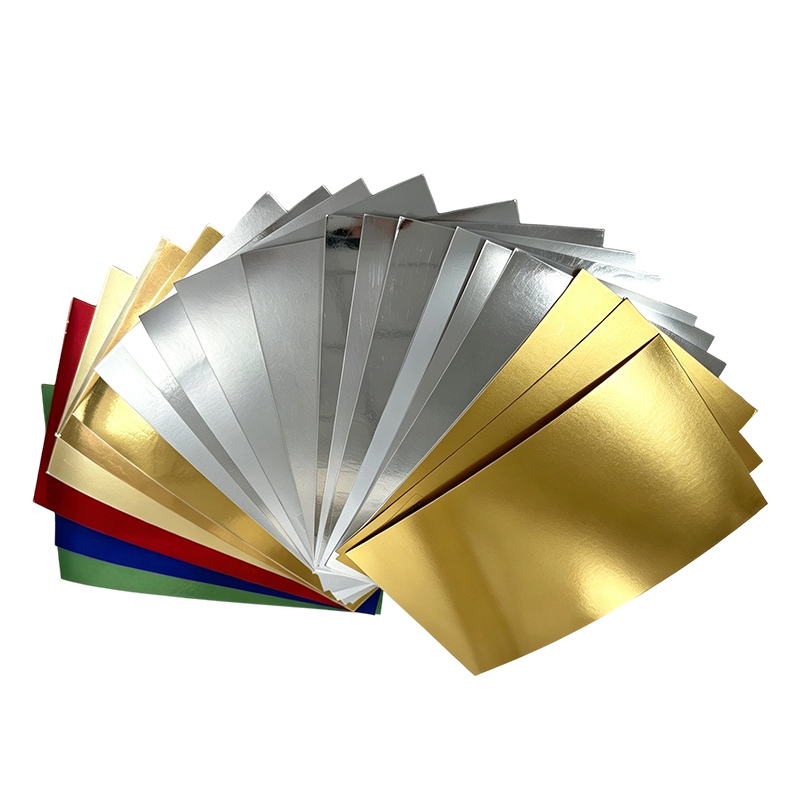
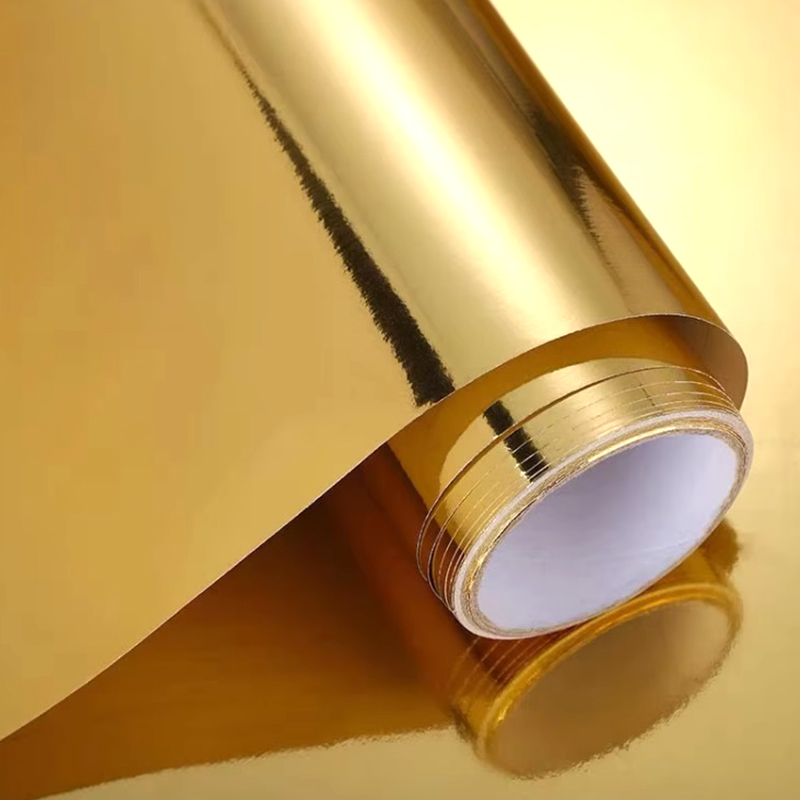
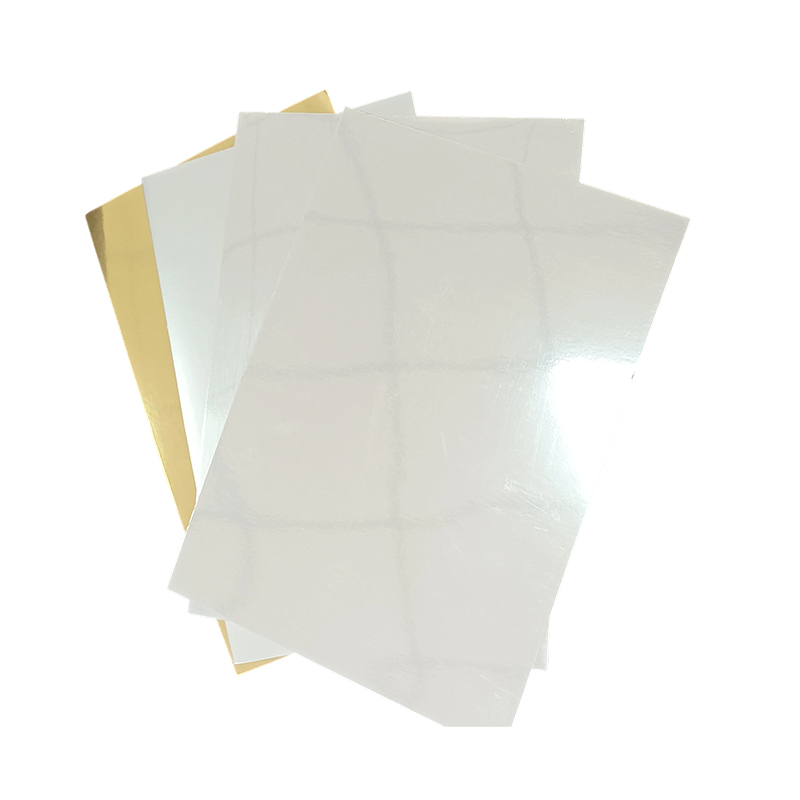
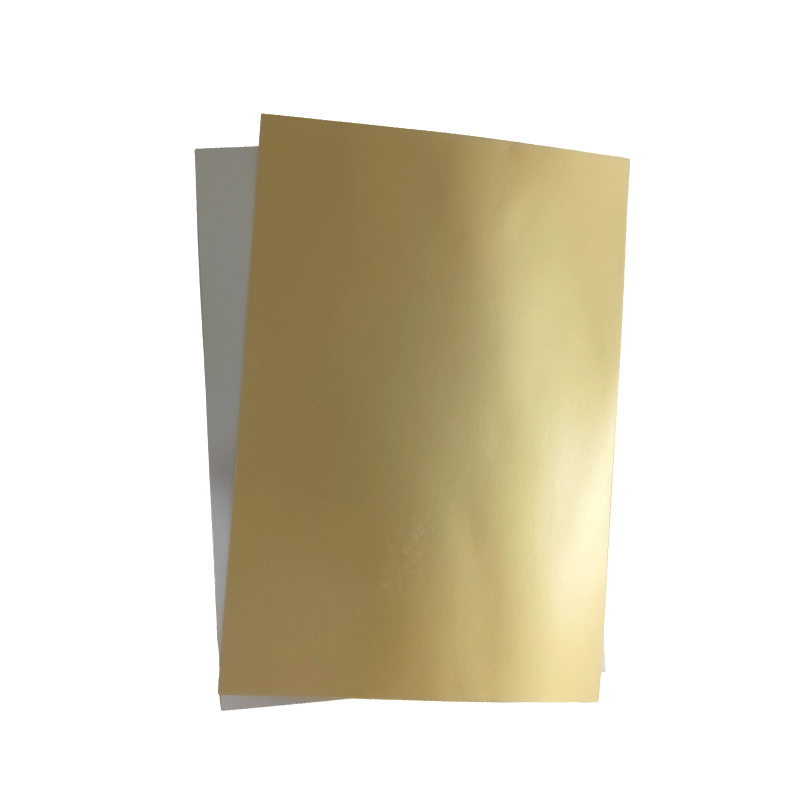
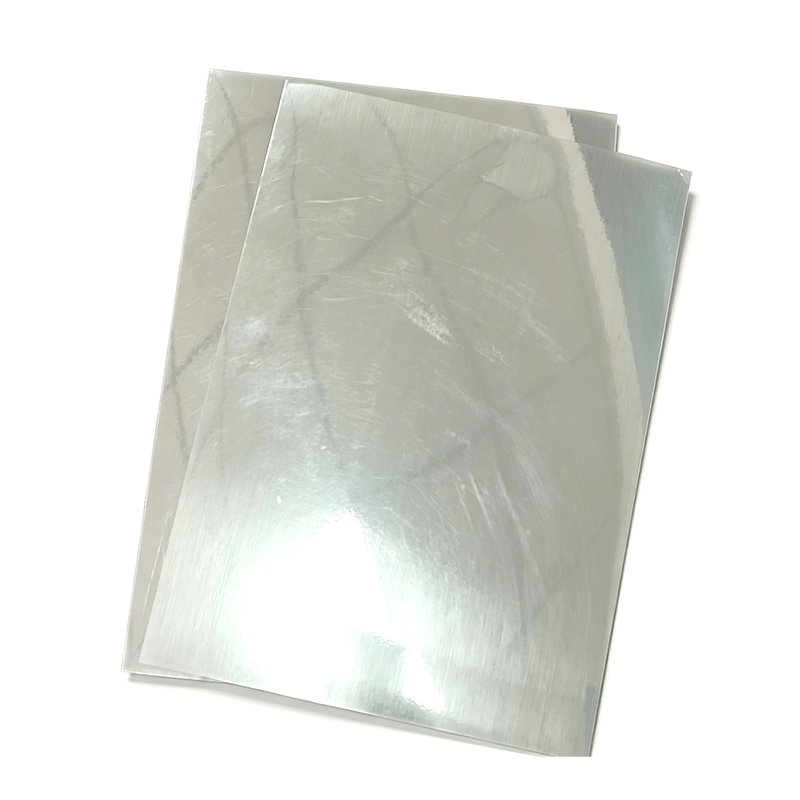
Metallic card paper is a heavyweight paper stock with a reflective, lustrous surface that mimics the appearance of polished metal. It is produced by applying a metallic coating, foil laminate, or specialised pigment layer to a dense card base, resulting in a material that catches and reflects light in a way that standard coated or uncoated papers cannot replicate. The finish ranges from mirror-bright chrome and gold to softer pearl, brushed, and holographic effects, depending on the manufacturing process used.
Unlike foil stamping — which applies a metallic accent to a specific area of a printed piece — metallic card paper is metallic across its entire surface. This makes it a versatile base material for projects where a premium, eye-catching aesthetic is required throughout, not just as a decorative accent. Its weight typically ranges from 250 gsm to 400 gsm, placing it firmly in the card stock category and making it suitable for rigid, structured applications.
The material is used extensively in commercial print, luxury packaging, event stationery, and creative crafts — anywhere the visual and tactile impact of a metallic surface adds perceived value to the finished product.
Types of Metallic Card Paper Finishes
Metallic card paper is available in a wide range of surface finishes, each with distinct visual properties and suitability for different applications.
Mirror / High-Gloss Metallic
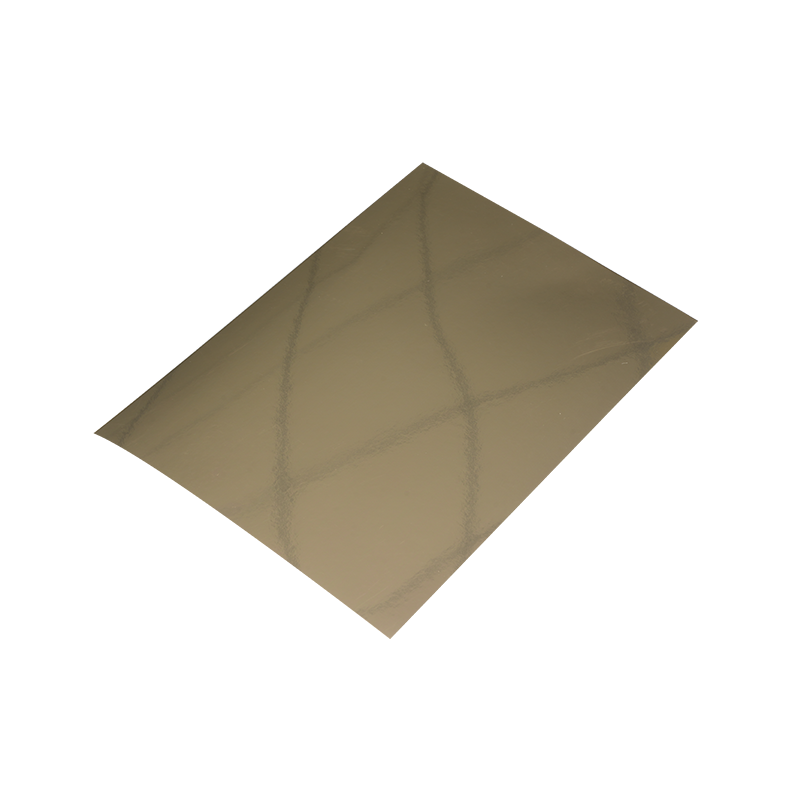
The most reflective option, mirror metallic card paper has a chrome-like surface that produces sharp, specular reflections. It is commonly available in silver, gold, rose gold, and copper tones. This finish creates maximum visual impact and is popular for premium business cards, luxury invitations, and high-end retail packaging. The high reflectivity can make surface-printed text difficult to read at certain angles, so design choices need to account for contrast and ink type.
Pearl / Pearlescent Metallic
Pearl metallic card uses mica-based pigments or interference coatings to produce a soft, iridescent shimmer rather than a hard reflective surface. The effect shifts subtly with viewing angle and light source, creating depth without the stark brightness of mirror finishes. Pearlescent card is widely used in wedding stationery, cosmetics packaging, and greeting cards where elegance is prioritised over high contrast.
Brushed Metallic
Brushed metallic card replicates the appearance of brushed aluminium or steel, with a directional texture visible in the surface coating. It reflects light diffusely rather than specularly, producing a more understated, industrial aesthetic. This finish is popular for corporate stationery, technology product packaging, and masculine design contexts where a refined but not flashy metallic look is desired.
Holographic Metallic
Holographic card paper features a diffraction grating pattern embedded in the surface coating, producing rainbow spectral effects that shift dramatically with movement and lighting. It is the most visually dynamic of all metallic card types and is used in entertainment, event, and novelty applications — concert tickets, festival wristbands, collectible cards, and product packaging where attention-grabbing is the primary goal.
Satin / Semi-Gloss Metallic
Satin metallic card occupies the middle ground between pearl and mirror finishes — more reflective than pearl but without the full brightness of a high-gloss surface. It offers the best printability of the metallic card types, as its reduced reflectivity minimises glare on printed text and imagery. This makes it a practical choice for projects that combine extensive print coverage with a metallic background.
| Finish | Reflectivity | Printability | Best For |
|---|---|---|---|
| Mirror / High-Gloss | Very High | Moderate | Luxury cards, packaging, invitations |
| Pearl / Pearlescent | Low–Medium | Good | Wedding stationery, cosmetics, greetings |
| Brushed | Medium | Good | Corporate stationery, tech packaging |
| Holographic | High (spectral) | Limited | Events, novelty, collectibles |
| Satin / Semi-Gloss | Medium | Very Good | Heavy print coverage, brochures, menus |
Common Uses of Metallic Card Paper
The applications for metallic card paper span commercial print, packaging, stationery, and creative crafts. Its defining value in all of these contexts is the same: it elevates the perceived quality and visual impact of the finished piece beyond what standard card stock can achieve.
Business Cards
Metallic business cards are one of the most popular applications for this material. A silver or gold metallic card stock business card is instantly distinguishable in a stack of standard cards, making a strong first impression in client-facing industries such as luxury retail, hospitality, finance, and creative services. The weight and rigidity of 300–400 gsm metallic card also contributes to a premium tactile experience that reinforces brand perception.
Invitations and Event Stationery
Wedding invitations, gala event invites, and corporate event stationery frequently use pearlescent or mirror metallic card to signal the significance of the occasion. The material photographs beautifully, which matters for couples and event planners sharing stationery imagery on social media. Gold and rose gold metallic cards are particularly popular for formal occasions; silver and holographic options suit contemporary and nightlife events.
Luxury Packaging and Product Boxes
Cosmetics, jewellery, confectionery, and spirits brands use metallic card paper for gift boxes, product sleeves, and inserts where unboxing experience is a deliberate part of the brand proposition. The material pairs particularly well with embossing, debossing, and spot UV finishing — techniques that add textural contrast to the metallic background and reinforce the premium positioning of the product inside.
Greeting Cards and Gift Tags
The festive and gift markets are significant consumers of metallic card paper. Seasonal greeting cards, especially for Christmas, Diwali, Eid, and New Year, frequently use gold and silver metallic stock to reinforce celebratory themes. Gift tags on metallic card stock add a cohesive, upmarket finish to premium gift wrapping.
Craft and DIY Projects
Metallic card paper is widely available in consumer craft formats — A4 and letter-size sheets, pre-cut shapes, and crafting packs — for use in scrapbooking, card making, origami, and paper crafts. Its workability with scissors, craft knives, and scoring tools is comparable to standard card stock, making it accessible for home crafters without specialist equipment.
Printing on Metallic Card Paper: What You Need to Know
Printing on metallic card paper requires more planning than printing on standard stock. The reflective surface introduces challenges around ink adhesion, colour accuracy, and legibility that must be addressed in the design and production stages.
Ink Adhesion and Drying
Many metallic card papers have a non-porous or low-absorption surface coating. Standard offset lithographic inks dry well on these surfaces through oxidation, but inkjet printing can be problematic on highly polished metallic stocks — ink may bead, smear, or dry slowly without the correct ICC profile and ink formulation. UV-cured inkjet systems and dry toner digital presses (laser) generally perform better on metallic card than standard aqueous inkjet. Always request a print test or check with your printer before committing a full run.
Colour Accuracy
The metallic background affects how printed colours appear. Transparent or semi-transparent inks will be influenced by the underlying metallic tone — a cyan ink printed over gold card will appear greenish; a yellow ink may become almost invisible. Designs intended for metallic card stock should be proofed specifically on that substrate, and a white undercoat is sometimes applied first to create a neutral base for accurate colour reproduction where needed.
Design Considerations
The most effective designs for metallic card paper work with the substrate rather than covering it entirely. Approaches that leverage the metallic surface include reverse-out (white or coloured text revealed against a dark printed background, with the metallic showing through in specific areas), spot printing (printing only certain design elements and letting the metallic surface form part of the design), and embossing or debossing to add dimension without obscuring the finish. Minimalist designs with generous negative space consistently produce the strongest visual results on metallic stock.
Finishing Compatibility
Metallic card paper is compatible with most standard finishing techniques, but with some caveats. Aqueous and UV lamination adhere well and can enhance durability significantly. Spot UV varnish creates striking contrast between matte and gloss areas on a metallic base. Embossing and debossing work effectively on most metallic card weights above 300 gsm. Die cutting, creasing, and folding are all achievable, though very tight folds on heavy metallic stock may crack the coating at the crease — scoring before folding is essential for weights above 300 gsm.
How to Choose the Right Metallic Card Paper
Selecting the correct metallic card for a project involves balancing visual goals, print requirements, and practical constraints. Work through the following considerations:
- Define the primary purpose. Is the metallic surface primarily decorative (minimal print, maximum metallic showing), or is it a premium background for significant text and image content? Decorative applications suit high-gloss mirror finishes; print-heavy applications need satin or brushed stock.
- Match the colour tone to the brand or occasion. Gold conveys warmth, luxury, and celebration. Silver reads as modern, technical, or formal. Rose gold appeals to contemporary lifestyle and beauty contexts. Holographic suits high-energy or youth-oriented applications.
- Consider the weight relative to the application. Business cards and folded invitations work well at 300–350 gsm. Boxes and rigid packaging typically require 350–400 gsm or laminated constructions. Craft applications may use lighter 250–280 gsm sheets for easier cutting and folding.
- Confirm print process compatibility before ordering. If digital printing, confirm that the specific stock is compatible with your printer's output technology. Request samples or a small test print before committing to a full production quantity.
- Factor in finishing requirements. If the finished piece will be folded, scored, die cut, or embossed, ensure the card weight and coating type are suitable for those processes and request a finishing test if uncertain.
Metallic Card Paper vs Foil-Stamped Card: Understanding the Difference
Metallic card paper and foil stamping are frequently confused but are fundamentally different techniques that serve different design goals.
Metallic card paper is a substrate — the base material itself has a metallic surface across its entire sheet. Any design printed on it benefits from the metallic background automatically, and the metallic effect requires no additional finishing process beyond the paper itself.
Foil stamping is a finishing process applied to standard (non-metallic) card stock after printing. A heated die presses a thin metallic foil film onto specific areas of the printed sheet, transferring a metallic finish only where the die makes contact. Foil stamping allows precise metallic accents — a logo, a monogram, a border — on an otherwise non-metallic card.
The two can also be combined: foil stamping applied over a metallic card base creates layered metallic effects where different metallic tones or finishes interact. However, this combination is cost-intensive and typically reserved for ultra-premium applications where the added production expense is justified by the final product's value.
For projects requiring full-surface metallic impact at lower per-unit cost, metallic card paper is the more economical and practical choice. For projects requiring precise metallic accents on standard card, foil stamping is more appropriate.