English
  Español
  عربى
عربى 

Industry News
Content
What Brushed Silver Cardstock Actually Is
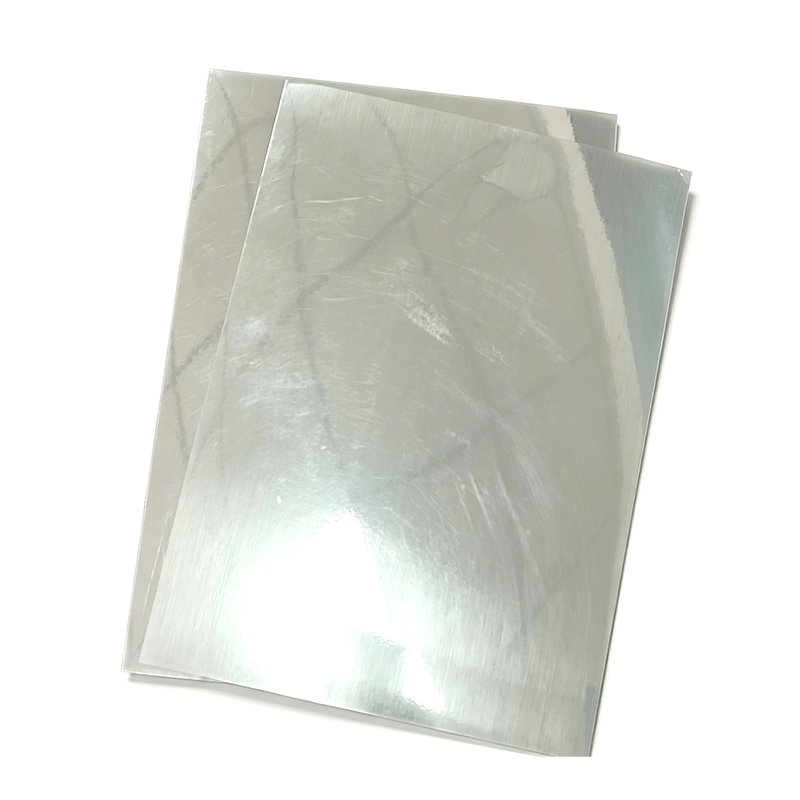
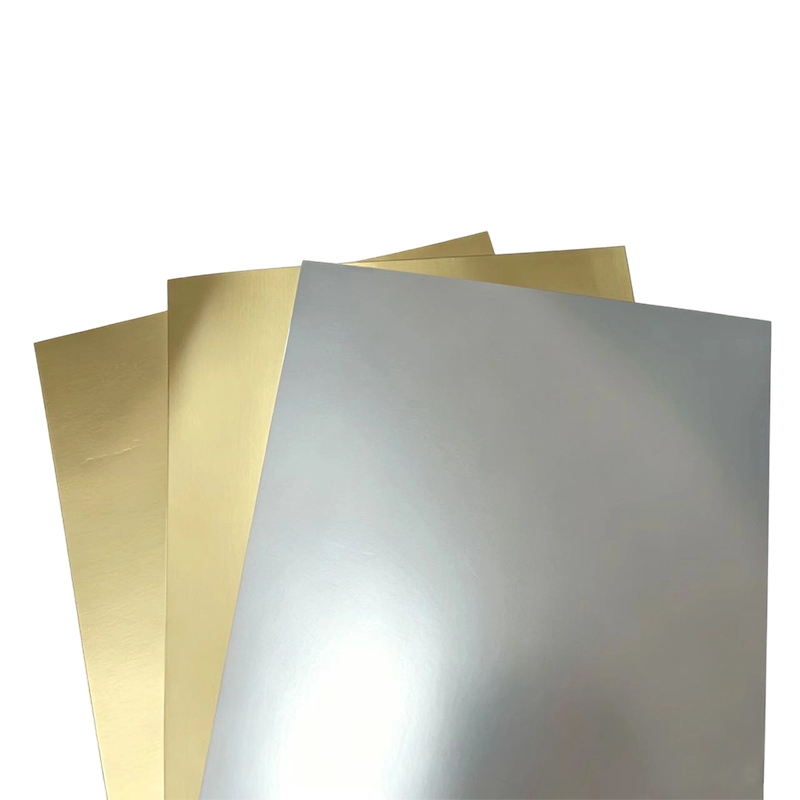
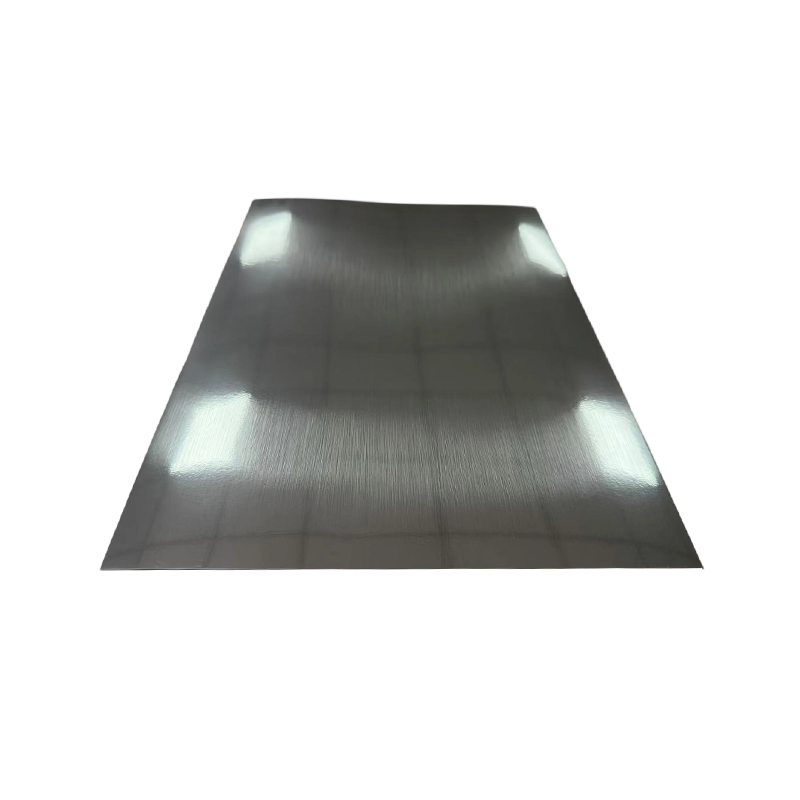
Brushed silver cardstock is a heavyweight paper stock with a metallic silver surface that mimics the look of brushed or satin-finish metal. Unlike mirror-finish foil boards, the surface has a subtle directional texture — fine parallel lines that diffuse light rather than reflect it sharply. This gives the material a muted, industrial elegance that works across both premium packaging and design print applications.
The construction typically consists of a base board (commonly 250–400 gsm) coated or laminated with a metallic film or metallized layer. The brushed effect is either mechanically embossed into the coating during manufacturing or achieved through a matte-over-metallic layering process. The result is a surface that is simultaneously reflective and soft — catching light at oblique angles while remaining easy to read when printed on directly.
It should not be confused with foil-stamped silver, which applies a metallic accent to a standard substrate. Brushed silver cardstock is metallic throughout its printable surface, making it the base material itself rather than a finishing treatment applied afterward.
Key Specifications to Evaluate Before Purchasing
Selecting the right brushed silver cardstock requires matching the sheet's technical profile to your print method and end use. The most critical variables are weight, coating type, and printability rating.
| Specification | Typical Range | Impact on Use |
|---|---|---|
| Weight (gsm) | 250–400 gsm | Heavier weights suit rigid packaging; lighter weights for folded cards and inserts |
| Surface coating | Metallized film, hot stamping foil laminate, or vacuum-deposited aluminum | Determines ink adhesion and whether offset, digital, or screen printing is compatible |
| Brightness / reflectivity | Low to medium (brushed finish) | Lower reflectivity improves readability of dark or fine-detail print |
| Caliper (thickness) | 0.30–0.55 mm | Affects die-cutting precision and structural integrity of folded packaging |
| Grain direction | Long grain or short grain | Must align with fold direction to prevent cracking along scored edges |
For digital printing (laser or inkjet), look for stock explicitly rated as digital-compatible. Many metallized surfaces have low surface energy, causing ink to bead or smear unless the coating has been specially treated for toner or pigment adhesion. Offset-lithography applications are generally more forgiving, but UV ink systems and aqueous coatings should still be verified with the supplier before committing to a full print run.
Primary Applications Across Industries
Brushed silver cardstock is used wherever a design needs to communicate precision, modernity, or premium positioning without resorting to the loudness of mirror silver or gold foil.
- Luxury packaging: Rigid setup boxes, folding cartons, and sleeve packaging for cosmetics, electronics, and spirits. The muted metallic surface pairs well with spot UV varnish to create contrast between gloss and satin zones.
- Business stationery and corporate print: Business cards, presentation folders, and certificates where standard coated stocks feel insufficient and full foil stamping is outside budget.
- Event and invitation printing: Wedding invitations, product launch materials, and VIP event collateral. Brushed silver reads as refined without the cold formality of chrome finishes.
- Retail hang tags and labels: Apparel, accessories, and specialty food products use brushed silver tags to elevate perceived value at shelf level.
- Prototype and short-run packaging: Designers use it to produce sample packaging that approximates the appearance of production-grade foil-laminated board at lower minimum order quantities.
In industrial and product packaging, brushed silver cardstock is frequently selected for electronics accessories, automotive parts kits, and tool packaging — product categories where the metallic finish aligns with the product's own material identity.
Brushed Silver vs. Other Metallic Cardstock Finishes
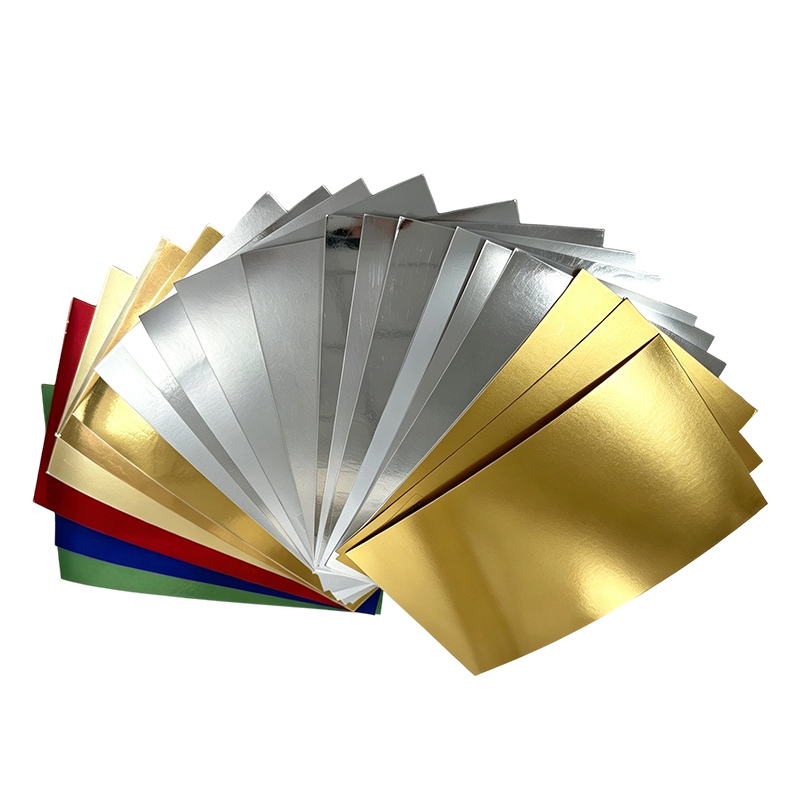
Metallic cardstock is a broad category, and finish selection significantly changes how the final piece is perceived and how it behaves in production.
Mirror silver (gloss metallic): Highly reflective, close to a chrome effect. Dramatic and eye-catching but can cause legibility issues with smaller text and shows fingerprints and surface handling marks more readily. Better suited for short-handled pieces like labels and short-run cards than for packaging that will be handled extensively through a supply chain.
Brushed silver: Diffused reflection, softer appearance. More forgiving in production, more legible when printed on directly, and more tactilely distinctive when embossed or debossed. The directional texture adds a haptic dimension that gloss metallic lacks.
Pearlescent or opalescent silver: Achieves shimmer through mica-particle coatings rather than metallized film. The effect is subtler and shifts slightly with the viewing angle. Often preferred for stationery and beauty packaging where softness is the goal rather than the hard-edged metallic look.
Foil-laminated board: Typically higher brightness and more uniform than roll-coated metallic stocks. Used extensively in premium folding carton manufacturing. The trade-off is that foil boards are less commonly available in cut sheets for smaller print runs, and minimum order quantities tend to be higher than for specialty metallic cardstocks.
For most designers and small-to-mid-volume print buyers, brushed silver cardstock offers the best combination of visual impact, print compatibility, and availability in sheet form.
Production and Finishing Considerations
Working with brushed silver cardstock introduces a few production variables that differ from standard coated or uncoated stocks.
- Scoring before folding: The metallic coating can crack along fold lines if scored improperly. Always score parallel to the grain direction and use a wider scoring channel than you would for standard coated board at the same caliper.
- Adhesive compatibility: Hot-melt glues used in standard folding carton production may not bond reliably to metallized surfaces. Solvent-based or pressure-sensitive adhesives often perform better. Test before production.
- Static buildup: Metallized substrates generate static during cutting and sheet feeding, particularly in low-humidity environments. Anti-static measures (grounding equipment, ionizing bars) reduce misfeeds and registration errors.
- Overprint varnish: Applying a flood UV matte varnish over the printed surface both protects the ink layer and can subtly modify the brushed texture — creating a velvety tactile quality that adds perceived value without additional embossing cost.
- Embossing and debossing: Brushed silver responds very well to blind embossing. The raised metallic surface catches light differently than the surrounding area, creating a high-contrast effect without the need for additional foil stamping.
For digital short-run work, request a drawdown or strike-off from your supplier on the specific stock before approving the job. Color shifts are common on metallic substrates — the silver base reflects back through translucent ink layers, shifting warm tones toward cooler, more metallic readings than the same values would produce on white stock.