English
  Español
  عربى
عربى 

Industry News
Content
What Is Metallic Cardstock
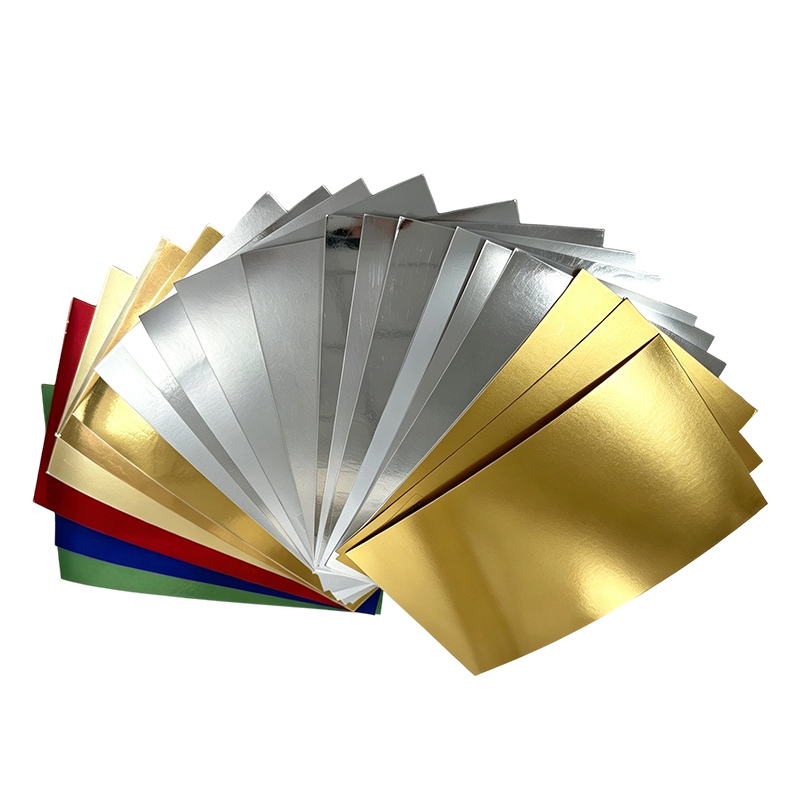
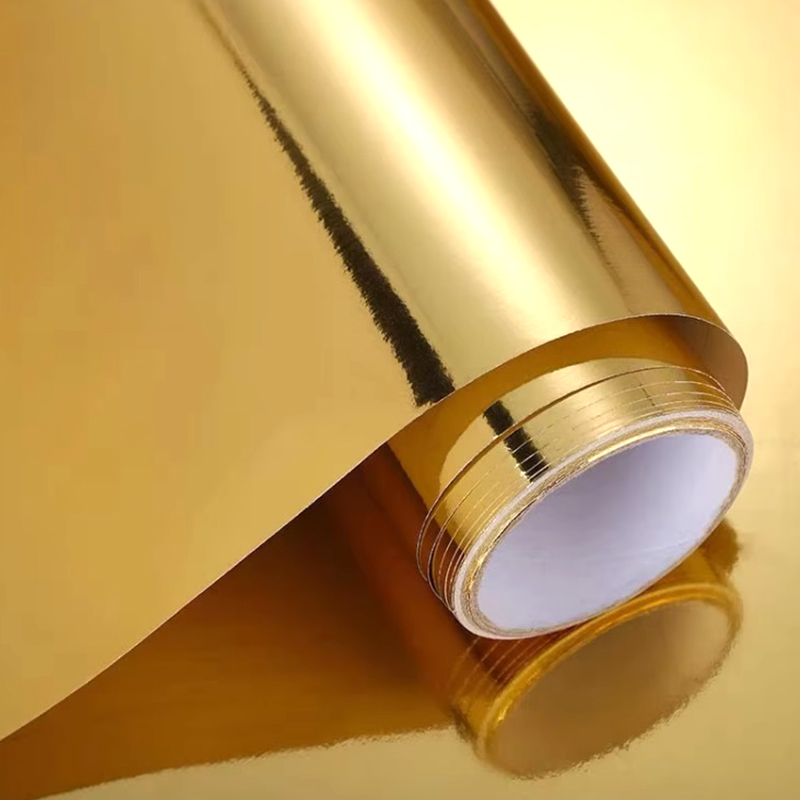
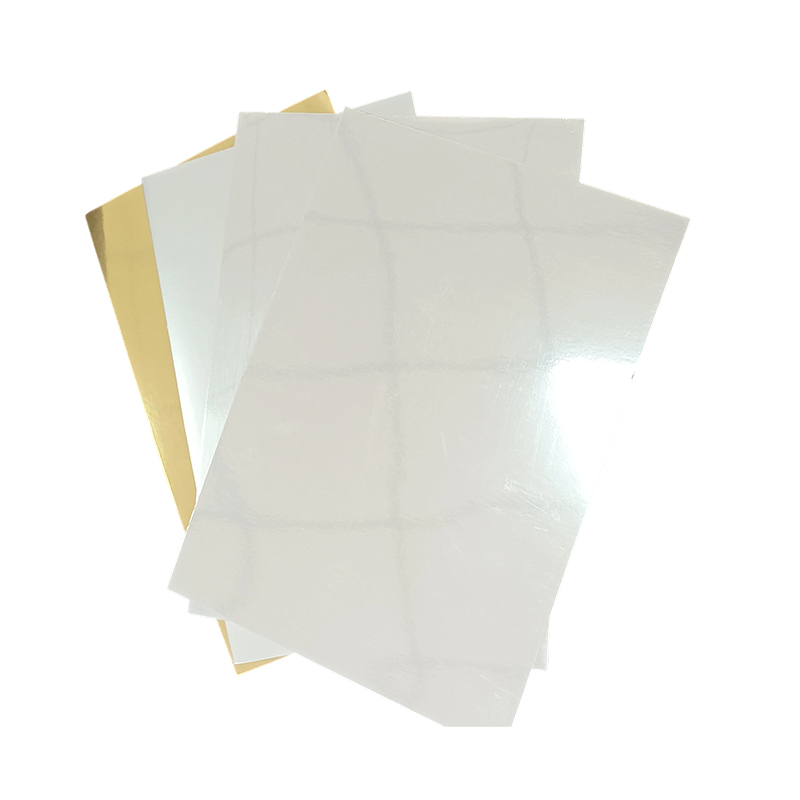
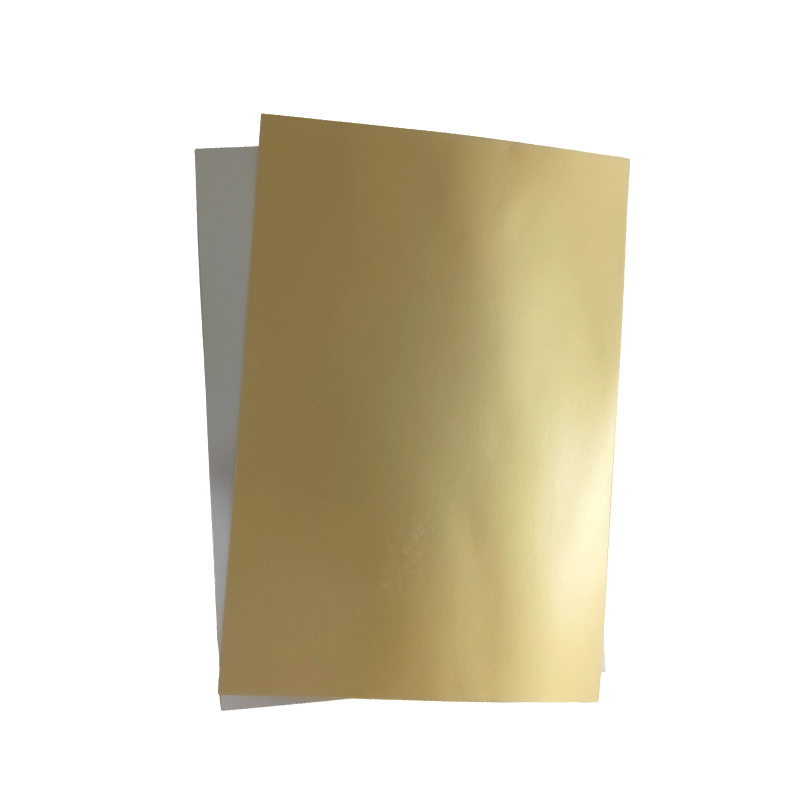
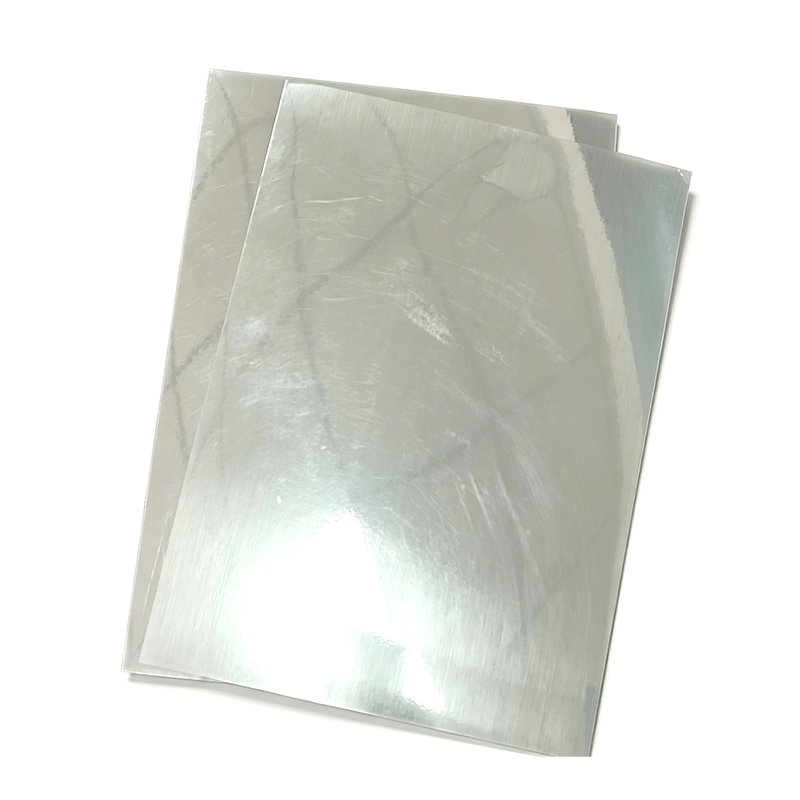
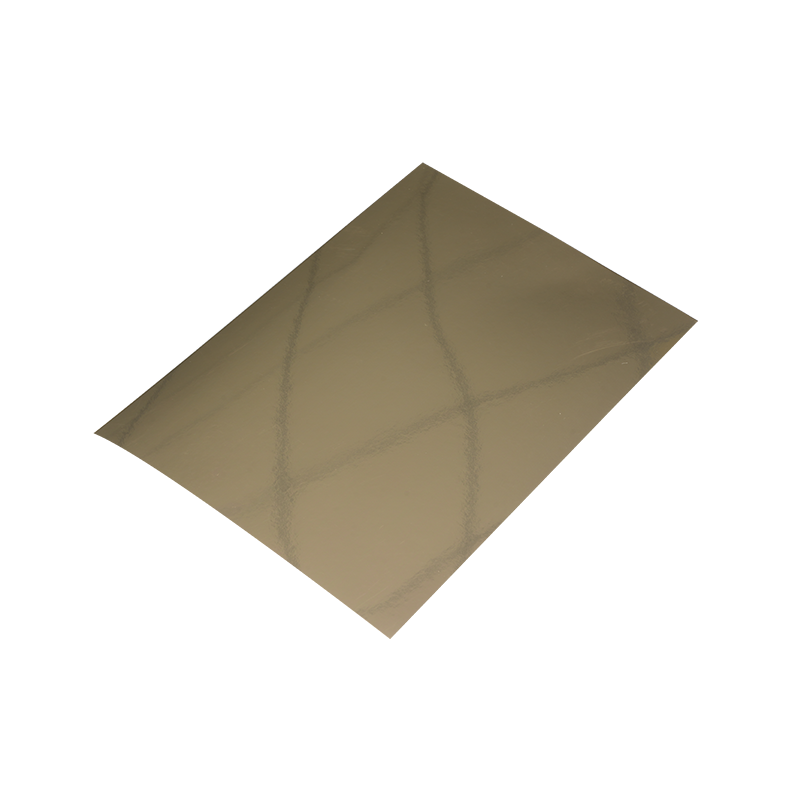
Metallic cardstock is heavyweight paper with a reflective, shimmering surface created either by coating the paper with a metallic pigment layer or by embedding metallic particles directly into the paper pulp. The result is a card stock that catches and reflects light across its entire surface, rather than the scattered sparkle of glitter, giving it a smooth, uniform shine that reads as polished and premium.
Most metallic cardstock is built on a base weight between 80 lb and 120 lb (roughly 216-324 gsm), thick enough to hold its shape for cards, invitations, and packaging without a backing layer. The metallic effect typically comes from one of two manufacturing methods: a pearlescent or foil-laminated coating applied to one or both sides of the sheet, or a pigmented pulp process that distributes reflective particles throughout the paper, which tends to hold up better under folding and scoring since the shine isn't concentrated in a surface layer that can crack.
Metallic Cardstock vs Glitter Cardstock vs Metallic Paper
These three materials are often confused because they all read as "shiny," but they behave very differently in production and in the finished piece.
| Material | Shine Source | Best Use |
|---|---|---|
| Metallic cardstock | Uniform pigment or foil layer | Invitations, card bases, packaging that needs structure |
| Glitter cardstock | Loose or adhered glitter particles | Accents, cutouts, decorative layers (not printing) |
| Metallic paper | Same coating as metallic cardstock, lighter weight | Wrapping, liners, lightweight inserts, not structural cards |
Comparing shine source and best applications across the three material types.
The practical distinction that matters most: glitter cardstock sheds loose particles and generally cannot be run through a printer or die-cutting machine without shedding into the equipment, while metallic cardstock's shine is sealed into or onto the sheet and prints and cuts cleanly. Metallic paper carries the same finish as metallic cardstock but at a lighter base weight (typically under 80 lb / 120 gsm), so it drapes and folds more like standard paper and isn't meant to stand on its own as a card or structural piece.
Coated vs Uncoated Cardstock
Metallic cardstock is a type of coated stock, and understanding the coated/uncoated distinction explains a lot about how it prints and feels. Coated cardstock has a sealing layer — matte, gloss, or metallic — applied over the base paper, which reduces ink absorption and produces sharper, more saturated print results. Uncoated cardstock has no sealing layer, so ink soaks slightly into the fibers, producing a softer, more muted look and a more tactile, "papery" feel.
- Coated (including metallic) — sharper print detail, more vibrant color reproduction, smoother feel, but can show fingerprints or scuffs more easily on the shiniest finishes.
- Uncoated — easier to write on by hand, takes stamping ink and embossing well, but colors print slightly less vivid since the coating that boosts saturation is absent.
Because the metallic layer changes how ink sits on the surface, print settings and ink types need to be adjusted specifically for metallic stock rather than treated the same as standard coated cardstock, which is covered in the printing section below.
Cardstock Weight Guide
Cardstock weight is usually listed in pounds (lb) using the cover-weight scale, in grams per square meter (gsm), or both, and the right weight depends on how the piece will be used.
| Weight | Approx. GSM | Typical Use |
|---|---|---|
| 65 lb | 176 gsm | Light card making, layered inserts |
| 80-100 lb | 216-270 gsm | Standard invitations, greeting cards |
| 110-120 lb | 297-324 gsm | Premium invitations, standalone cards, packaging |
Common cardstock weight ranges and their typical applications.
For metallic cardstock specifically, 100-120 lb is the most common range for invitations and cards, since the added thickness helps mask any slight show-through of the metallic coating and gives the piece a substantial, premium feel when handled.
Metallic Cardstock Uses
- Invitations and announcements — weddings, anniversaries, and formal events, where the reflective finish reinforces a premium, celebratory tone.
- Greeting cards — especially holiday and celebration cards where shine reinforces the seasonal or festive theme.
- Packaging accents — gift box liners, product tags, and box wraps that need a high-end retail look.
- Card making and scrapbooking — layered die-cuts, borders, and background panels that add dimension and light contrast.
- Business collateral — business cards, presentation folders, and menu covers for brands wanting a distinctive, tactile impression.
Best Metallic Cardstock for Invitations
For invitations, three factors matter more than shine intensity alone: weight, coating durability, and print compatibility. A weight of 100-120 lb gives the card enough rigidity to stand on its own without an additional backing layer, which is especially important for invitations mailed without an outer sleeve. A coating rated for laser or inkjet printing (rather than one intended only for offset or foil-stamping) ensures text stays crisp when printed at home or through a standard commercial printer.
Two-sided metallic stock — shimmering on both faces — suits invitations viewed from both sides, such as pocket-style or belly-band designs, while single-sided metallic stock with a plain, printable back is usually the better choice when the reverse side carries dense text like RSVP details, since plain uncoated backs take ink more predictably than a second metallic layer.
How to Print on Metallic Cardstock
Metallic cardstock prints differently from standard coated stock because its reflective coating changes how ink adheres and how color appears once dry. A few adjustments consistently improve results:
- Confirm printer compatibility first — laser printers generally handle metallic cardstock's coating more reliably than inkjet, since inkjet ink can bead or smear on some metallic finishes rather than absorbing evenly.
- Select the "heavyweight," "cardstock," or "specialty paper" setting in the printer driver rather than the default plain-paper setting, which adjusts heat and pressure (laser) or ink volume (inkjet) for a thicker sheet.
- Run a test print on a single sheet before printing the full batch, checking for smudging, incomplete ink coverage, or color shifts caused by the metallic base showing through lighter ink colors.
- Favor bold, high-contrast designs over fine, light-colored details, since the metallic sheen underneath can wash out subtle color variation and thin line work.
- Allow extra drying time before handling printed sheets, since ink can sit slightly longer on the surface of a coated stock compared to uncoated paper.
Metallic Cardstock Printing Tips for Card Making
- Score and fold metallic cardstock along the grain direction when possible, since folding against the grain is more likely to crack the metallic coating at the fold line.
- Use a bone folder or scoring tool rather than folding by hand, which produces a cleaner crease and reduces surface cracking on the coated finish.
- Test adhesives before full assembly — some liquid glues and adhesive runners don't bond well to a metallic surface and may need a specialty adhesive or double-sided tape instead.
- Handle finished sheets by the edges during assembly to avoid fingerprints and oils showing on the reflective surface, which are more visible on metallic finishes than on matte stock.
- Store unused sheets flat and away from humidity, since metallic coatings are more prone to curling or surface changes in high-moisture environments than uncoated cardstock.