English
  Español
  عربى
عربى 

Industry News
Content
Holographic Paper and Glitter Card: What Sets Them Apart
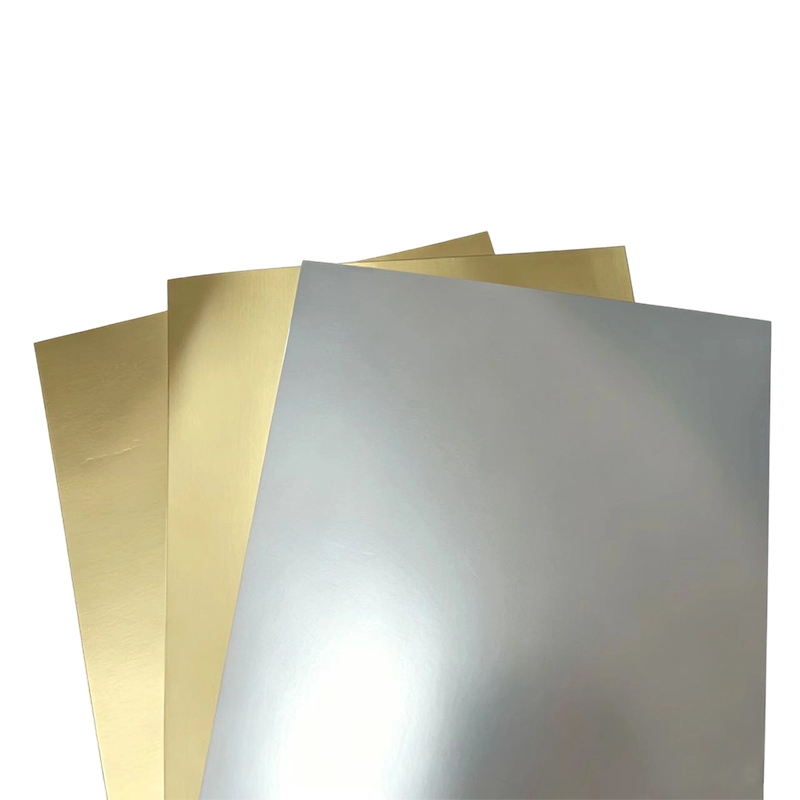
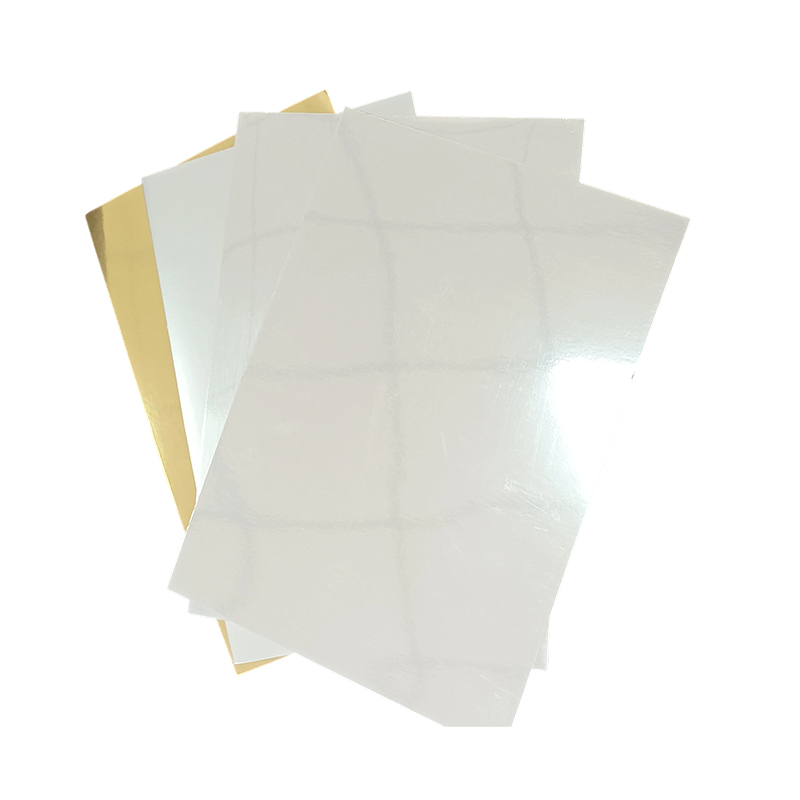
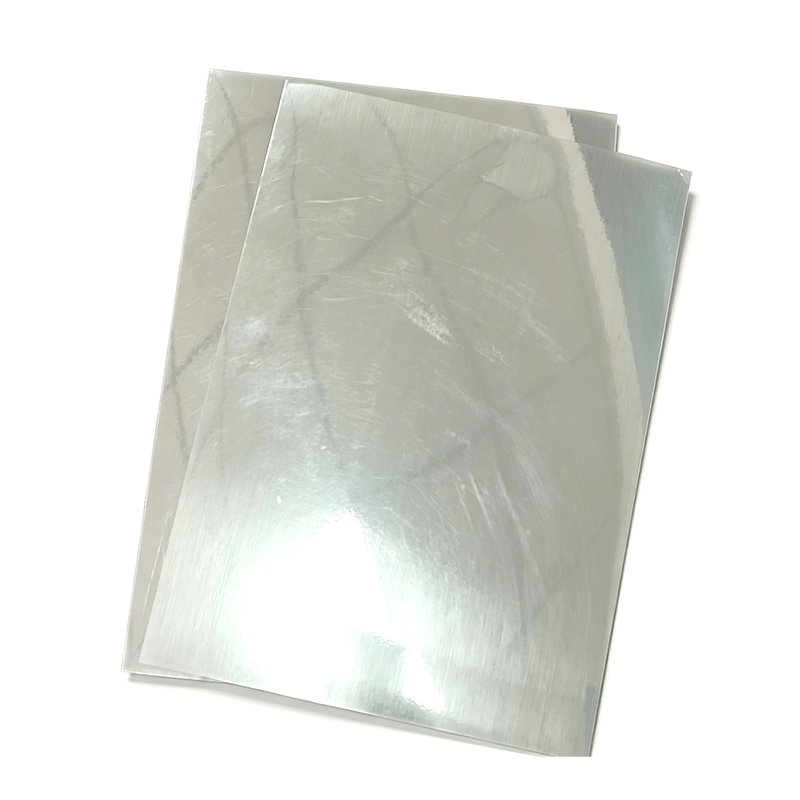
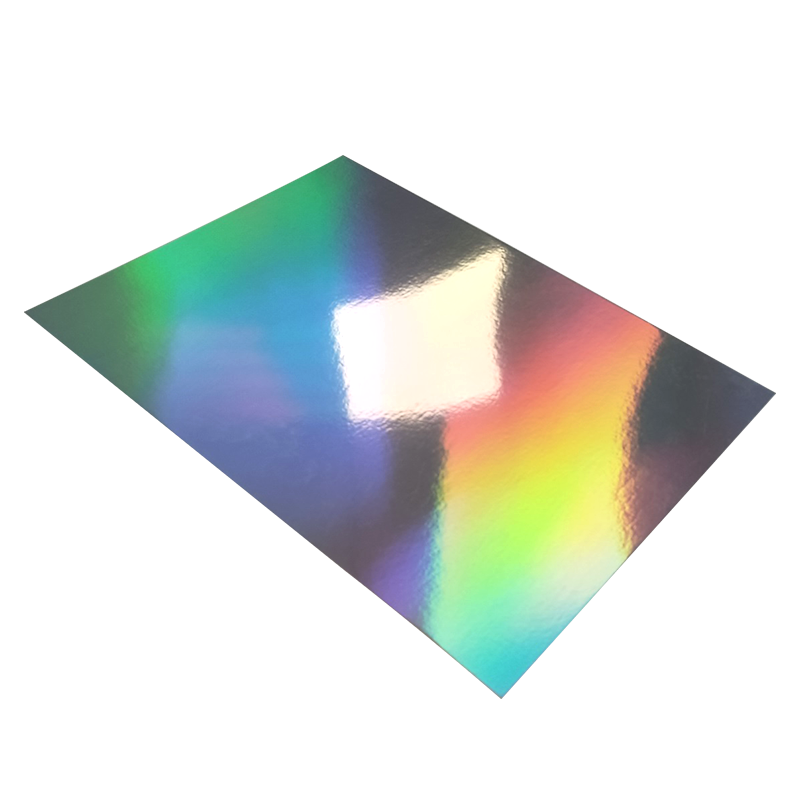
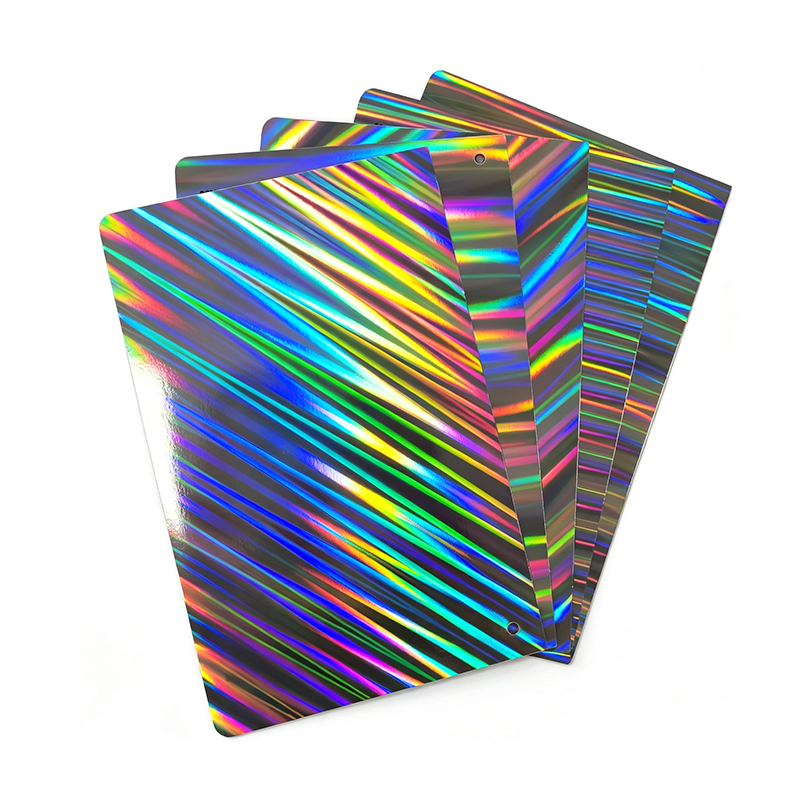
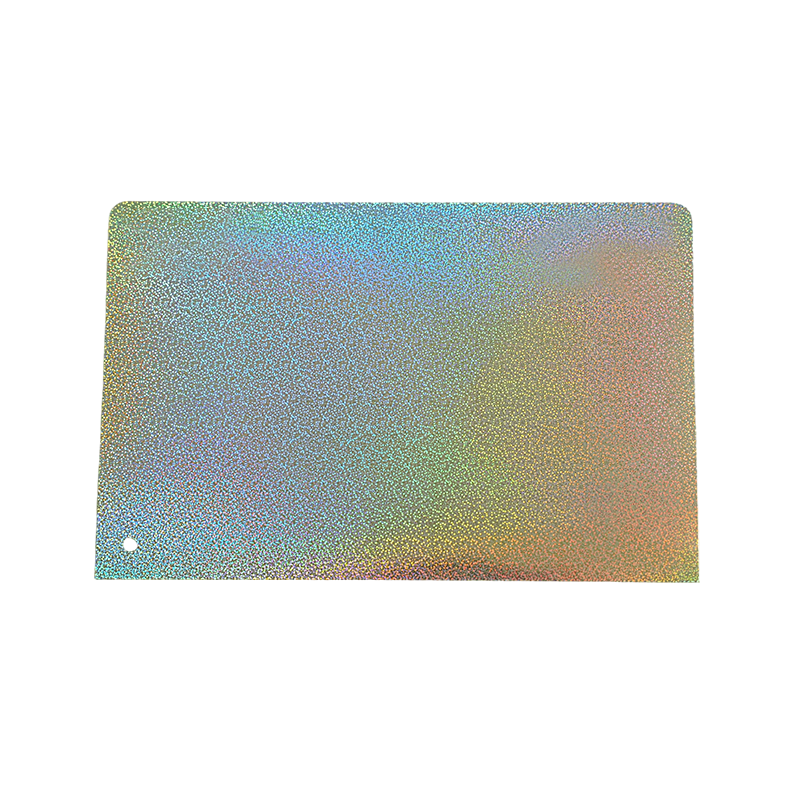
Customized holographic paper and A4 silver glitter card solve two different design problems, even though buyers often shop for both at once. Holographic paper uses a microscopic diffraction pattern embossed into a foil or film layer, so it shifts color and shine as the viewing angle changes — the rainbow effect on packaging, gift wrap, and premium labels. Glitter card, by contrast, has a fixed sparkle: fine glitter particles are bonded to a paper or cardstock base with adhesive and a protective coating, giving consistent shimmer from any angle rather than a shifting rainbow.
Holographic paper is chosen when movement and light-shift are the selling point — think gift bags, cosmetic packaging, or event signage designed to catch the eye under changing light. Glitter card is chosen for structural, cuttable projects — greeting cards, die-cut shapes, scrapbook layers — where the material needs to hold a crease or go through a cutting machine without the surface pattern distorting.
Customization Options for Holographic Paper
"Customized" holographic paper generally refers to a combination of the following variables, and specifying them clearly avoids most order mismatches:
- Pattern type — dot, line, laser rainbow, or a custom diffraction design produced from client artwork
- Base material — PET film laminated to paper, or direct foil transfer onto cardstock, which changes both cost and stiffness
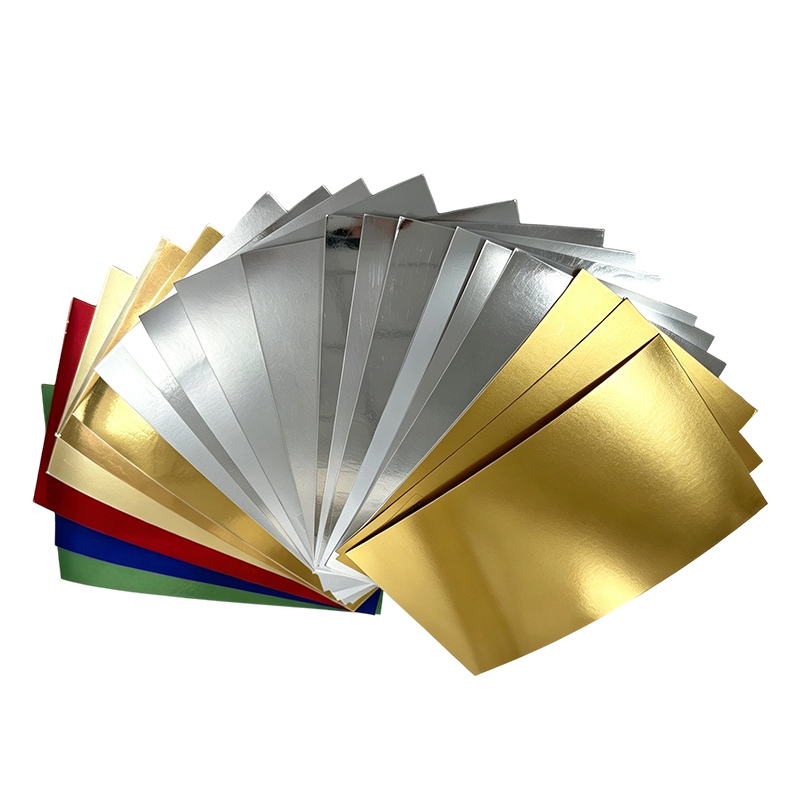
- Color base — silver, gold, or a tinted holographic layer, which shifts how vivid the rainbow effect appears
- Sheet size or roll format — A4 and A3 sheets for small-batch or craft use, roll format for packaging lines
For printed branding on top of the holographic layer, uncoated or lightly coated holographic paper takes offset or digital print better than heavily laminated versions, which can resist ink adhesion.
A4 Silver Glitter Card: Weight, Finish, and Cutting Behavior
A4 silver glitter card is typically sold by paper weight, and weight changes how it behaves far more than most buyers expect:
| Weight (gsm) | Typical Use | Cutting Machine Suitability |
|---|---|---|
| 120-150 gsm | Gift wrap accents, layered backgrounds | Manual cutting preferred; too thin for most die-cut machines |
| 200-250 gsm | Greeting cards, invitations | Works with most home die-cut machines |
| 280-300 gsm | Standalone cards, tags, structural die-cuts | Best structural stability; may need higher blade pressure |
Common weight ranges for A4 silver glitter card and where each performs best.
Glitter shedding is the most common complaint with lower-quality card. A well-sealed glitter card has a thin protective top coat that locks particles in place, so it can be handled, folded, and cut without leaving loose glitter on hands or work surfaces. Checking for this sealed finish before ordering in bulk saves far more trouble than comparing price per sheet alone.
Choosing Between Holographic and Glitter Finishes for a Project
For buyers weighing both materials for the same project, three questions usually settle it:
- Does the piece need to be die-cut or folded? Glitter card holds a crease and cuts more predictably than laminated holographic film.
- Will the finished piece be viewed under moving or varied light, such as retail shelf lighting or outdoor signage? Holographic paper's angle-shifting effect reads better in these settings.
- Does printed text or a logo need to sit on top of the shimmer layer? Glitter card generally does not take fine print well due to surface texture; holographic paper with a lighter foil layer prints more cleanly.
Some product lines use both — a holographic outer wrap paired with a glitter card insert — to combine the light-shift effect on the outside with a stable, printable or writable surface inside.
Storage and Handling to Prevent Damage
Both materials are more sensitive to handling than standard cardstock, and improper storage is a common source of returns and reorders:
- Store sheets flat rather than rolled, since holographic film layers can develop permanent creasing that disrupts the diffraction pattern
- Keep away from direct sunlight and high humidity, which can degrade adhesive bonds on glitter card over time and cause particle shedding
- Interleave sheets with plain tissue or slip sheets during bulk shipping to prevent the textured glitter surface from transferring pressure marks onto adjacent sheets
For bulk orders shipped internationally, requesting moisture-resistant packaging at the factory stage is generally more reliable than trying to correct humidity damage after arrival.