English
  Español
  عربى
عربى 

Industry News
Content
What Is Brushed Silver Cardstock
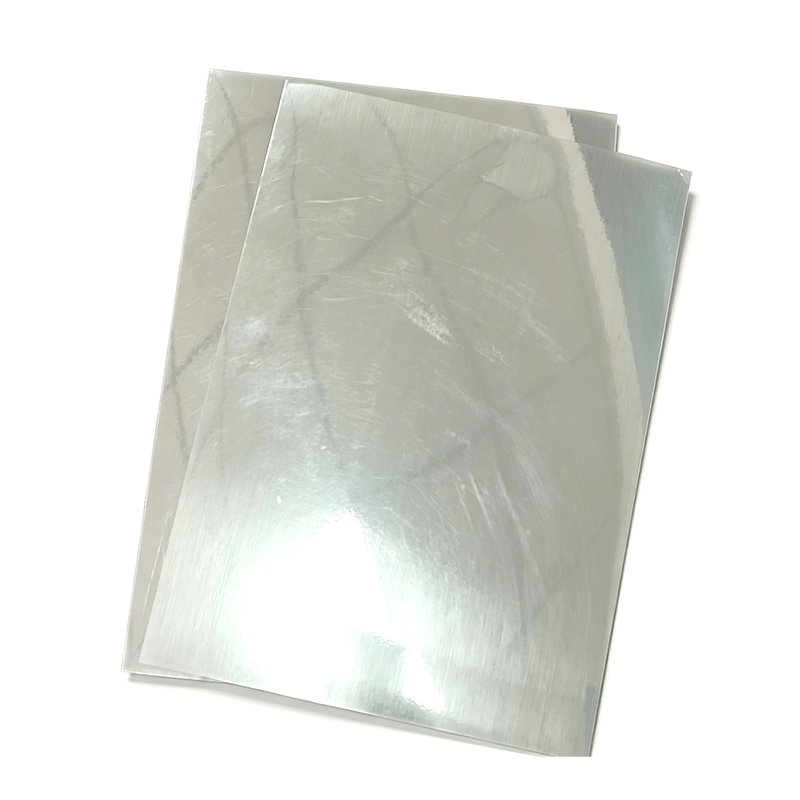
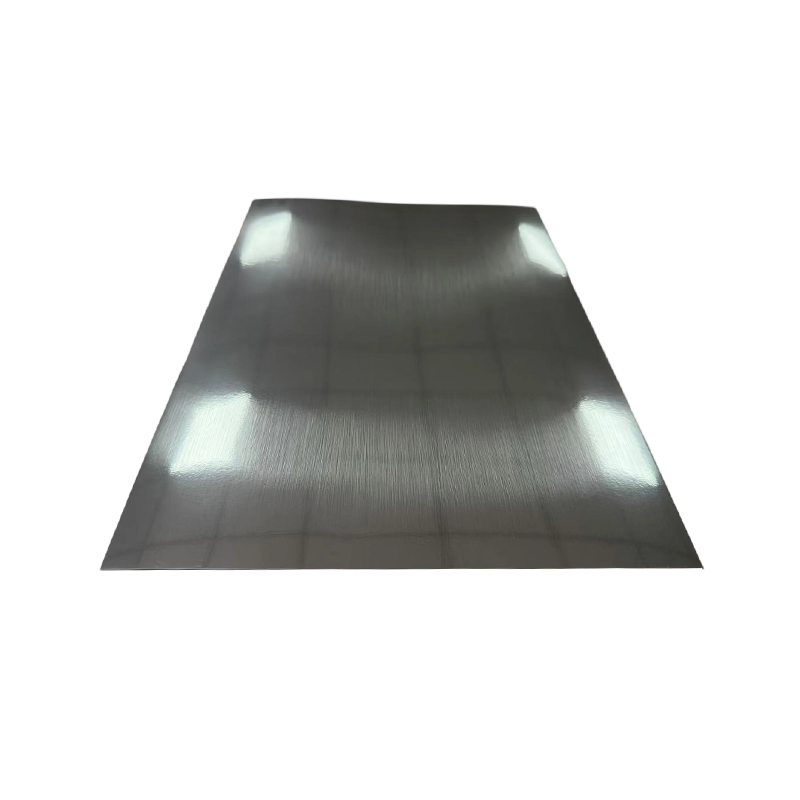
Brushed silver cardstock is a heavyweight paper product with a metallic silver surface finish that replicates the appearance of brushed or satin-finished metal. Unlike mirror-finish or glossy silver cardstock, which reflects light uniformly across the surface, brushed silver has a directional texture — fine parallel lines that scatter light slightly and produce the muted, sophisticated sheen associated with brushed stainless steel or aluminum. The effect is simultaneously metallic and restrained, making it a versatile choice for applications where high-impact visual presence is needed without the starkness of a full mirror surface.
The brushed finish is achieved through the surface coating process. A base paper substrate — typically 80 lb to 120 lb cardstock — receives a metallic coating, which is then textured through mechanical or embossing processes to create the characteristic linear grain. The coating may be applied to one side (single-sided) or both sides (double-sided) of the sheet, which affects usability for folded projects where both interior and exterior surfaces are visible.
Common Uses for Brushed Silver Cardstock
The combination of structural weight and premium metallic appearance makes brushed silver cardstock well suited to applications where the physical material itself contributes to the perceived quality of the finished piece:
- Wedding and event invitations: Silver cardstock is a perennial choice for formal invitation suites, particularly for winter, black-tie, and anniversary events. The brushed finish reads as more contemporary than mirror silver, making it work across both classic and modern design aesthetics.
- Business cards: A brushed silver business card creates a tactile and visual impression that standard coated cardstock cannot match. It is commonly used in industries where material sophistication signals brand positioning — jewelry, architecture, luxury retail, and financial services.
- Product packaging and hang tags: Silver cardstock adds perceived value to retail packaging for cosmetics, accessories, and premium consumer goods. Hang tags in brushed silver communicate product tier without requiring additional embellishment.
- Holiday and seasonal cards: Silver is one of the dominant color palettes for Christmas, New Year, and winter-themed cards and decorations. Brushed silver cardstock provides a neutral metallic base that pairs equally well with white, black, red, blue, and gold accent printing.
- Award certificates and plaques: The material weight and finish of brushed silver cardstock lend themselves to certificates and formal recognition documents that need to feel more substantial than standard office paper.
- Scrapbooking and paper crafts: The texture and reflective quality of brushed silver cardstock adds dimension to mixed-media layouts, card making, and decorative paper projects without requiring additional embellishment.
Weight and Thickness: Choosing the Right Specification
Cardstock weight directly determines how the finished piece feels in the hand and how it performs through printing, cutting, and folding processes. Brushed silver cardstock is commercially available across a range of weights, each suited to different applications:
| Weight (US) | GSM (approx.) | Typical Use | Foldability |
|---|---|---|---|
| 65 lb cover | ~175 gsm | Lightweight cards, inserts | Good with scoring |
| 80 lb cover | ~216 gsm | Invitations, greeting cards | Good with scoring |
| 100 lb cover | ~270 gsm | Business cards, packaging | Requires scoring |
| 120 lb cover | ~325 gsm | Premium business cards, tags | Score and fold carefully |
For folded applications — cards, envelopes, tent cards — scoring along the fold line before folding is strongly recommended for any weight above 65 lb. The metallic coating on brushed silver cardstock is less flexible than uncoated paper fiber, and folding without scoring can cause the coating to crack or flake along the fold line, particularly on heavier weights. A bone folder or scoring tool run along a ruler against the intended fold line produces a clean, crack-free fold.
Printing on Brushed Silver Cardstock
Printing on metallic cardstock requires more consideration than printing on standard white or colored stock. The reflective surface, non-porous coating, and base color all affect how printed ink appears and adheres.
Inkjet Printing
Most brushed silver cardstock is not compatible with standard inkjet printers. Inkjet ink requires an absorbent surface to bond and dry; the metallic coating on silver cardstock is non-porous and causes inkjet ink to bead, smear, or remain tacky indefinitely. Some specialty metallic cardstocks are produced with an inkjet-receptive topcoat, which is explicitly noted in the product description — these are the exception rather than the rule. Before attempting inkjet printing, confirm the product is specifically rated as inkjet-compatible.
Laser Printing
Laser printing on brushed silver cardstock is more reliable than inkjet, because laser toner is fused to the surface by heat rather than absorbed into the substrate. However, results vary by printer and cardstock product. The primary concern is whether the cardstock weight falls within the printer's rated media thickness range — feeding heavy stock through a laser printer not rated for it risks paper jams and, in some cases, damage to the fuser roller. Most home and small-office laser printers handle up to 90–100 lb cover (approximately 245 gsm); heavier weights require a printer with a straight paper path and a higher media weight rating.
Color accuracy is also affected by the silver base. CMYK inks printed over a silver surface take on a tinted, slightly translucent quality — standard process colors appear darker and more muted than they would on white stock. White ink, which standard CMYK laser printers cannot produce, reads as silver on a silver background. For designs requiring white text or elements, a white foil stamp, screen-printed white ink, or a design that uses the silver background as white space is the practical solution.
Commercial Printing Methods
For professional or production-volume applications, several printing methods perform well on brushed silver cardstock:
- Digital offset (UV printing): UV-cured inks adhere to non-porous metallic surfaces effectively and dry instantly under UV light, eliminating the absorption requirement. UV printing is a common commercial method for metallic cardstock and produces vivid, durable results including opaque white ink.
- Screen printing: Suitable for simple, high-contrast designs with a limited number of colors. Screen printing applies thick, opaque ink layers that read clearly on silver backgrounds, including white, black, and metallic colors.
- Foil stamping: A complementary process to printing on silver cardstock rather than a substitute — foil stamping applies a thin metallic or colored foil layer under heat and pressure, producing designs with a different reflective quality than the brushed silver base. Gold foil on brushed silver is a particularly common and visually effective combination for luxury applications.
- Laser engraving and cutting: Brushed silver cardstock cuts cleanly with laser cutters, producing precise edges and detailed cutwork patterns without the fraying that can occur on uncoated paper. Laser engraving can also selectively remove or char the metallic coating to create contrast designs.
Brushed Silver vs Mirror Silver vs Glitter Cardstock
Silver cardstock is available in several distinct surface finishes, and the differences between them are more than cosmetic — they affect light behavior, printability, and the design contexts where each works best.
Brushed silver has a directional linear texture that produces a soft, diffused sheen. It reads as refined and contemporary, works well in both formal and modern design contexts, and has lower glare than mirror finishes — making it easier to photograph for product or invitation photography.
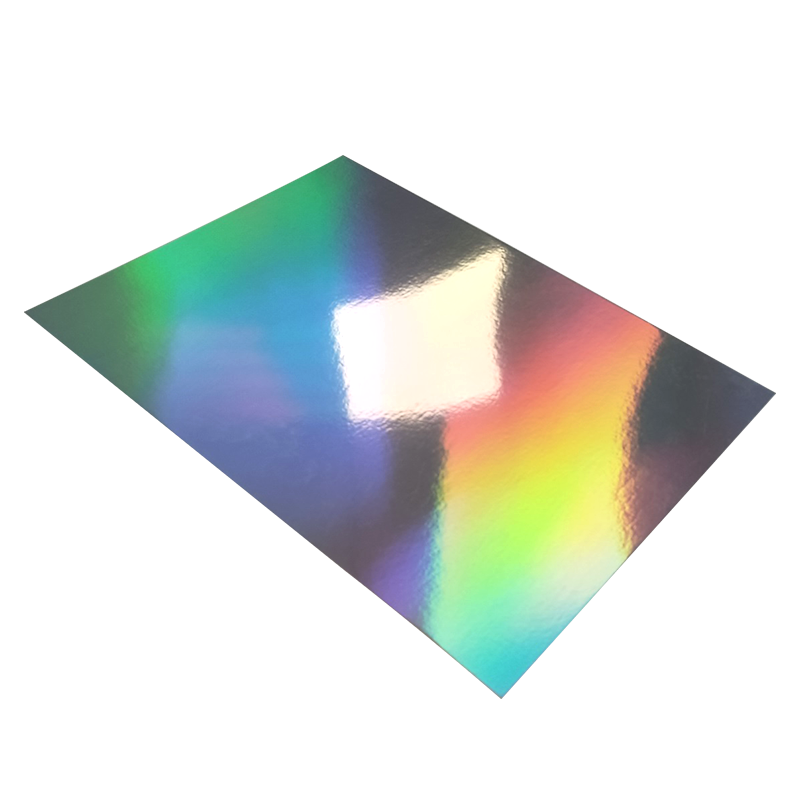
Mirror silver (also called high-gloss or holographic silver) has a smooth, highly reflective surface that produces near-mirror reflection. The visual impact is higher at a distance but can read as harsh or overly commercial in close-contact applications like business cards or invitations. Mirror finishes show fingerprints and handling marks more readily than brushed finishes.
Glitter cardstock contains embedded metallic particles or flakes in a coating that scatters light in multiple directions, producing a sparkle effect rather than a directional sheen. Glitter cardstock sheds particles — this is a practical concern for any application where the finished piece will be handled, mailed, or packaged, as loose glitter transfers easily to other surfaces. It is most appropriate for decorative craft applications where shedding is acceptable.
For most professional print and stationery applications, brushed silver is the most versatile and practical choice of the three: it provides clear metallic visual presence, tolerates handling better than mirror finishes, and doesn't shed material like glitter variants.
Buying and Storing Brushed Silver Cardstock
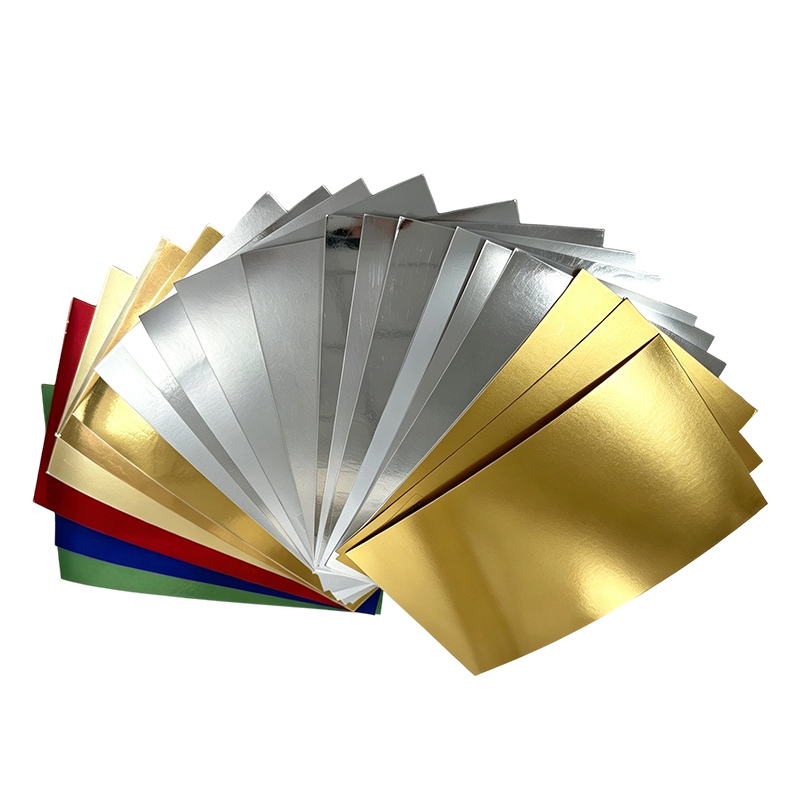
Brushed silver cardstock is available from specialty paper suppliers, craft retailers, and wholesale paper distributors in sheet and ream quantities. For small projects, 8.5 × 11 inch sheets in packs of 25–50 are the most common consumer format. For commercial or production use, 12 × 12 inch sheets (suited to larger card formats and die-cutting), tabloid (11 × 17 inch), and full press sheets are available from trade paper suppliers.
When buying, confirm whether the product is single- or double-sided. Single-sided sheets have the metallic finish on one face and a plain or lightly coated reverse — acceptable for flat applications but visible on folded pieces where the interior surface shows. Double-sided sheets carry the metallic finish on both faces at a higher cost, but produce a more finished result for folded cards, boxes, and envelopes.
Storage affects long-term quality. Brushed silver cardstock should be stored flat, away from humidity and direct sunlight. The metallic coating can tarnish or discolor with prolonged UV exposure, and moisture causes the paper substrate to warp while the coating remains rigid — producing a buckled sheet that feeds poorly through printers and cutters. Keeping unopened reams in their original packaging and storing in a cool, dry environment preserves the stock effectively for extended periods.