English
  Español
  عربى
عربى
Home / News / Industry News / Metallic Cardstock: Types, Weights, Printing & Project Selection Guide
Industry News


Content
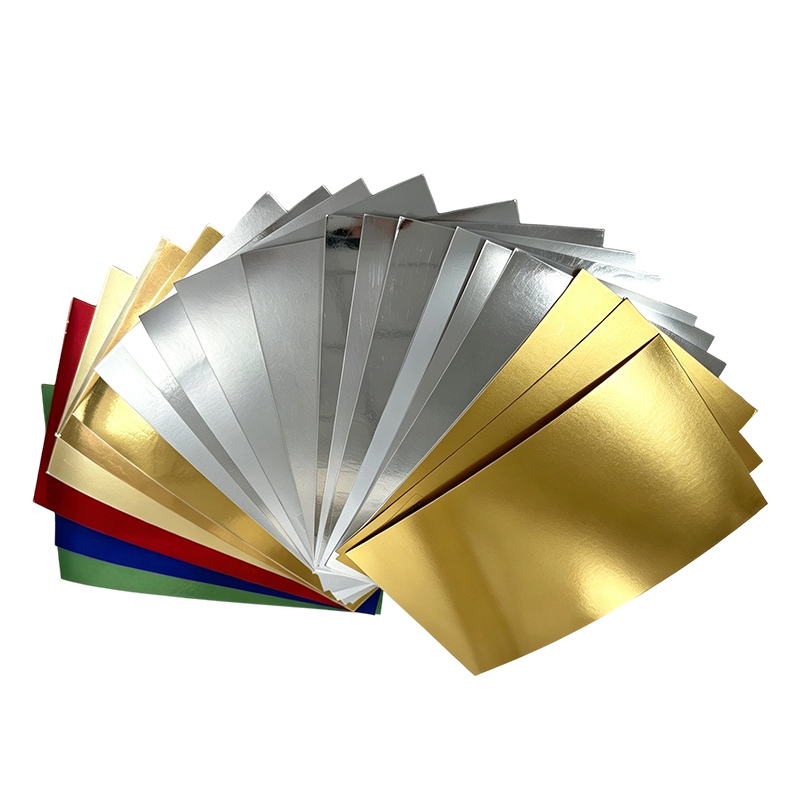
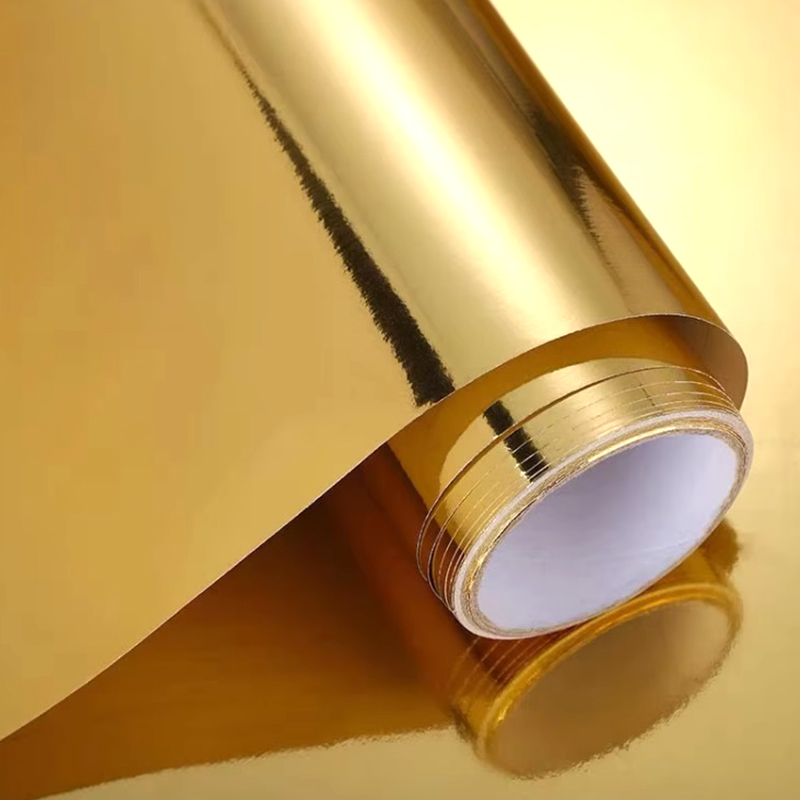
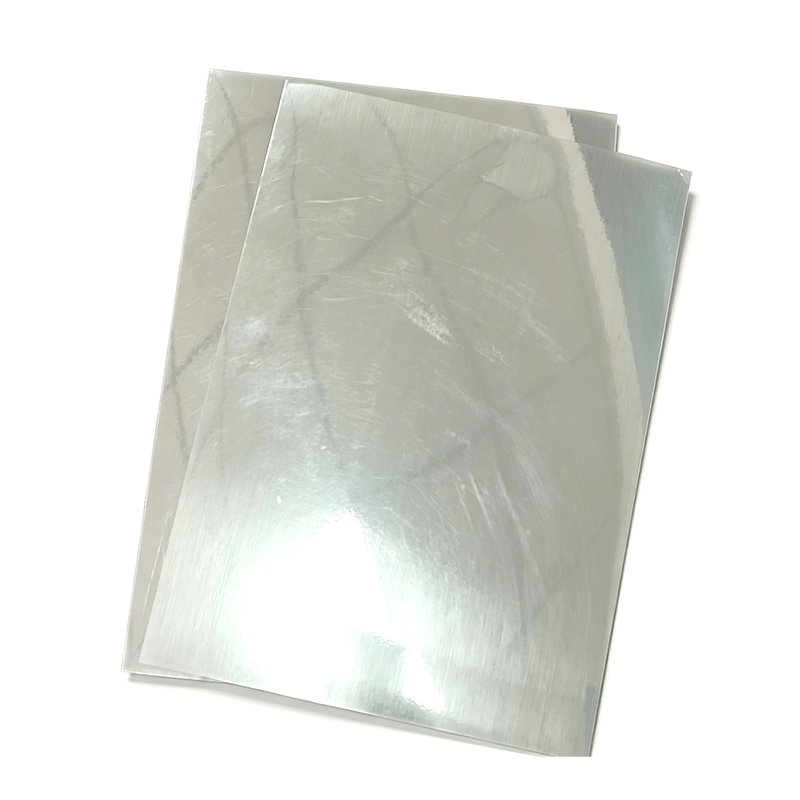
Metallic cardstock is a heavy paper stock with a shimmering, reflective surface finish produced by embedding metallic pigments into the paper coating or applying a thin metallic layer during manufacturing. Unlike standard cardstock, which has a flat matte or satin surface, metallic cardstock reflects light in a way that gives printed and handcrafted pieces a premium, luminous appearance.
The metallic effect comes from one of two production methods. In pigment-coated metallic cardstock, fine metallic particles are mixed into the surface coating before the sheet is calendered to a high gloss. In metallized or vacuum-deposited cardstock, a microscopically thin layer of aluminum is vapor-deposited onto the paper substrate and then coated with a transparent lacquer for protection. Both methods produce a reflective sheen, but the metallized process yields a more mirror-like finish.
Common applications span a wide range: wedding invitations, greeting cards, luxury retail packaging, hang tags, scrapbooking, event signage, and die-cut ornaments. The consistent thread across these use cases is the need for visual impact — metallic cardstock signals quality and craftsmanship in a way plain stock cannot replicate.
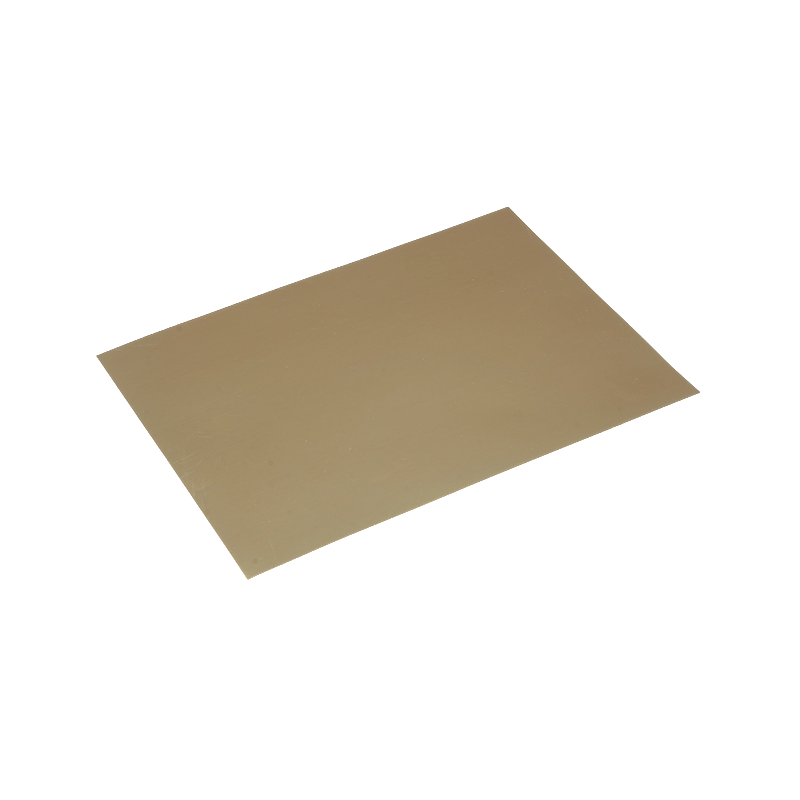
The differences between metallic and regular cardstock go beyond surface appearance and affect how each stock handles printing, cutting, folding, and adhesion.
| Property | Regular Cardstock | Metallic Cardstock |
|---|---|---|
| Surface finish | Matte, satin, or gloss | Pearlescent or mirror sheen |
| Ink absorption | High (especially uncoated) | Low — coated surface resists absorption |
| Color rendering | Neutral, predictable CMYK output | Underlying metallic tint shifts perceived color |
| Foldability | Clean score lines | Prone to cracking without scoring |
| Cost | Lower | Typically 2–4× higher per sheet |
| Best for | High-volume general printing | Premium, low-volume statement pieces |
One practical point worth emphasizing: metallic cardstock requires longer ink dry times on desktop inkjet printers due to its low-absorption surface. Smearing is a common complaint when users pull sheets immediately from the output tray. Allowing 3–5 minutes of dwell time before handling largely eliminates this issue.
These two terms are frequently confused, but they describe fundamentally different products produced by different processes.
Metallic cardstock is a base paper stock whose entire surface carries a metallic finish. The shimmer is part of the paper itself, and the whole sheet reflects light uniformly. You print on it, cut it, fold it, and emboss it just as you would any coated stock — the metallic quality is an intrinsic paper property.
Foil cardstock is typically a standard cardstock onto which a metallic foil has been applied — either across the entire surface (foil-laminated board) or in specific areas via hot foil stamping. Hot foil stamping uses a heated die and a roll of metallic foil film pressed under pressure to transfer the foil only where the die makes contact. The result is a sharp, high-gloss metallic accent on an otherwise non-metallic base stock.
The practical implications are significant:
In short: if you need home-printable metallic sheets, choose metallic cardstock. If you want targeted, ultra-reflective metallic accents on specific design elements and have access to a print vendor, foil stamping on standard stock is the more premium route.
Paper weight is one of the most misunderstood specifications in cardstock selection. Two systems are in widespread use: GSM (grams per square meter), the international standard, and lb Cover (pounds cover weight), commonly used in North America. These are not interchangeable without conversion.
The confusion deepens because the US "lb" system uses different basis sizes for different paper categories. A 65 lb cover stock and a 65 lb text stock are not the same weight — cover weight is measured on a 20×26 inch basis sheet, while text weight uses an 18×24 inch sheet. A 65 lb cover (approximately 176 GSM) feels noticeably stiffer than 65 lb text (approximately 96 GSM).
For metallic cardstock specifically, the most common weights and their typical applications are:
Printer compatibility is weight-dependent. Most consumer inkjet and laser printers specify a maximum media weight — typically 90–110 lb cover (approximately 243–298 GSM). Feeding heavier metallic board through a desktop printer risks paper jams and roller damage. Always verify the printer's maximum media weight specification before purchasing heavy metallic stock for in-house printing.
Printing on metallic cardstock successfully comes down to ink type, printer settings, and feed path. The low-absorption coated surface that gives the stock its shimmer is exactly what makes standard printing approaches fall short.
Inkjet is the most accessible option for home and small-office use. Key adjustments:
Laser printers fuse toner using heat and pressure. Not all metallic cardstock is laser-safe. The heat from the fuser unit (typically 150–200°C) can cause some metallic coatings to blister, flake, or offset onto the fuser roller, damaging the printer. Only use metallic cardstock that is explicitly labeled as laser-compatible. When in doubt, test a single sheet before running a full job, and check the paper type setting — most laser printers have a "Heavy" or "Cardstock" mode that reduces fuser temperature and feed speed.
For production-volume runs, offset lithography on metallic stock requires UV-curable or oil-based inks specifically formulated for coated non-porous surfaces. UV offset printing is the commercial standard for metallic cardstock jobs — UV inks cure instantly under ultraviolet light rather than absorbing into the substrate, producing vivid, rub-resistant results. Digital toner-based presses (HP Indigo, Xerox iGen) also perform well on metallic stock when equipped with appropriate surface primers.
Wedding invitations represent one of the highest-volume applications for metallic cardstock, and the selection criteria are more specific than for general craft use.
Weight: The standard recommendation is 80 lb cover (216 GSM). This weight feels substantial in the hand, folds cleanly with a bone folder and score line, and meets USPS weight thresholds for standard letter postage (under 1 oz for the invitation suite). Heavier 100 lb cover works beautifully for flat cards but adds postal weight when combined with envelopes and inserts.
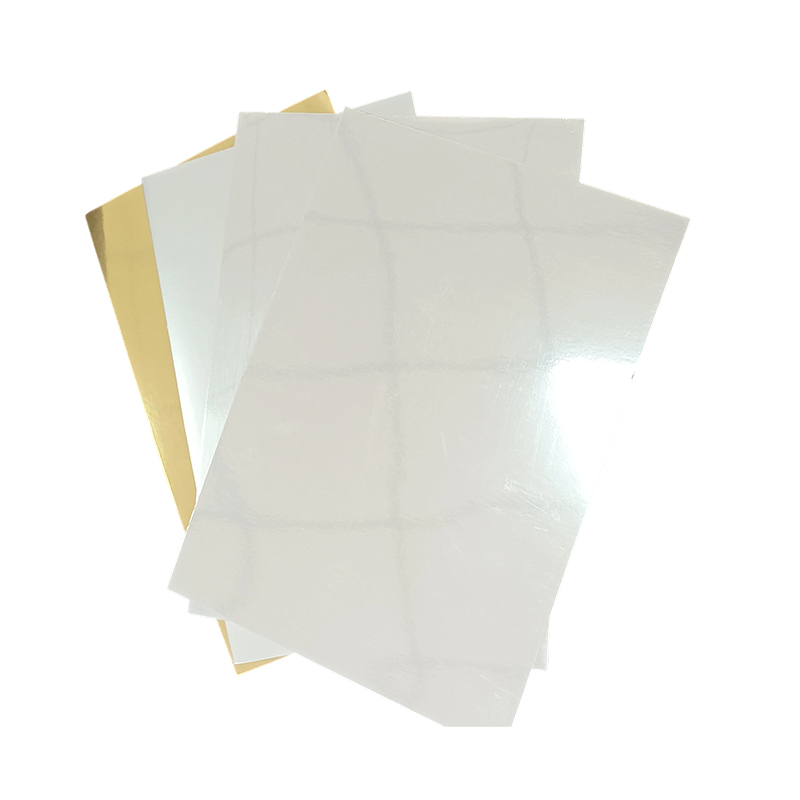
Finish type: Pearlescent metallic finishes (also called pearl or shimmer) are more forgiving than mirror-finish stock for invitation use. They reflect light with a soft iridescence rather than a hard mirror glare, which makes them easier to read under varying lighting conditions — important for text-heavy invitation designs. True mirror-bright metallic stock is visually striking but can cause eyestrain when reading dense script or serif text.
Color: Champagne and warm pearl tones complement traditional invitation color palettes most naturally. Silver metallic reads cooler and pairs well with navy, black, and jewel tone designs. Gold metallic (discussed further below) adds warmth and is the most classic choice for formal invitations.
Printing method for DIY: For at-home printing, use a pigment inkjet printer on a pearl or shimmer metallic stock rather than a high-gloss mirror stock. Mirror-finish metallic is extremely difficult to print on successfully with consumer printers — ink beads and smears. Pearl finish provides enough surface texture for ink to adhere while still delivering the desired shimmer effect.
In retail and product packaging, metallic cardstock performs a specific commercial function: it signals premium positioning before the consumer has opened the box. Research in consumer psychology consistently shows that packaging material weight and finish directly influence perceived product value — a 2019 study in the Journal of Retailing and Consumer Services found that tactile packaging cues (weight, texture, reflectivity) increased willingness-to-pay by 12–18% for identical products.
For packaging applications, the weight and structural requirements differ from stationery:
A practical note on adhesives: standard water-based adhesives perform poorly on fully coated metallic surfaces. Solvent-based or hot-melt adhesives are required for reliable bonding in packaging assembly.
Metallic cardstock responds exceptionally well to embossing and die cutting — two of the most common finishing techniques in paper crafting and invitation design — but requires more care than standard uncoated stock.
Both dry embossing (using a stylus and embossing folder to mechanically raise the surface) and heat embossing (applying embossing powder over wet ink and setting with a heat gun) work well on metallic cardstock. Heat embossing in particular produces a striking effect on metallic stock — the raised embossed design catches light differently from the surrounding metallic surface, creating a dimensional, tone-on-tone shimmer effect without requiring any additional metallic powder.
When dry embossing, use a light box or light pad to align the embossing folder precisely, and run the cardstock through the embossing machine at a firm but not maximum pressure setting. Excess pressure on heavier metallic stock can crack the coating at the embossed edges.
Metallic cardstock cuts cleanly with both manual die cutting machines (Sizzix, Cricut Cuttlebug) and digital cutting machines (Cricut Maker, Silhouette Cameo). Important adjustments:
The choice between gold and silver metallic cardstock is partly aesthetic and partly functional, and the decision has downstream effects on ink color selection and readability.
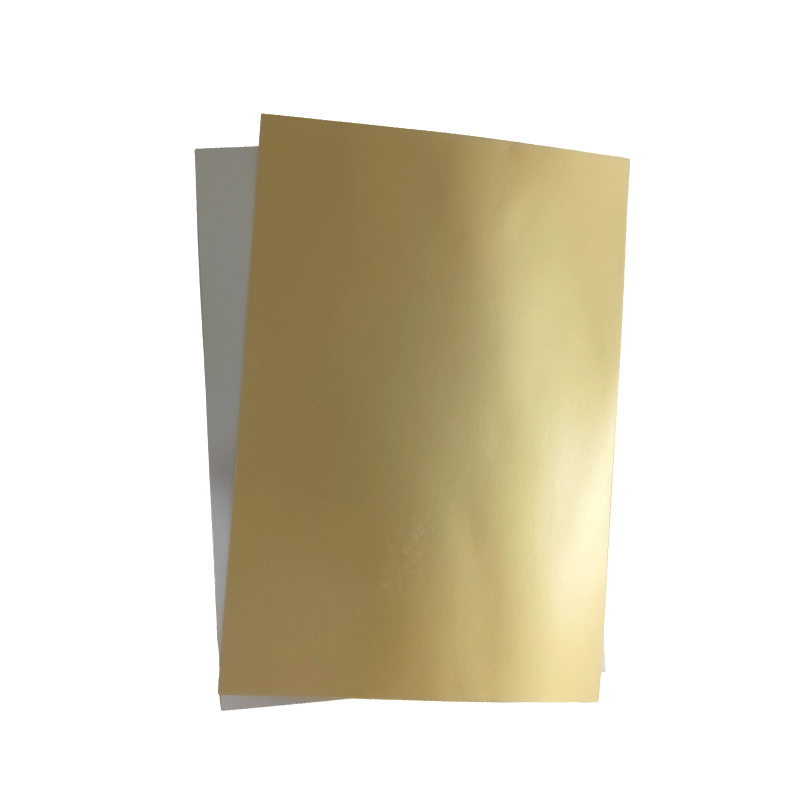
Gold metallic cardstock has a warm yellow-toned base that enriches warm ink colors — deep burgundy, navy, forest green, and black all read beautifully against gold. White ink on gold metallic produces an elegant, high-contrast result widely used in formal wedding stationery. However, gold's warm undertone can muddy cool colors: pastel blues and greens can take on a slightly greenish or brassy cast when printed on gold metallic stock.
Silver metallic cardstock has a cool, neutral base that supports a wider range of ink colors without tonal interference. Blue, purple, black, and white inks all remain true on silver. Silver is also more versatile for corporate and product packaging applications, where brand color accuracy is non-negotiable.
From a trend standpoint, rose gold metallic cardstock emerged as a dominant choice in the 2015–2020 wedding and stationery market and remains widely used for contemporary romantic aesthetics. Gunmetal and charcoal metallic have grown in popularity for modern minimalist and editorial design directions.
Functionally, gold and silver metallic stocks perform identically in terms of printing behavior, embossing response, and die cutting characteristics. The selection is purely about the final visual result.
Selecting the right metallic cardstock requires matching five key variables to the project's requirements: weight, finish type, color, printing method, and post-press finishing needs.
1. Define the primary application first. Wedding invitations, luxury packaging, craft projects, and commercial print runs have different priority criteria. Invitations prioritize elegant hand feel and home-printability; packaging prioritizes structural integrity and adhesive compatibility; craft projects prioritize workability with manual tools.
2. Match weight to function. Use the weight guide above: 65–80 lb cover for folded and mailed pieces; 80–100 lb cover for flat statement cards and signage; 100 lb cover and above for rigid packaging and high-end hangtags.
3. Choose finish type based on printing needs. If you plan to print at home on an inkjet printer, select pearl or shimmer finish — not mirror finish. If printing through a professional UV offset vendor, mirror finish is achievable. If not printing at all (pure die-cut craft applications), mirror finish is perfectly workable.
4. Test before committing to a full order. Most specialty paper suppliers offer sample packs in the 10–50 sheet range. Run a full test workflow — print, score, fold, emboss, cut — on the sample before ordering project quantities. Metallic cardstock varies significantly between brands and even between production lots from the same supplier.
5. Account for waste. Due to the higher cost per sheet and the learning curve of printing on coated metallic surfaces, plan for a 15–20% overage in your order quantity for any printing or cutting project. Misprints and misfeeds are more common on metallic stock than on standard cardstock, particularly during the first few sheets of a print run while dialing in settings.