English
  Español
  عربى
عربى 

Industry News
Content
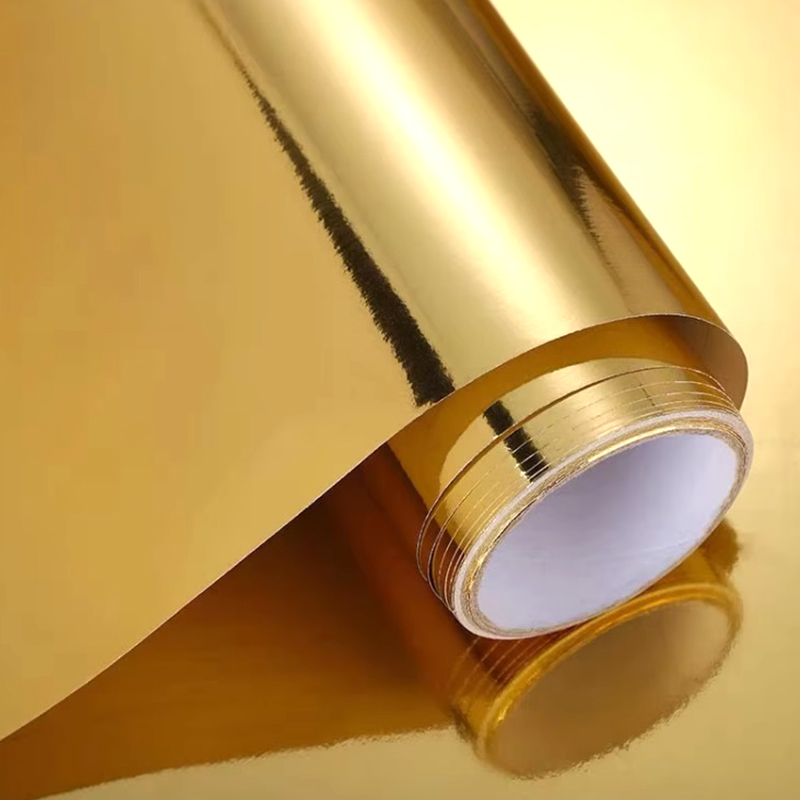
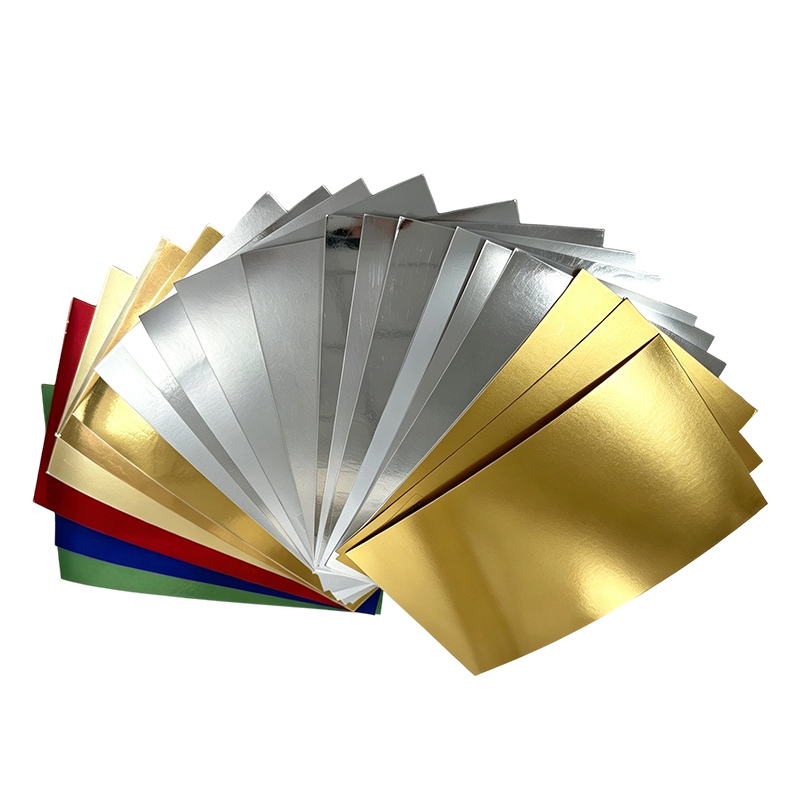
Metallic gold cardstock delivers premium visual impact through reflective surface treatments that catch light and create depth, while matte gold cardstock offers sophisticated elegance without glare. Gold paper cardstock spans a spectrum from lightweight 80lb text suitable for layering to heavy 130lb cover capable of standing alone as rigid invitations or business cards. The optimal choice depends on printing method compatibility, desired tactile impression, and end-use structural requirements.
Understanding Metallic Gold Cardstock Properties
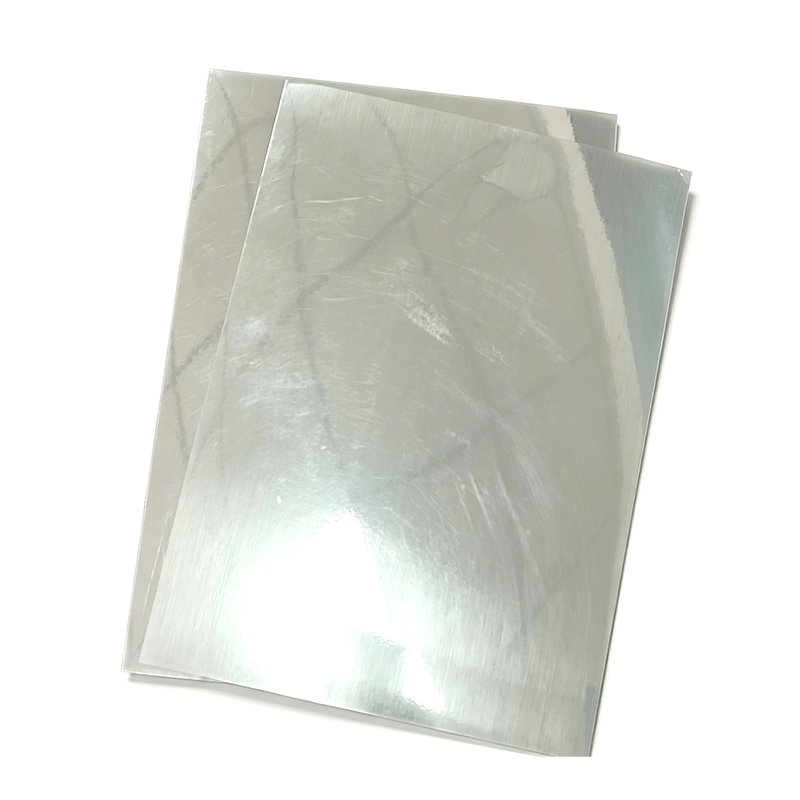
Metallic gold cardstock derives its shimmer from mica-based coatings or metalized films laminated to paper substrates. These specialized finishes create a mirror-like effect that shifts with viewing angle, making them ideal for luxury packaging and high-end invitations.
Substrate Construction and Durability
Quality metallic gold cardstock consists of multiply construction with a white or cream base layer providing structural integrity. The metalized layer typically measures 12 to 25 microns in thickness, bonded through thermal lamination rather than adhesive application to prevent delamination during scoring or folding. Premium grades withstand scoring radii as tight as 2mm without cracking, while economy options may require 5mm minimum bend radii to maintain surface integrity.
Light Reflectance Characteristics
Specular reflectance values for metallic gold cardstock range from 45 to 85 gloss units at 60 degrees, compared to 5 to 15 units for matte alternatives. This high reflectance creates visual drama but presents challenges for readability. Text printed directly on metallic surfaces without white underprinting achieves contrast ratios below 3:1, failing accessibility standards for small type. Designers typically employ white ink bases or foil stamping to ensure legibility.

Gold Paper Cardstock Weight Classifications
Paper weight terminology creates confusion among buyers, as different measurement systems apply to text versus cover stocks. Understanding these distinctions ensures appropriate material selection for specific applications.
| Weight Designation | GSM Equivalent | Thickness (mm) | Primary Applications |
|---|---|---|---|
| 80lb Text | 118 | 0.13 | Brochure inserts, envelope liners |
| 100lb Text | 148 | 0.16 | Premium letterheads, program pages |
| 80lb Cover | 216 | 0.23 | Business cards, postcard backs |
| 100lb Cover | 270 | 0.28 | Invitation cards, certificate holders |
| 130lb Cover | 350 | 0.38 | Luxury packaging, rigid boxes |
Cover weight stocks provide the rigidity necessary for self-supporting applications, while text weights offer flexibility for multi-page documents. Converting between pound designations and GSM measurements ensures accurate specification when sourcing from international suppliers.
Matte Gold Cardstock: Subtle Sophistication
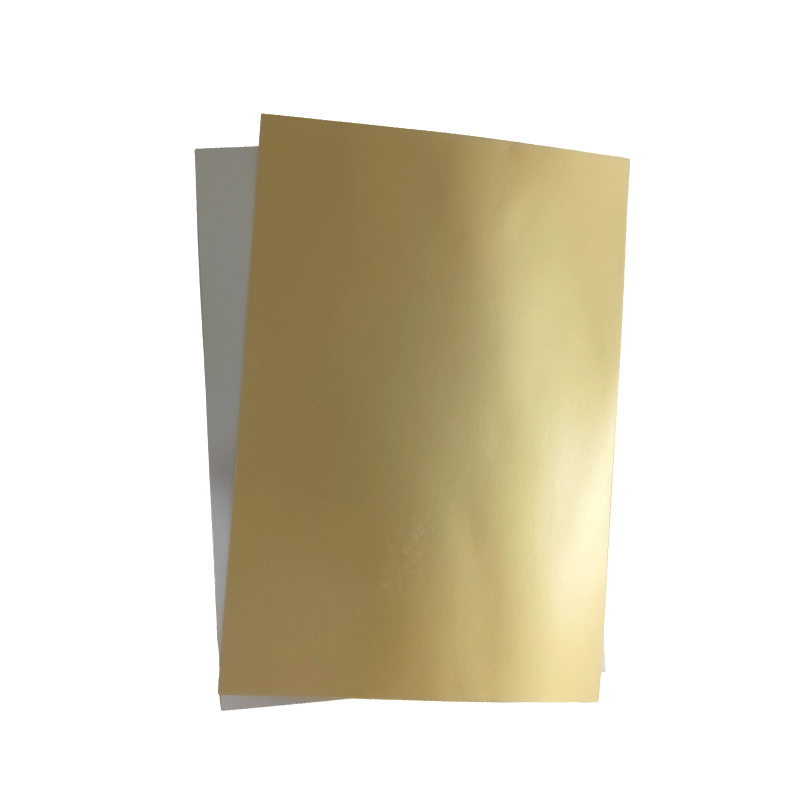
Matte gold cardstock occupies the middle ground between metallic flash and flat color, offering warmth and richness without reflective distraction. This finish category has gained significant market share in corporate identity systems and minimalist design applications.
Surface Treatment Technologies
True matte gold finishes result from either pigment saturation in uncoated stocks or silk-screened matte coatings over metallic bases. The former provides better writability and ink absorption, while the latter maintains underlying shimmer beneath the matte veil. Uncoated matte gold stocks typically absorb 15-20% more ink than coated alternatives, requiring adjusted press profiles to prevent color shift.
Printing Performance Advantages
Matte surfaces eliminate the registration challenges associated with metallic substrates. Laser printing succeeds on matte gold cardstock with standard fuser temperatures, whereas metallic stocks often require 10-15 degree reductions to prevent coating adhesion to fuser rollers. Inkjet compatibility similarly improves, with matte stocks accepting pigment inks without the beading common on non-porous metallic surfaces.
Printing Method Compatibility
Not all gold cardstock varieties accept printing treatments equally. Matching substrate to production method prevents costly errors and quality failures.
Offset lithography performs reliably on all gold cardstock types when using oxidative-curing inks and spray powder to prevent offsetting. UV-curable inks adhere poorly to uncoated matte stocks but bond excellently to metallic surfaces. Digital toner systems require specific temperature management, with metallic stocks demanding fuser temperatures below 160 degrees Celsius to prevent surface damage.
Foil stamping and embossing achieve superior results on smooth metallic gold cardstock, with foil adhesion strength measuring 2-3 N/cm higher than on textured alternatives. Debossing into matte stocks creates elegant shadow effects that metallic surfaces cannot replicate due to their uniform reflectance.
Application-Specific Selection Guidelines
Strategic material selection aligns substrate properties with end-use functional requirements and aesthetic objectives.
Wedding and social stationery traditionally favor metallic gold cardstock in 100lb to 110lb cover weights for invitation cards, paired with matching text weight for enclosures. The reflective quality signals celebration and formality under varied lighting conditions. Corporate holiday cards increasingly adopt matte gold cardstock to convey understated elegance while maintaining professional tone.
Packaging applications require structural analysis beyond surface appearance. Folding cartons demand cardstock with minimum 20% stretch at score lines to prevent cracking. Metallic coatings reduce this elongation capacity by 30-40% compared to uncoated stocks, necessitating either heavier weights or specialized folding equipment with scoring capabilities.
Archival and Preservation Considerations
Memory books and archival projects require acid-free gold cardstock with pH levels between 7.5 and 9.5. Many metallic gold cardstocks contain alkaline buffers but lack lignin-free certification. Matte gold cardstock from cotton fiber bases offers superior longevity, with life expectancy exceeding 200 years under archival storage conditions versus 50-75 years for wood-pulp based metallic alternatives.
Sourcing and Quality Assessment
Evaluating gold cardstock quality requires examination beyond visual appearance to ensure production suitability.
Caliper consistency indicates manufacturing precision, with premium stocks maintaining ±5% thickness variation across a production lot. Inconsistent caliper causes feed registration problems in high-speed printing equipment. Moisture content should range between 4% and 6% for dimensional stability; excessive dryness creates static and cracking, while elevated moisture promotes curling and mold susceptibility.
Request sample sheets for testing with your specific production methods before committing to large quantities. Evaluate scoring behavior, adhesive compatibility, and lamination bond strength if your finishing processes include these operations. Establishing material specifications with measurable parameters prevents batch-to-batch variation that disrupts production schedules.