English
  Español
  عربى
عربى 

Industry News
Content
- 1 Conclusion: When to Use Metallic Cardstock
- 2 What Is Metallic Cardstock
- 3 Material Structure and Technical Properties
- 4 Printing Compatibility and Techniques
- 5 Applications in Packaging and Design
- 6 Advantages Compared to Standard Cardstock
- 7 Processing Considerations and Limitations
- 8 How to Select the Right Metallic Cardstock
Conclusion: When to Use Metallic Cardstock
Metallic cardstock is a premium paper material designed to deliver enhanced visual impact, reflective finish, and high rigidity for print and packaging applications. It is widely used when standard paper cannot achieve the required aesthetic or perceived value.
For projects that require strong shelf presence, such as luxury packaging, invitations, or branded materials, metallic cardstock provides a balance of durability and decorative appeal without requiring additional surface treatments.
What Is Metallic Cardstock
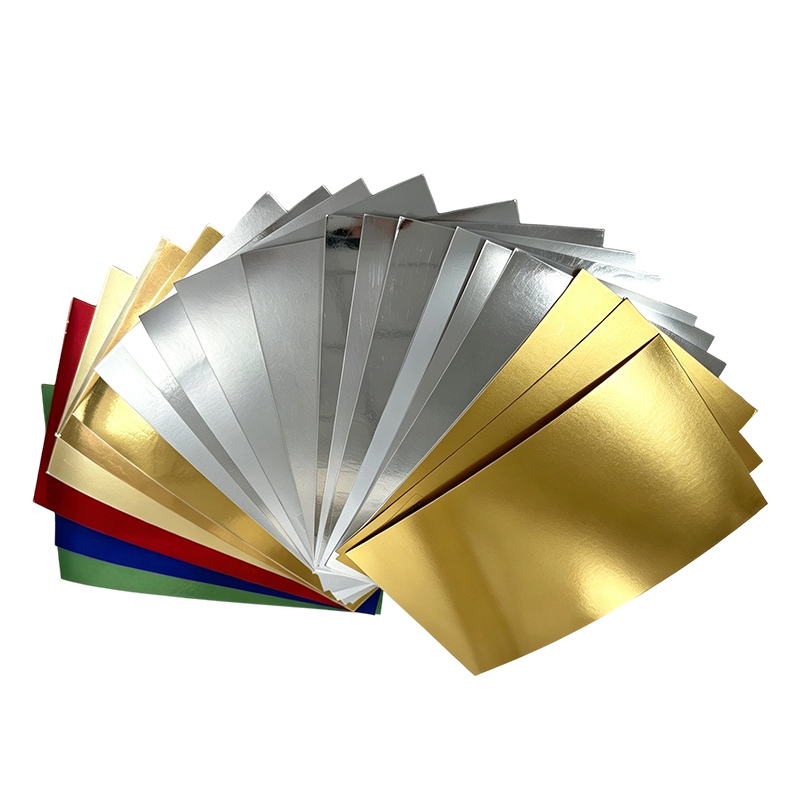
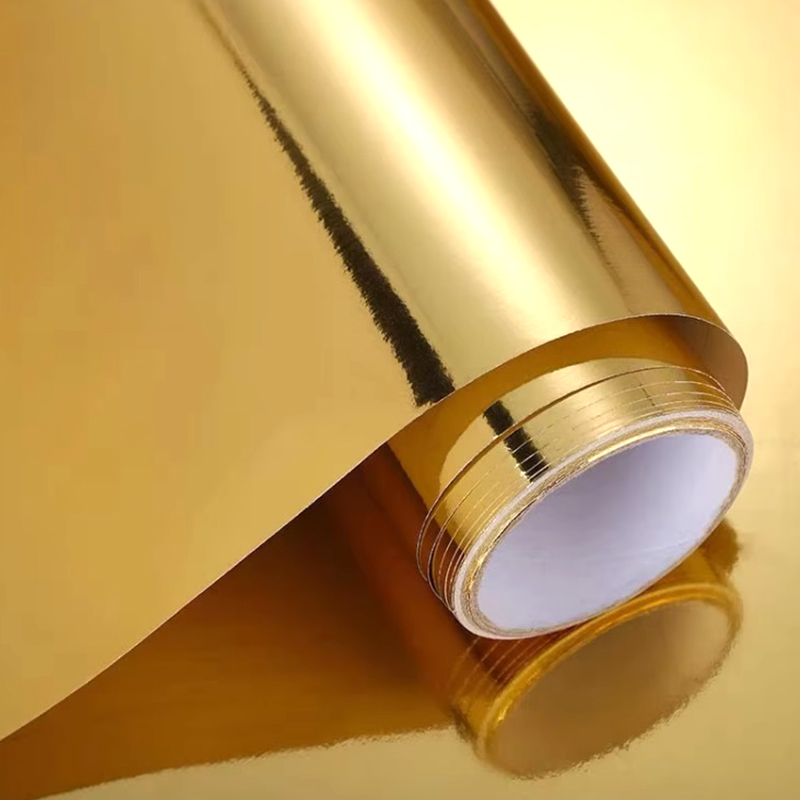
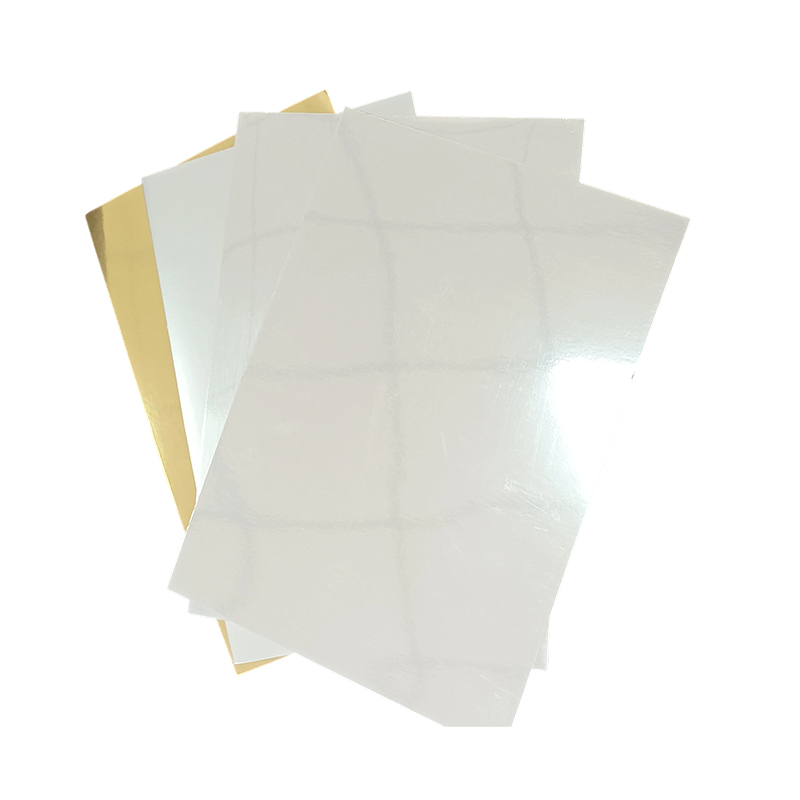
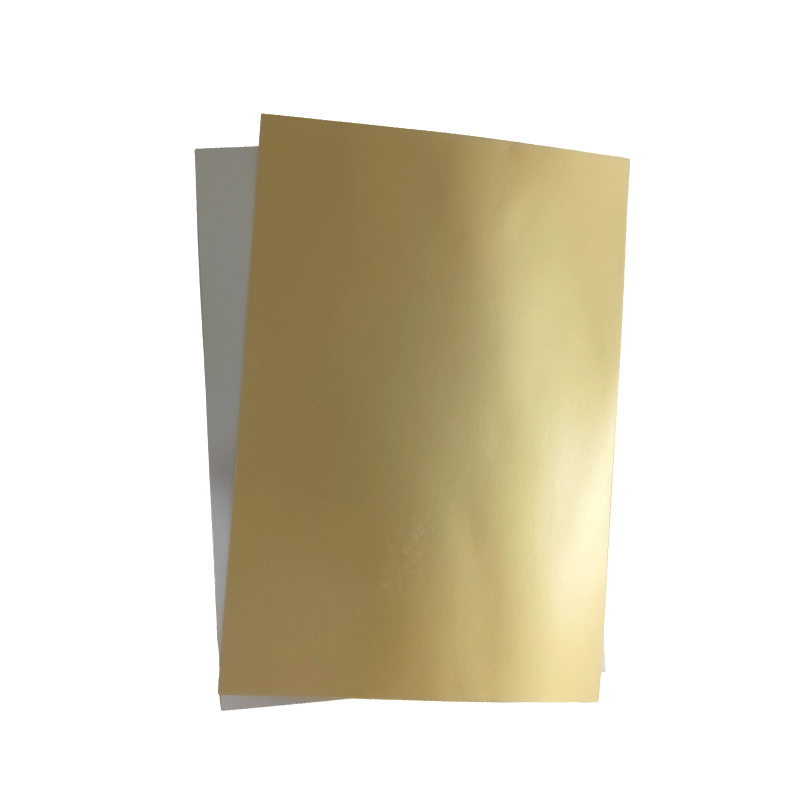
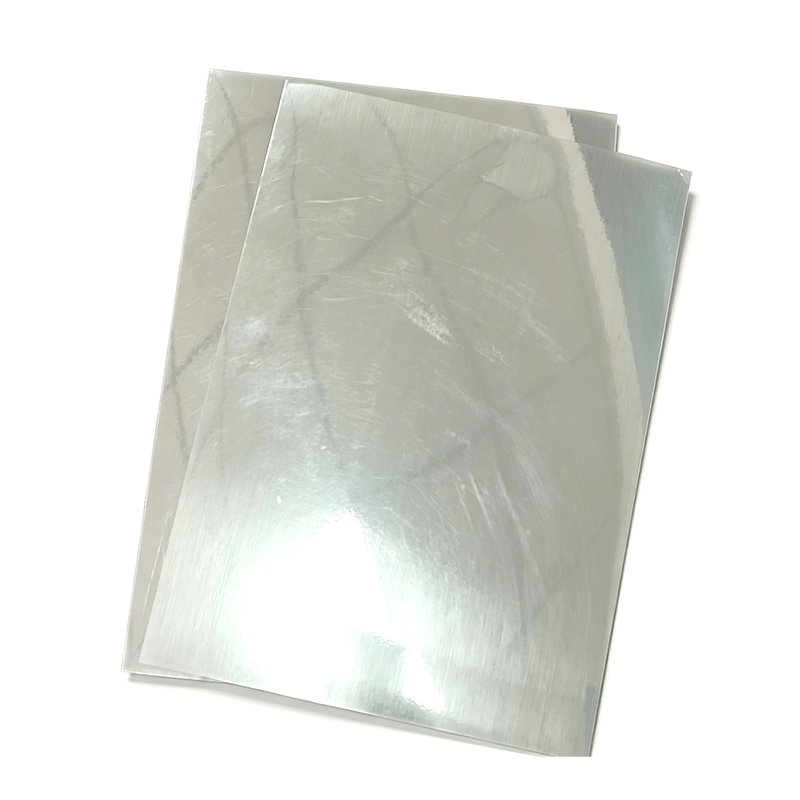
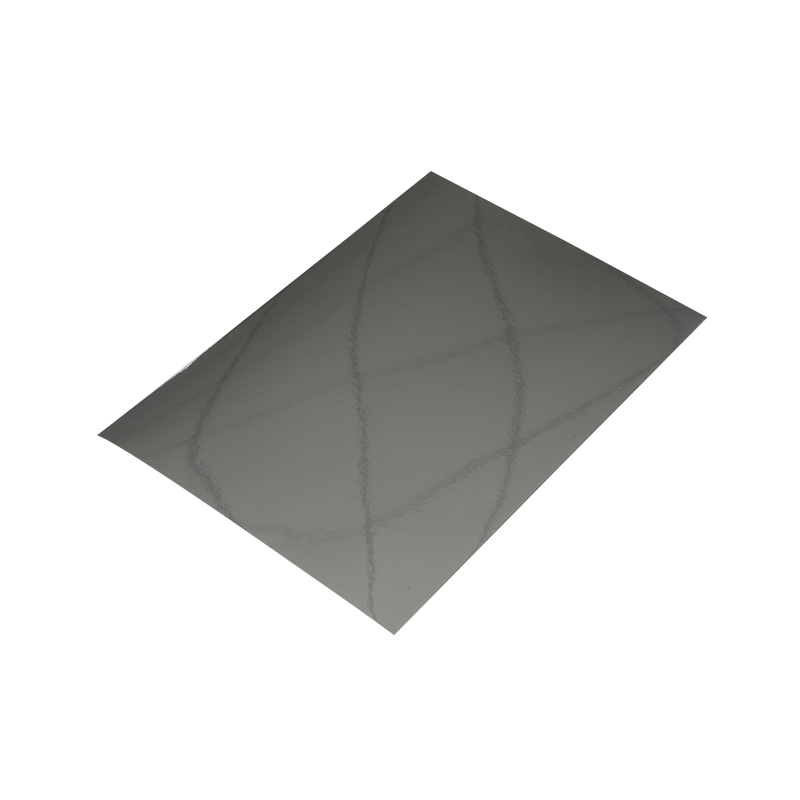
Metallic cardstock is a coated or laminated paperboard that features a reflective or pearlescent surface. The metallic effect is achieved through specialized pigments or film layers applied during manufacturing.
Unlike standard coated paper, metallic cardstock reflects light at different angles, creating depth and visual variation that enhances printed graphics.
Common Finish Types
- Pearlescent finish with soft shimmer
- Mirror metallic surface with high reflectivity
- Brushed metal texture for industrial aesthetics
- Satin metallic finish for subtle reflection
Material Structure and Technical Properties
The structure of metallic cardstock directly affects its performance in printing and converting processes. It typically consists of a paper base combined with a metallic coating or laminated layer.
| Property | Range | Impact |
|---|---|---|
| Basis weight | 250 to 400 gsm | Defines rigidity and thickness |
| Surface coating | Metallic pigment or film | Determines reflectivity |
| Thickness | 0.3 to 0.6 mm | Affects folding and cutting |
| Surface smoothness | High | Improves print quality |
The combination of these properties ensures stable feeding during printing and precise die cutting in post processing.
Printing Compatibility and Techniques
Printing on metallic cardstock requires specific techniques due to its non absorbent and reflective surface. Standard inks may not achieve optimal adhesion without adjustment.
Recommended Printing Methods
- UV printing for strong ink adhesion and fast curing
- Offset printing with oxidation drying inks
- Digital printing for short runs and customization
- Screen printing for thick ink layers and special effects
For best results, designers often use darker colors or high contrast designs to maximize visibility on reflective surfaces.
Applications in Packaging and Design
Metallic cardstock is widely used across industries where visual presentation directly influences purchasing decisions.
- Luxury product packaging such as cosmetics and perfumes
- High end invitation cards and greeting cards
- Branding materials including business cards and tags
- Retail display packaging for premium goods
In retail environments, packaging with metallic finishes can increase perceived product value by up to 30 percent based on consumer studies, making it a practical choice for brand positioning.
Advantages Compared to Standard Cardstock
Metallic cardstock offers several functional and visual advantages over traditional paperboard materials.
Key Benefits
- Enhanced visual appeal through reflective surfaces
- Improved durability due to coated structure
- Better resistance to moisture and handling
- Reduced need for additional finishing processes
These advantages contribute to lower overall production complexity while achieving a premium appearance.
Processing Considerations and Limitations
Despite its benefits, metallic cardstock requires careful handling during converting processes.
Key Considerations
- Surface scratching risk during transport and processing
- Higher cost compared to standard cardstock
- Ink adhesion challenges without proper printing method
- Cracking risk during folding if not pre scored
Proper equipment setup and material selection can minimize these issues and ensure consistent output quality.
How to Select the Right Metallic Cardstock
Choosing the correct metallic cardstock depends on the application, printing method, and desired visual effect.
Selection Criteria
- Required thickness based on structural needs
- Surface finish aligned with design intent
- Compatibility with printing technology
- Cost considerations based on production scale
A well selected material ensures consistent processing performance and a strong visual result in the final product.