English
  Español
  عربى
عربى 

Industry News
Content
- 1 The Core Material Defines Your Entire Workflow
- 2 Weight and Caliper Specifications for Paper-Based Metallic Cardstock
- 3 Laser Printer Compatibility and Toner Adhesion
- 4 Cutting and Scoring Methods That Prevent Edge Cracking
- 5 Inkjet Printing Limitations and Workarounds
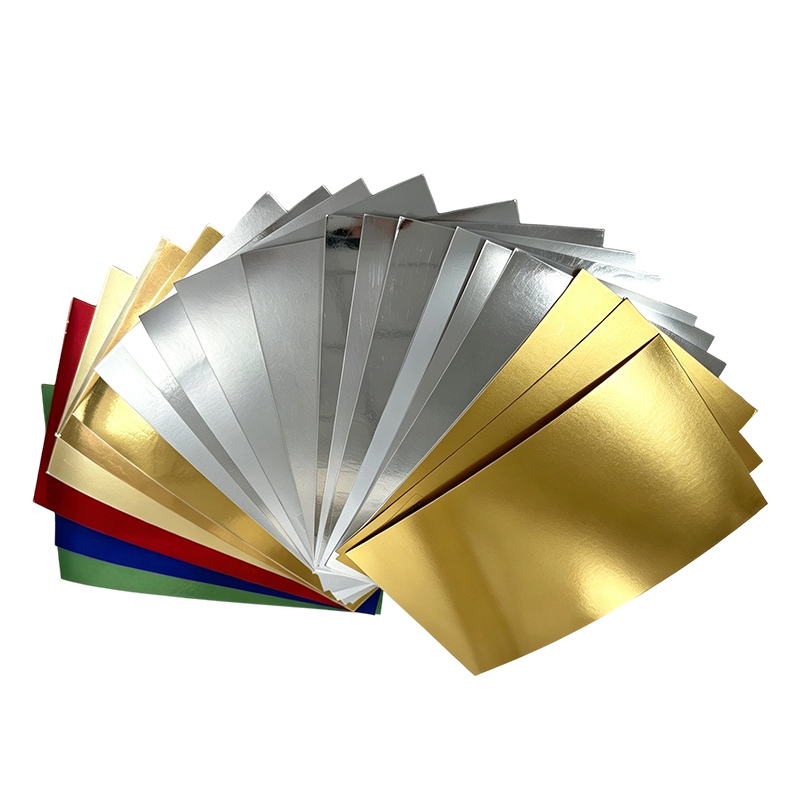
- 6 Color Selection and Visual Impact Under Different Lighting
- 7 Storage and Shelf Life to Prevent Warping and Dulling
The most critical distinction in metallic cardstock is the core material: a paper-based sheet with a metallic foil laminate versus a solid Mylar polyester sheet. For most crafting and printing applications, a 12-point paper-based metallic cardstock with a weight of 250 to 300 gsm offers the best balance of laser printer compatibility and dimensional stability, while solid Mylar sheets are exclusively suited for die-cutting and thermal embossing where the material must not absorb any moisture or toner.
The Core Material Defines Your Entire Workflow
All metallic cardstock is not created equal. The substrate determines which tools, printers, and techniques can be used. The table below separates the two fundamental product categories that are often confused under the same name.
| Property | Paper-Based Metallic Cardstock | Solid Mylar Polyester Sheet |
|---|---|---|
| Typical Thickness | 10pt to 14pt (250 to 320 gsm) | 7.5pt to 15pt (200 to 400 microns) |
| Laser Printer Safe | Yes, with fuser temperature under 190 degrees C | No, will melt and damage the printer |
| Ideal Cutting Method | Electronic die cutter or guillotine | Steel-rule die or heavy-duty rotary trimmer |
| Embossing Capability | Moderate, can crack if too dry | Excellent, permanently holds shape |
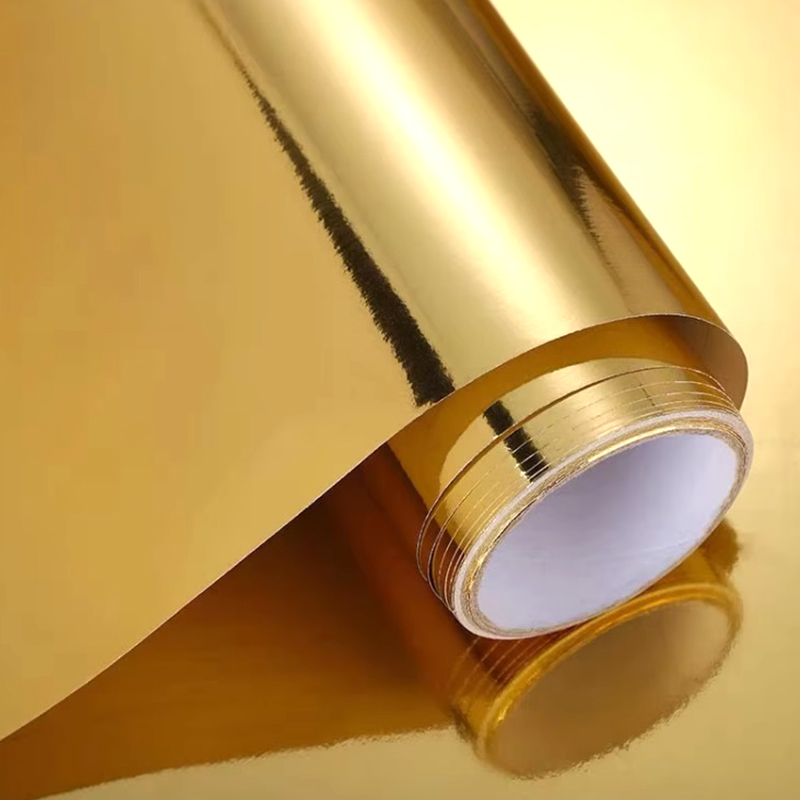
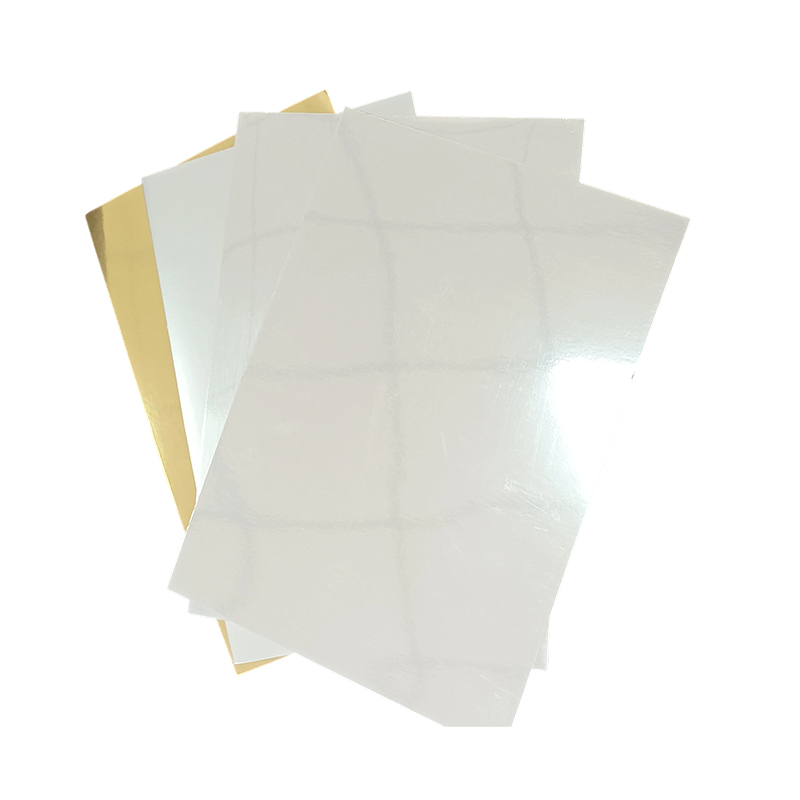
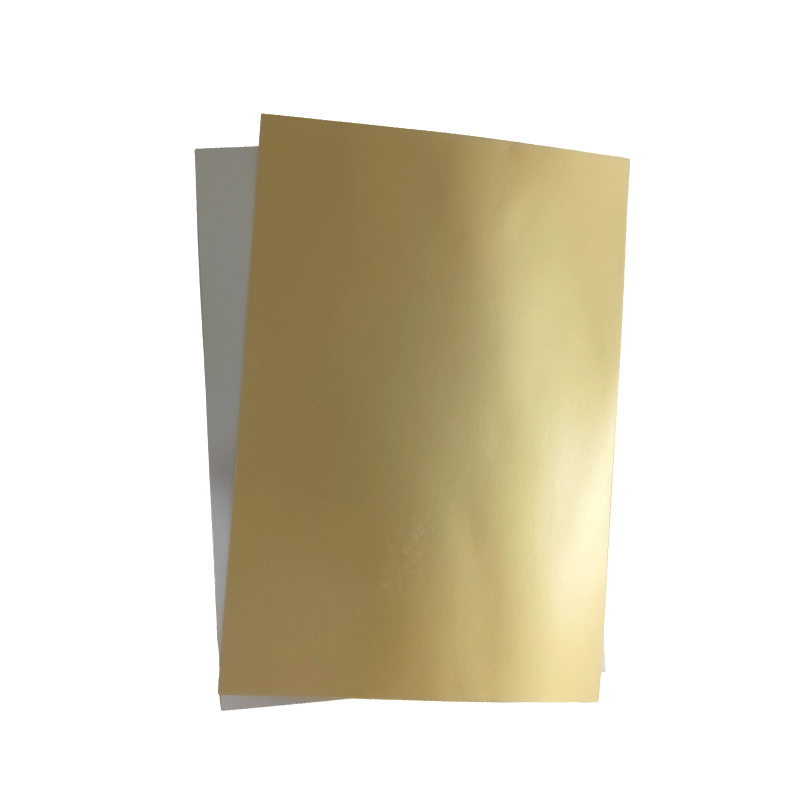
A paper-based metallic cardstock consists of a coated paper core with a thin metallic foil laminate on one or both sides. The paper core absorbs toner and allows the sheet to pass through a laser printer's fuser without melting. In contrast, a solid Mylar sheet is pure polyester with a vapor-deposited metallic layer. It is completely impervious to moisture and toner, making it the standard choice for industrial nameplates and labels that must survive outdoor exposure for years.

Weight and Caliper Specifications for Paper-Based Metallic Cardstock
The weight of a metallic cardstock directly controls its stiffness and how it feeds through a printer. The most common specifications found in retail packs and wholesale lots are standardized around the cardstock weight system used in North America.
- 10pt (250 gsm): The lightest weight suitable for laser printers. It feeds reliably but may curl at the edges if the fuser temperature exceeds 190 degrees C. Best for invitations with a single fold.
- 12pt (285 gsm): The standard for wedding invitations and business cards. A 12pt metallic cardstock has enough body to stand upright in a place card holder without bending, and it still passes through most home-office laser printers without jamming.
- 14pt (320 gsm): The upper limit for most consumer-grade printers. At this weight, the metallic cardstock must be fed through a manual bypass tray. It provides a substantial, luxury feel and will not show adhesive bleed-through from glue dots or tape.
- 16pt and above: Requires a commercial flatbed printer or a letterpress. These heavy sheets are used for ultra-premium packaging and can be foil stamped with a heated die.
Laser Printer Compatibility and Toner Adhesion
The single largest point of failure with metallic cardstock is poor toner adhesion. The metallic foil surface is non-porous, unlike uncoated paper. Toner sits on top of the foil and must be fused with heat and pressure. The critical parameter is the fuser temperature. A fuser that operates at 180 to 190 degrees C is ideal for a paper-based metallic cardstock. At this temperature, the toner melts and bonds to the foil surface without blistering the laminate.
If the fuser runs cooler, around 160 degrees C, the toner will not fully fuse and can be scratched off with a fingernail. If the fuser exceeds 200 degrees C, the polyethylene layer between the paper core and the foil can soften, causing the sheet to curl into a tight tube as it exits the printer. Always test a single sheet of metallic cardstock before committing to a full print run, and set the printer media type to Heavy or Cardstock to slow the feed speed and increase dwell time in the fuser.
Cutting and Scoring Methods That Prevent Edge Cracking
The foil layer on a metallic cardstock is brittle compared to the paper core. When cut with a dull blade, the foil tears instead of shearing, leaving a ragged white edge that exposes the paper core and ruins the premium look. A sharp, carbide-tipped guillotine blade or a fresh rotary blade in an electronic die cutter such as a Silhouette or Cricut is mandatory. The blade depth should be set to cut through the foil layer and the paper core in a single pass with a cutting pressure of 180 to 210 gf for a 12pt sheet.
For folding, metallic cardstock must be scored before bending. A fold made without a score line will crack the foil and create a ragged white line along the fold. A scoring stylus or a blunt-tip scoring wheel should compress a channel approximately 0.5 mm wide into the sheet without cutting through the foil. The fold must always be made away from the score, compressing the paper core into the channel. Folding toward the score stretches the foil and causes cracking even on a scored sheet.
Inkjet Printing Limitations and Workarounds
Standard dye-based inkjet inks will not dry on the non-porous surface of a metallic cardstock. The ink beads up and smears even after hours of drying time. Pigment-based inks fare slightly better but still require a coated stock specifically labeled as inkjet-compatible metallic paper. These specialty sheets have a microporous receptor coating applied over the metallic foil that absorbs the liquid ink.
If an inkjet printer is the only available option, a printable metallic cardstock with an inkjet coating must be used. After printing, the sheet should be allowed to dry for at least 15 minutes before handling. A light coat of clear acrylic sealer spray can lock in the ink and add a layer of UV protection, preventing the colors from fading when the printed piece is displayed in direct sunlight.
Color Selection and Visual Impact Under Different Lighting
The metallic finish on a metallic cardstock reflects light directionally, which changes the perceived color and contrast of any printed design. Dark colors printed on a silver metallic cardstock gain a shimmer effect but lose legibility at small font sizes below 8 points. White ink or toner printed on gold metallic cardstock creates an elegant, subtle watermark effect, but the white must be printed as a solid flood coat, not as fine detail, because the metallic reflection overwhelms thin lines.
For maximum contrast and readability on metallic cardstock, black toner printed at 100 percent density provides the clearest result. A design that leaves large areas of the metallic foil exposed, combined with bold, simple typography, uses the reflective property of the material as a design element rather than fighting against it. This approach is the standard for high-end wedding invitations and gala event materials, where the foil itself becomes the background.
Storage and Shelf Life to Prevent Warping and Dulling
Improper storage of metallic cardstock leads to warped sheets that jam printers and creased foil that cannot be used for client work. The paper core is hygroscopic and absorbs moisture from the air, while the foil layer does not. This differential expansion causes the sheet to curl with the foil side on the outside of the curve. To prevent this, the stock must be stored flat in a sealed plastic bag with a desiccant pack when not in use. The storage area should maintain a relative humidity between 35 and 50 percent and a temperature below 25 degrees C.
Even with proper storage, a pack of metallic cardstock has a practical shelf life. The adhesive that bonds the foil laminate to the paper core can degrade over time, especially if exposed to heat. After approximately 3 years of storage at room temperature, the foil on older stock may begin to delaminate at the edges when cut. Fresh stock from a high-turnover supplier like goldsilvercardstock.com ensures that the adhesive bond is at full strength and the sheets are perfectly flat and ready for production.