English
  Español
  عربى
عربى
Home / News / Industry News / Metallic Cardstock: Types, Weights, Printing Tips & Craft Applications
Industry News


Content
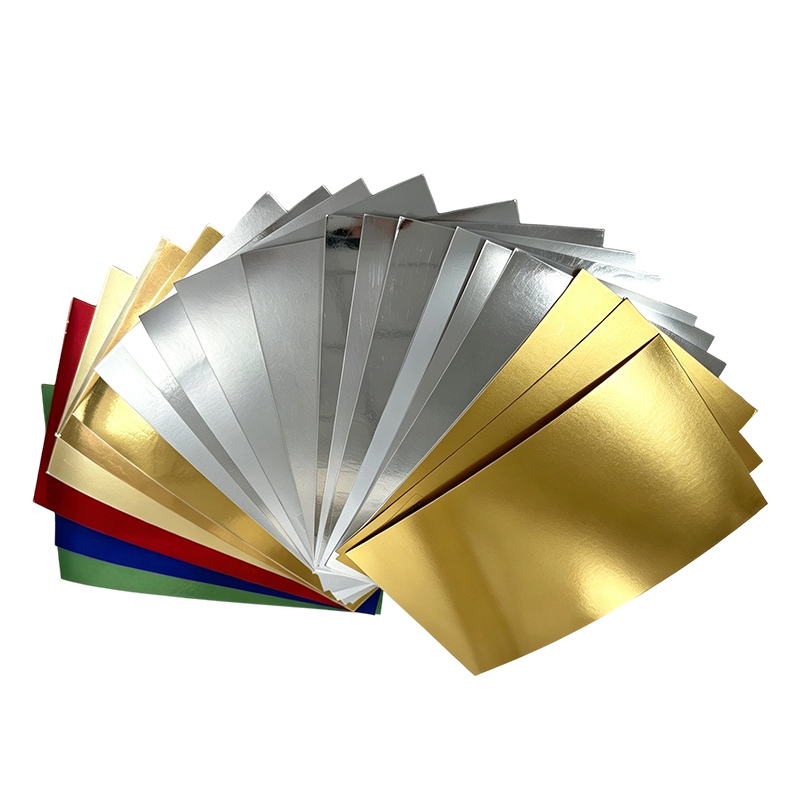
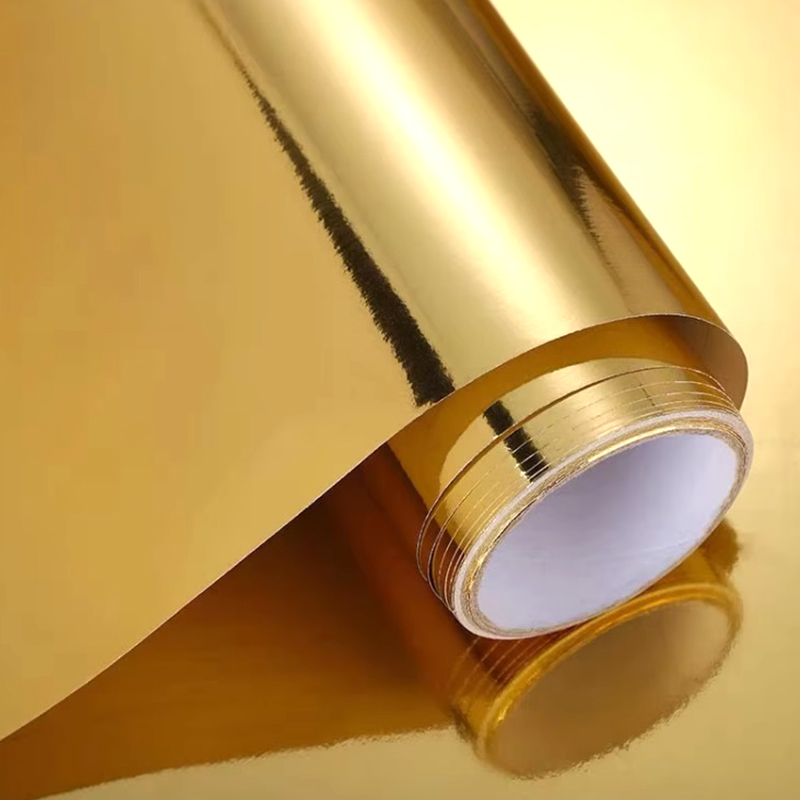
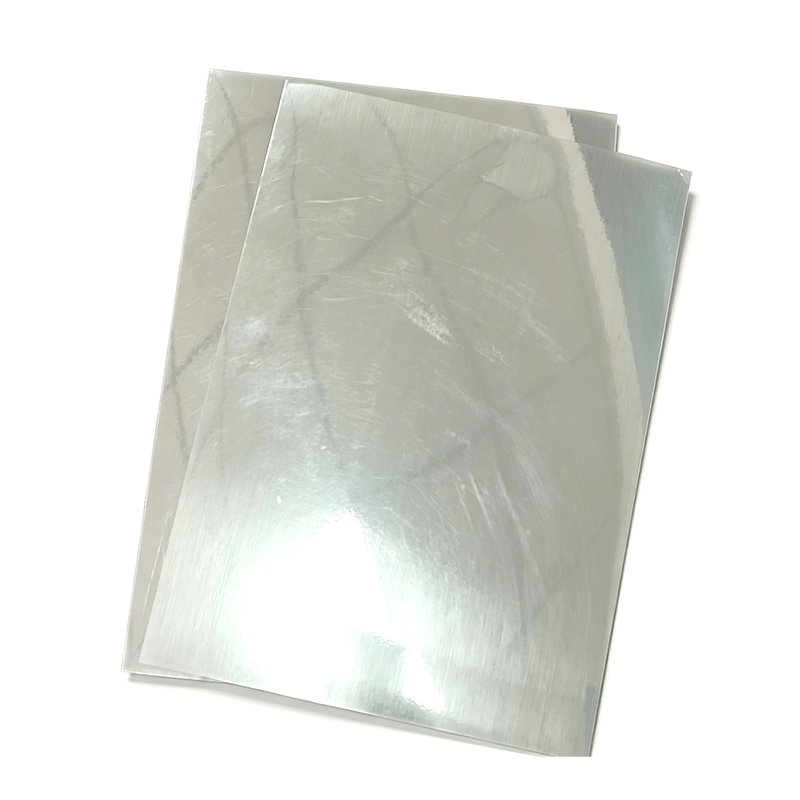
Metallic cardstock is a heavyweight paper product with a reflective, shimmering surface that mimics the appearance of metal foil. It is used across a wide range of applications — invitations, greeting cards, scrapbooking, packaging, business stationery, and craft projects — wherever a premium, light-catching finish is needed that plain cardstock cannot provide.
The metallic effect is achieved through one of three manufacturing methods, each producing a different surface character and performance profile:
The substrate beneath the metallic surface is typically a wood pulp board or a cotton-content card, and its quality determines the structural performance of the finished sheet — rigidity, fold cracking resistance, and long-term stability — independent of the metallic surface treatment.
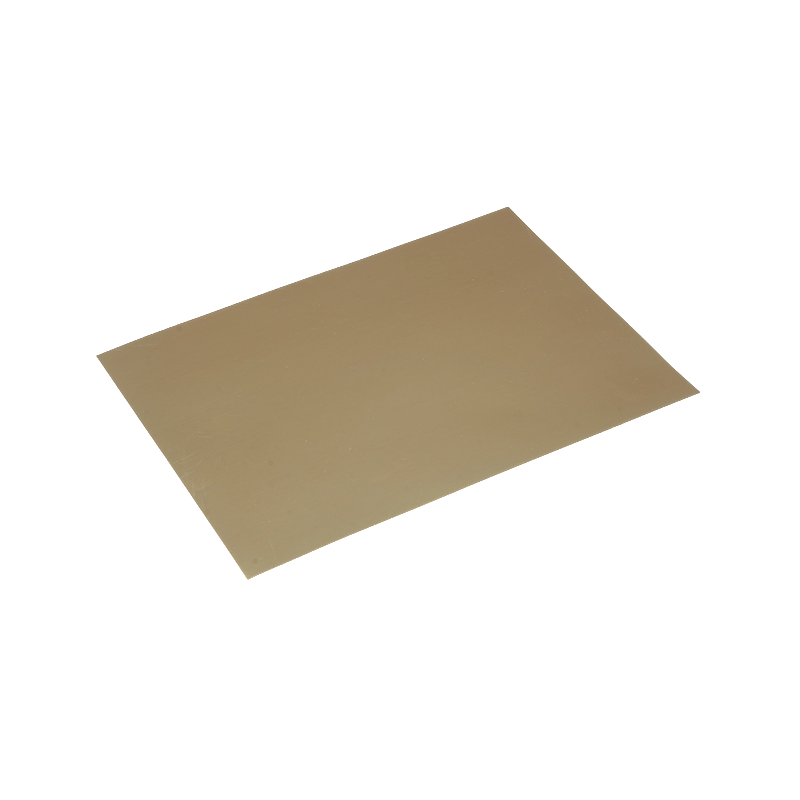
Cardstock weight is expressed in grams per square meter (gsm) in most of the world, or in pounds (lb) cover stock in the United States. Metallic cardstock is available across a broad weight range, and selecting the right weight for the application directly affects how the finished piece looks, handles, and folds.
| Weight (gsm) | US Equivalent | Typical Use | Fold Behavior |
|---|---|---|---|
| 120–160 gsm | 65–80 lb cover | Scrapbooking, card inserts, origami | Folds cleanly; score recommended for foil types |
| 200–250 gsm | 90–110 lb cover | Greeting cards, invitations, table cards | Score before folding; foil may crack without scoring |
| 300–350 gsm | 130–160 lb cover | Business cards, luxury packaging, signage | Not suitable for folding without specialized equipment |
For wedding invitations and formal stationery, 250–300 gsm is the widely accepted standard weight that communicates quality without being impractical to fold or mail. Lighter weights below 160 gsm are better suited to craft and scrapbook applications where folding is frequent. Heavier stocks above 300 gsm are primarily used for flat applications — business cards, gift tags, luxury retail packaging — where folding is not required.
The color range available in metallic cardstock has expanded significantly beyond the classic gold and silver. Contemporary ranges typically include:
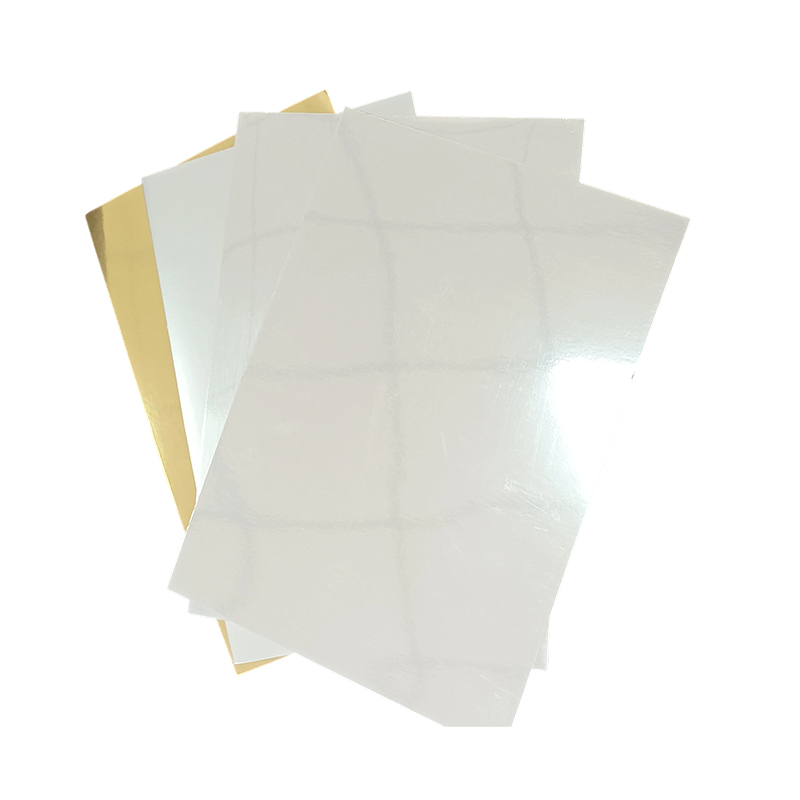
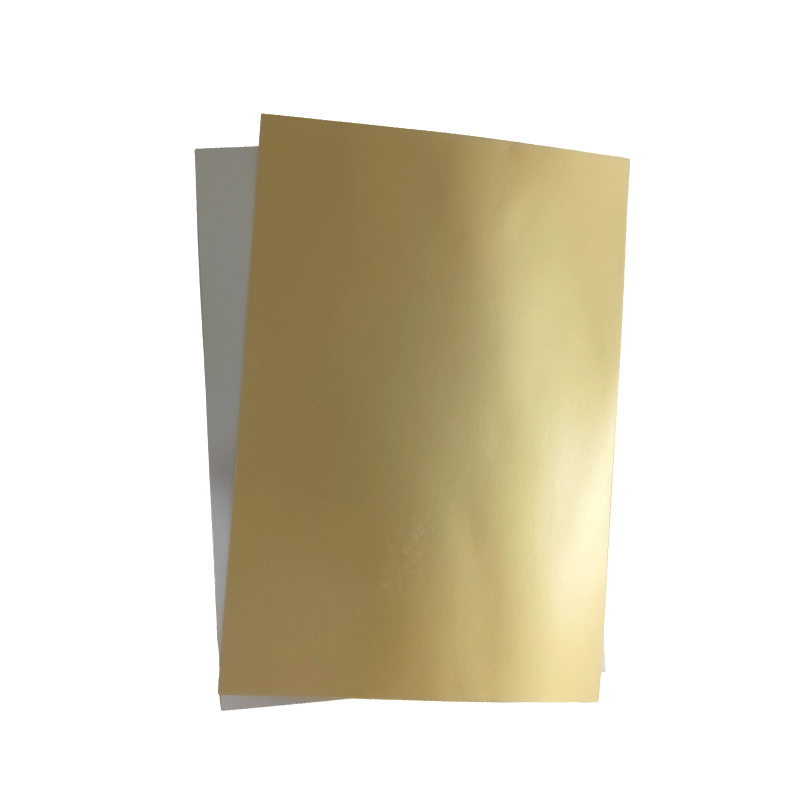
Surface finish also varies between single-sided and double-sided metallic stock. Single-sided metallic — metallic on the front, plain white or kraft on the reverse — is the most common format and is significantly easier to print on the reverse side. Double-sided metallic stock is available for applications where both sides will be visible, such as folded cards, origami, and cut-paper decorations, but the reverse metallic surface requires the same printing considerations as the front.
Printing on metallic cardstock is one of the most common points of frustration for crafters and small print shops alike. The reflective surface behaves very differently from standard uncoated or matte coated cardstock, and the results with inkjet and laser printers vary considerably depending on the cardstock type and printer settings.
Inkjet printing on metallic cardstock works best on coated metallic stock (pigment-coated rather than foil-laminated). The coating provides a surface that accepts aqueous ink without excessive beading. Common problems include slow drying times (the non-absorbent metallic surface does not wick ink away from the surface the way uncoated paper does), smearing if sheets are handled immediately after printing, and ink sitting proud of the surface with a visible sheen that reads differently from the metallic background.
Practical fixes: use a printer setting of "photo paper" or "glossy paper" to reduce ink volume per pass; allow printed sheets to dry flat for at least 15–30 minutes before stacking; and test with a single sheet before running a full print job, as ink adhesion varies significantly between metallic cardstock brands. True foil-laminated stock with a polyester surface is largely incompatible with standard inkjet printing — ink will not bond to the plastic surface and will smear indefinitely.
Laser printing fuses toner to the surface using heat. On coated metallic cardstock, laser printing generally produces sharper results than inkjet with no drying wait time. However, two risks must be managed: first, some metallic cardstocks contain materials or coatings that can melt, stick to the fuser roller, or release fumes inside the printer at laser fuser temperatures (typically 180–200 °C) — always verify that the cardstock is rated as laser-compatible before feeding it through a laser printer; second, heavier stocks above 200 gsm may jam on paper path rollers designed for lighter media, and should be fed through the manual or straight-through paper path if the printer provides one.
For high-volume or quality-critical applications, UV offset printing or digital offset (e.g., HP Indigo) on metallic substrates produces results that home inkjet and laser printing cannot match. UV inks cure by ultraviolet light rather than absorption or heat, meaning they bond reliably to non-absorbent metallic surfaces with precise color fidelity. Foil stamping — applying a separate metallic foil to specific design elements over a printed or plain substrate — is the premium alternative to metallic cardstock for luxury stationery, combining a regular print substrate with localized metallic effect exactly where the design requires it.
Metallic cardstock — especially foil-laminated grades — requires more careful handling during cutting and folding than standard cardstock. The foil layer is inelastic: it does not stretch during folding the way paper fiber does, which means that without proper scoring, the foil cracks along any fold line and creates a white or raw-paper crease mark that is highly visible against the reflective surface.
Always score before folding metallic cardstock at 200 gsm or heavier. Scoring compresses the paper fibers along the fold line before bending, creating a controlled crease that the foil can follow without cracking. Use a bone folder and a metal ruler for manual scoring, or a dedicated scoring tool (such as those made for Cricut or Silhouette cutting systems) for precision work. Score on the outside of the fold — the surface that will be on the outside of the finished crease — so the foil compresses rather than stretches.
For die-cutting and precision craft cutting with machines such as Cricut Explore, Silhouette Cameo, or similar vinyl and paper cutters, metallic cardstock generally requires a higher blade pressure setting and a slower cut speed than plain cardstock of equivalent weight. The foil or metallic coating layer adds cutting resistance. A fresh blade is recommended for clean cuts on metallic stock — a worn blade drags the foil rather than cutting through it cleanly, producing a ragged edge with lifted foil.
When cutting by hand with scissors or a craft knife, use a single firm pass rather than multiple light passes. Multiple passes on foil-laminated stock progressively delaminate the foil from the paper edge, producing a layered, peeling appearance at the cut edge that is difficult to correct without trimming further into the sheet.
The reflective surface of metallic cardstock performs differently depending on the lighting environment and the design context. Understanding where it adds genuine value — and where it can work against the design — guides more effective material selection.
Wedding and event stationery is the single largest application. Gold and silver metallic cardstock for invitation suites, save-the-dates, menu cards, and escort cards signals luxury through the material itself. The reflective surface photographs particularly well under warm event lighting, making metallic stationery elements a consistent choice in event design. Rose gold metallic cardstock has been the dominant trend in this category for the past several years, reflecting broader trends in decorative metallic finishes in interior design and fashion.
Retail and luxury packaging uses metallic cardstock for gift boxes, shopping bags, swing tags, and product cards where shelf presence and perceived premium quality are commercial objectives. Metallic packaging stock is typically heavier (300–400 gsm) and may incorporate additional surface treatments such as soft-touch lamination over the reverse side for grip, or spot UV varnish on specific design elements to add contrast.
Craft and scrapbooking applications use metallic cardstock primarily in lighter weights (120–160 gsm) for backgrounds, die-cut shapes, borders, and layered elements in mixed-media projects. Silver and gold metallic cardstock as background layers in scrapbook layouts add depth and visual interest under photographs without competing with the image content.
Business cards and corporate stationery on metallic substrates make an immediate tactile and visual impression at networking events. Black ink on silver metallic stock, white ink on black metallic stock, or embossed designs on gold stock are the most commercially common combinations for premium business card applications. The key constraint is that metallic business cards are heavier and sometimes slightly larger in caliper than standard cards, which can require larger card holders or wallets.